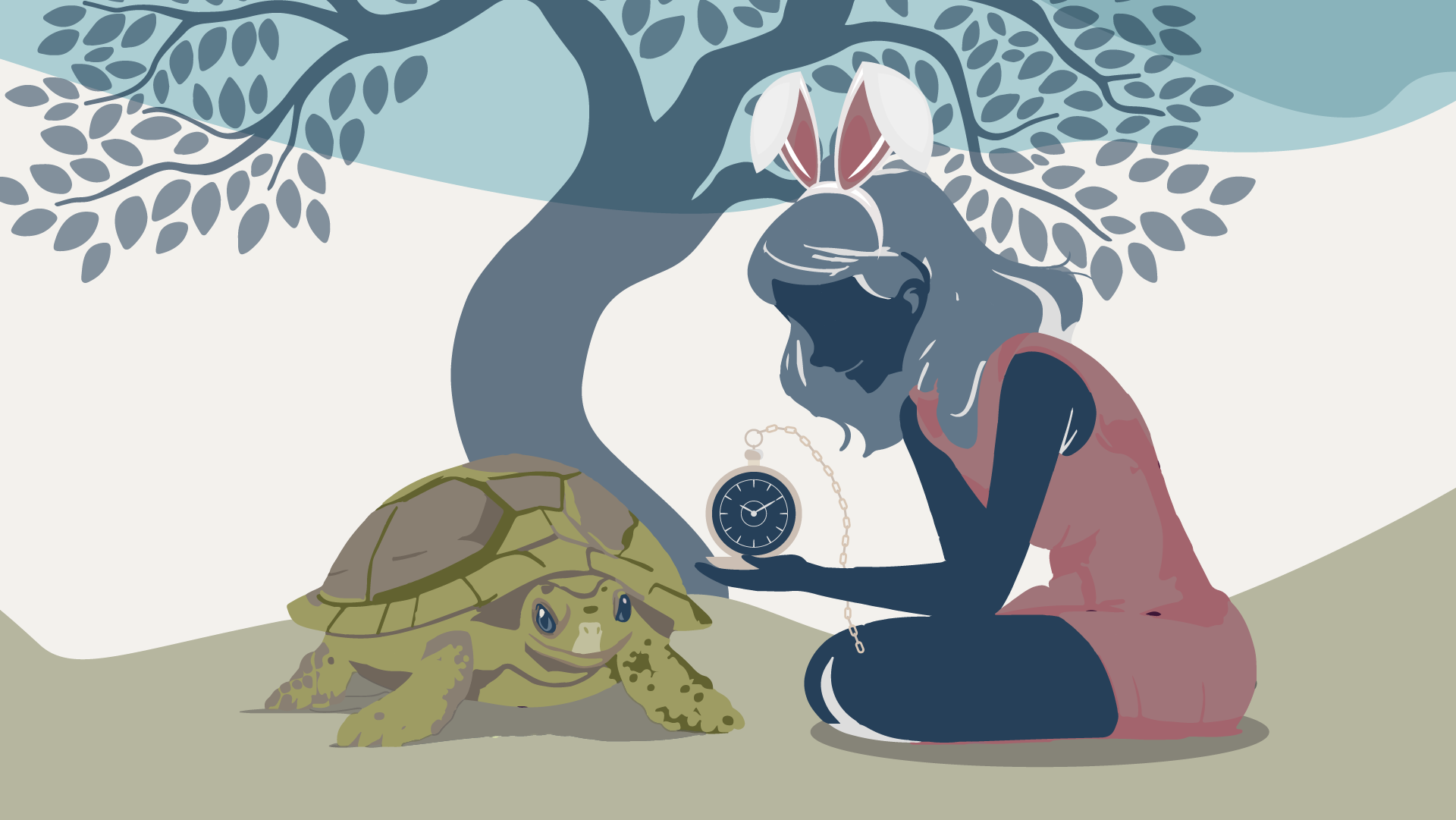
“Once in a while, I catch myself wondering whether I would have found the courage to write if I had not started to write when I was too young to know what was good for me.” – Ama Ata Aidoo
That line, so deceptively simple, holds a radical truth: the act of writing begins precisely when we are too young to care about permission, about who “should” narrate which life, and about who is imagined as the rightful keeper of a story.
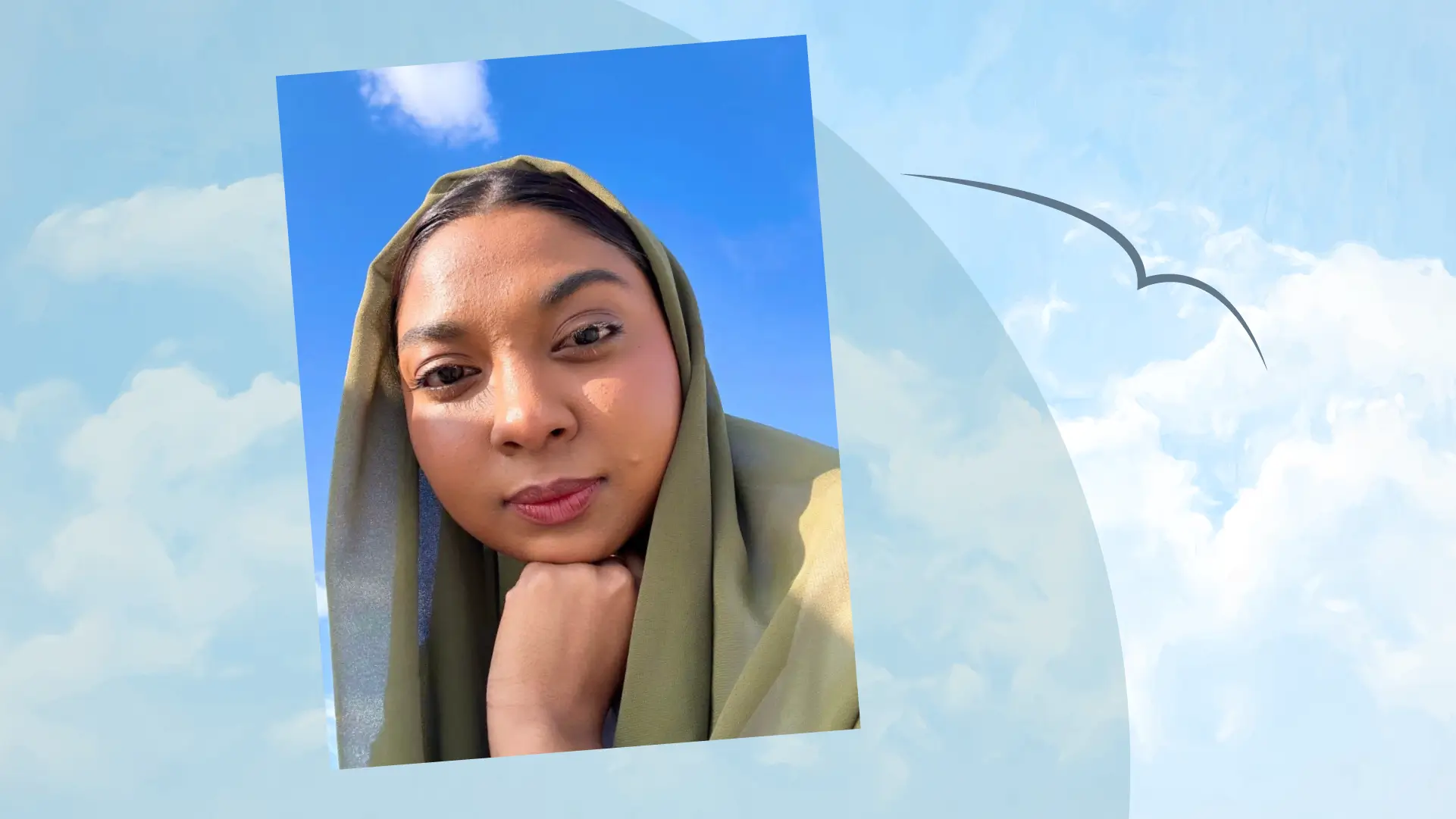
Shamillah Wilson has written feminist work for as long as she can remember: her own experiences, in conversations with others, all she’s learnt from the movements she’s worked with, and she plans to continue doing so.
This action anchors a broader claim: when Indigenous and Global Majority communities write our own stories, we are not just chronicling lives; we are reclaiming worlds.
Why self‑storytelling is political
Storytelling has never been neutral. For centuries, Indigenous and Global Majority lives have been narrated, framed, and often “saved” by outsiders: colonial administrators, anthropologists, journalists, and global NGOs, whose cameras, notebooks and funding priorities shaped what was visible and what was erased. To write our own stories is therefore an act of countering archival violence: it disrupts the pattern of being spoken about instead of speaking ourselves.
Archival violence refers to how archives, through what is collected, preserved, destroyed, or made inaccessible, actively erase, distort, or silence the histories of marginalised communities. Its consequences are not merely “missing documents”; they shape how the past is remembered, who counts as a historical subject, and whose suffering is deemed legible or worthy of witness.
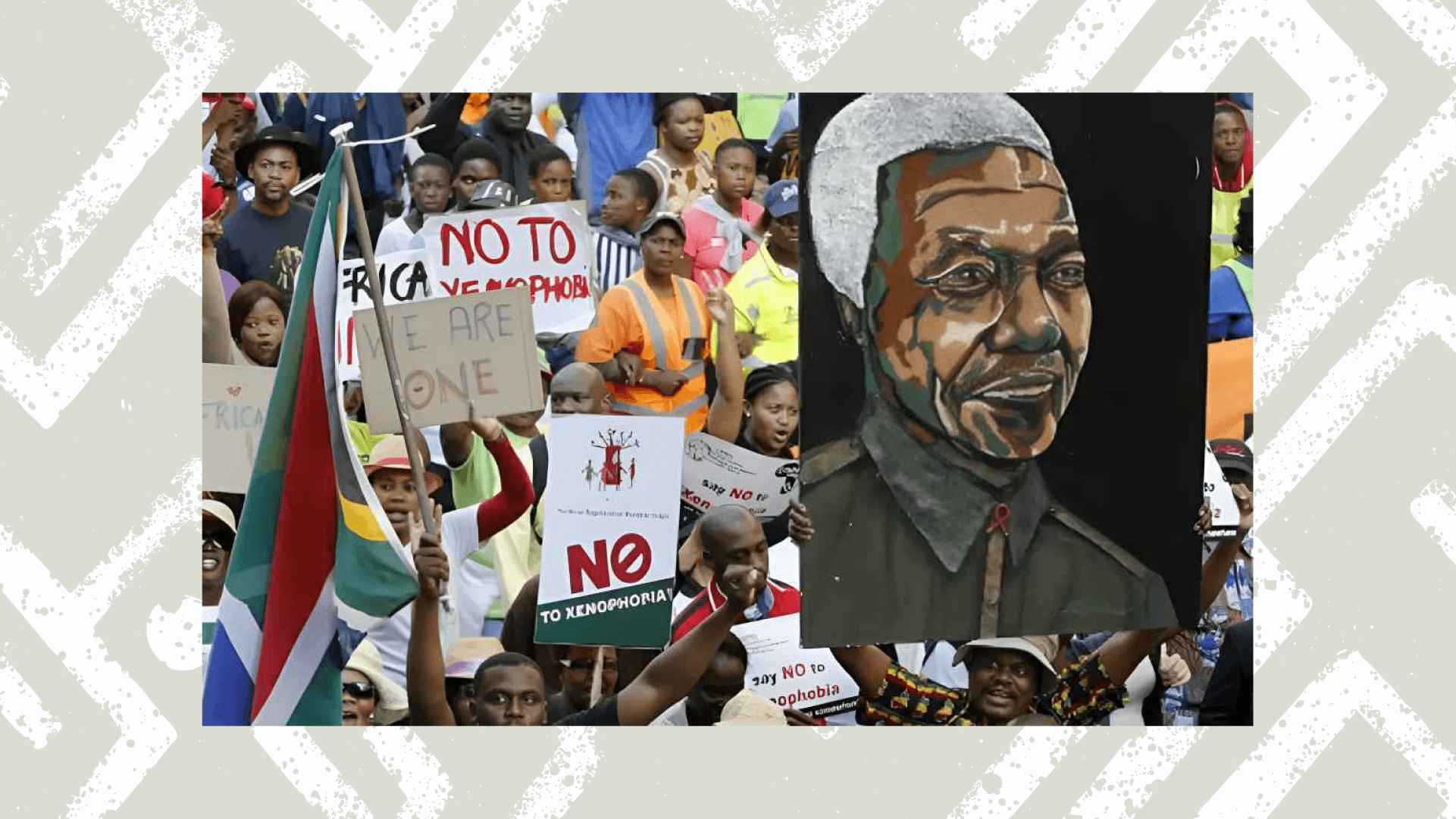
Colonial and apartheid‑era governments often burned or deliberately “migrated” records to erase evidence of violence, such as Kenya’s “migrated archives”(1) and South Africa’s destruction of around 44 tons of security‑force records in 1993.(2) These acts leave survivors without documentary proof of their own suffering, deepening a sense of psychological erasure and reinforcing the idea that their histories are not “official” enough. At the same time, mainstream repositories routinely ignore lynching documentation, transgender lives, police brutality, disability histories, and grassroots activism, treating them as “fringe” rather than central to national biography.
Without visible records, marginalised groups can be written out of “official” national narratives, making their claims to land, rights, and belonging appear ungrounded. Worse still, colonial archives ossify racist tropes of inferiority and pathology, diffusing them into wider social attitudes that abject Black and Indigenous bodies. Storytelling by Indigenous and Global Majority communities, then, becomes a direct intervention into this archive: it insists that our lives are not data to be mined, but living archives that deserve to be treated as sacred, coherent, and self‑authored.
Indigenous and Global Majority storytelling as knowledge‑making
Indigenous and Global Majority storytelling is also a form of knowledge‑making. UNESCO and health‑research scholars alike affirm that oral and written storytelling in Indigenous communities preserves ecological knowledge, histories of resistance, and relational ethics that are otherwise left out of “official” records. When Sechelt Elder Lillian Cook, Sagkeeng storyteller Sherry Copenace, and other First Nations women use digital storytelling to narrate their experiences with heart disease and breast cancer, they are not only sharing personal histories; they are generating data that Western medicine often fails to see.
Community‑based and reparative archives respond to archival violence by re-centring the voices of those most harmed: enslaved women, survivors of residential schools, Japanese‑American internees, and LGBTQ+ activists, turning them into narrators rather than footnotes. Archivists and scholars are now talking about “reparative archives” and “Black annotation” that explicitly name the violence embedded in existing holdings and work to document what was left out. These practices prioritise oral histories, rituals, and community‑generated materials that capture spiritual and relational dimensions of the past, and they create independent, community‑run archives that give marginalised groups control over how their stories are framed and accessed.
African feminist writers who wrote themselves into history
African women have long used writing to refuse the passivity of the “subject” and to insist on the authority of the author. Nigerian Flora Nwapa published Efuru in 1966, becoming the first African woman to release a novel internationally, and centring Igbo women’s lives, economic agency and spiritual insight in a genre that had long excluded them. Senegalese Mariama Bâ’s Une si longue lettre (1979) drew on her own experiences to expose patriarchal structures within post‑colonial Senegal, while positioning a woman’s letter to a friend as a legitimate form of testimony and political critique.
Ghanaian Ama Ata Aidoo, herself a towering figure in African feminist letters, wrote plays and novels that centred African women’s interiority, labour, and dissent – often at a time when male‑centred, nationalist narratives dominated the literary canon. These writers, together with others like South African Noni Jabavu and Pumla Ngozwana, literally “wrote themselves into history” by insisting that their own emotional and social worlds were not marginal, but central to national and continental memory.
Indigenous storytellers asserting their own narrative
Beyond Africa, Indigenous women across the Global Majority are doing similar work through journalism, film and community‑based storytelling. Peruvian Quechuan activist and storyteller Tarcila Rivera Zea founded Chirapaq, the Centre for Indigenous Cultures of Peru, with the explicit aim of supporting Indigenous women in documenting abuses, celebrating ceremonial life, and shaping how their communities are represented in the media. Her journey from collecting testimonies of Indigenous women raped during armed conflict to building a platform that centres their voices demonstrates how storytelling and human‑rights advocacy are inseparable.
In Turtle Island / Canada, Indigenous media maker and decolonial educator Nikki Iyolo Sanchez uses film, social media and teaching to create spaces where Indigenous and BIPOC youth can narrate their own realities, from climate injustice to the intergenerational impact of settler violence. She argues that only Indigenous and BIPOC storytellers can fully claim the right to “dictate their own narrative,” and that professional media must follow the principle of “nothing about us without us.” Similar commitments animate the Growing Indigenous Storytellers Fellowship, which trains emerging Indigenous journalists such as Anishinaabe Kwe writer Rose Jacobs, Cree/Métis Ryan Cunningham, and Julia Ross from Pinaymootang First Nation, ensuring that the next generation of storytellers hails from within the communities they depict.
Why now, and why you?
The stakes could not be higher. Climate collapse, extractive capitalism and militarised borders are disproportionately devastating Indigenous and Global Majority communities. And yet, when these crises are framed in global media, the voices most affected are often reduced to anonymous “victims” or “beneficiaries” of someone else’s project. To write your own stories is to refuse that abstraction. It is to say: I am not data, I am a living archive; my community is not a case study, it is a cosmos of meaning.
From now on, let writing be your rebellion when you feel too young, too tired, or too uncertain to know what is “good for you.” Start where Ama Ata Aidoo started: not with permission, but with scribbles in the margins, notes in a notebook, and voice notes on your phone. Begin where Flora Nwapa, Mariama Bâ, Ai Gon‑Theng Lian, and Tarcila Rivera Zea began; not waiting for an invitation from the global centre, but trusting that your reality is knowledge, your anger is data, and your joy is evidence.
Document your own histories. Write down your stories of resistance, your quiet acts of survival, your unrelenting dreams. Then, share them: with your families, your friends, your feminist collectives, your Indigenous cultural centres, and the South‑South networks that understand what you mean when you say “home.” Let Postscripts become a living Global‑Majority archive of courage: not just a newsletter you read, but a place where your words join a collective testimony that Ama Ata Aidoo would recognise, and that you are already helping to build.
Write your story. Share it. Keep the archive alive.
References
(1) “Kenya’s “migrated archives” are a vast collection of classified and sensitive colonial documents secretly removed by the British administration before the country’s independence in 1963. Hidden in the UK for decades, they came to light during a 2011 high court lawsuit, revealing systemic abuses during the Mau Mau rebellion. [1, 2]”
(2) “In 1993, the outgoing National Party government (in South Africa) secretly sanctioned the mass destruction of 44 tons of security-force documents and films. State security, police, and military agencies burned the records in industrial furnaces. This deliberate purge aimed to destroy incriminating evidence and prevent a new democratic government from accessing apartheid secrets. [1, 2]”