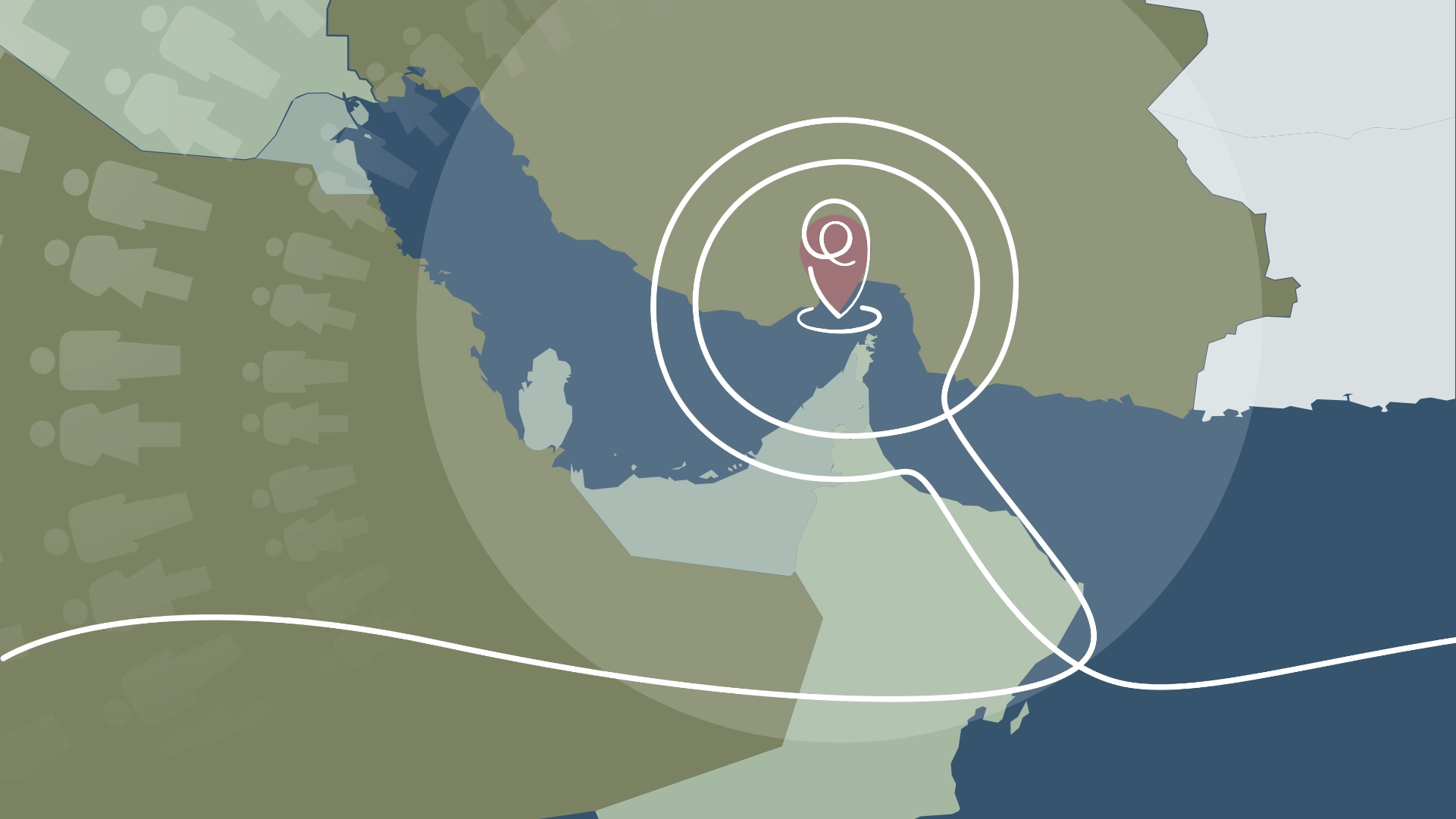
Saudi Arabia is confronting the heavy price it will pay for hosting the United States’ largest military footprint in West Asia. Being a US ally does not guarantee protection when its own security is directly threatened. Ansar Allah’s (more commonly known as the Houthis) strikes near Riyadh, including an apparent attack close to King Khalid International Airport, have exposed the limits of Riyadh’s dependence on Washington at precisely the moment it needs allies most.
For years, Saudi Arabia has served as a central hub for US forces in the region, hosting bases, intelligence infrastructure and logistics networks that underpin American power projection across West Asia. That arrangement has long been presented as mutual deterrence: US presence in exchange for Saudi alignment with Washington’s regional priorities. But Yemen’s current escalation suggests the bargain is far more asymmetric than Riyadh may have assumed.
A war reignited
The latest crisis follows the collapse of the relative calm that had held since the 2022 UN-brokered truce. Tensions escalated in July after Saudi-backed forces were accused of striking Sanaa International Airport in Yemen. Ansar Allah retaliated, then intensified missile and drone attacks on Saudi territory, infrastructure and shipping routes.
Since then, Ansar Allah has made rapid gains along Yemen’s western coast and pressured Saudi-backed forces near the Red Sea, while also striking targets inside the kingdom. The reported attack near Riyadh’s airport, where smoke and fire were visible, marked a significant symbolic and strategic escalation, bringing the conflict directly to the Saudi capital.
Washington’s calculated silence
Crown Prince Mohammed bin Salman reportedly appealed directly to President Donald Trump for US strikes against Ansar Allah as the group advanced. Washington declined to intervene militarily, offering instead intelligence-sharing and targeting assistance.
The refusal is not accidental. US officials have been engaged in contacts with Ansar Allah representatives in Oman, reportedly seeking assurances over Red Sea shipping and seeking to avoid a wider regional escalation while Washington remains focused on Iran. In practice, that means the US can preserve its strategic priorities while leaving Saudi Arabia to absorb the immediate military and political consequences.
The cost of dependency
Saudi Arabia’s dilemma is structural. While its security relationship with the US gives it advanced weapons, intelligence cooperation and diplomatic leverage, it also ties Riyadh to American vested interests that may not coincide with Saudi interests. Washington’s decision not to strike Ansar Allah, despite Saudi appeals, demonstrates that bases and partnerships do not translate automatically into battlefield protection.
The implications extend beyond Yemen. If Ansar Allah can strike Riyadh, disrupt Red Sea commerce, and advance against Saudi-aligned forces while the US limits itself to intelligence support, then Riyadh’s deterrence posture looks increasingly fragile. The episode also strengthens arguments within Saudi policy circles for strategic diversification: deeper ties with China, Russia, regional powers and independent defence capabilities.
What comes next
Saudi Arabia now faces a choice between escalation and negotiation. Continued airstrikes may slow Ansar Allah’s advance, but they risk prolonging a war that has already demonstrated the group’s capacity to strike deep into Saudi territory. Meanwhile, Washington’s reluctance to commit forces signals that Riyadh cannot assume US military backing will materialise when its core interests are at stake.
The lesson for Saudi Arabia is stark: alignment with the US offers access, but not unconditional protection. As Ansar Allah consolidates power and pushes the conflict closer to Riyadh, the kingdom is learning that in West Asia’s shifting order, security ultimately depends not on whose bases you host, but on whether your allies are willing to fight for your interests.
Economic fallout and Saudi Arabia’s future
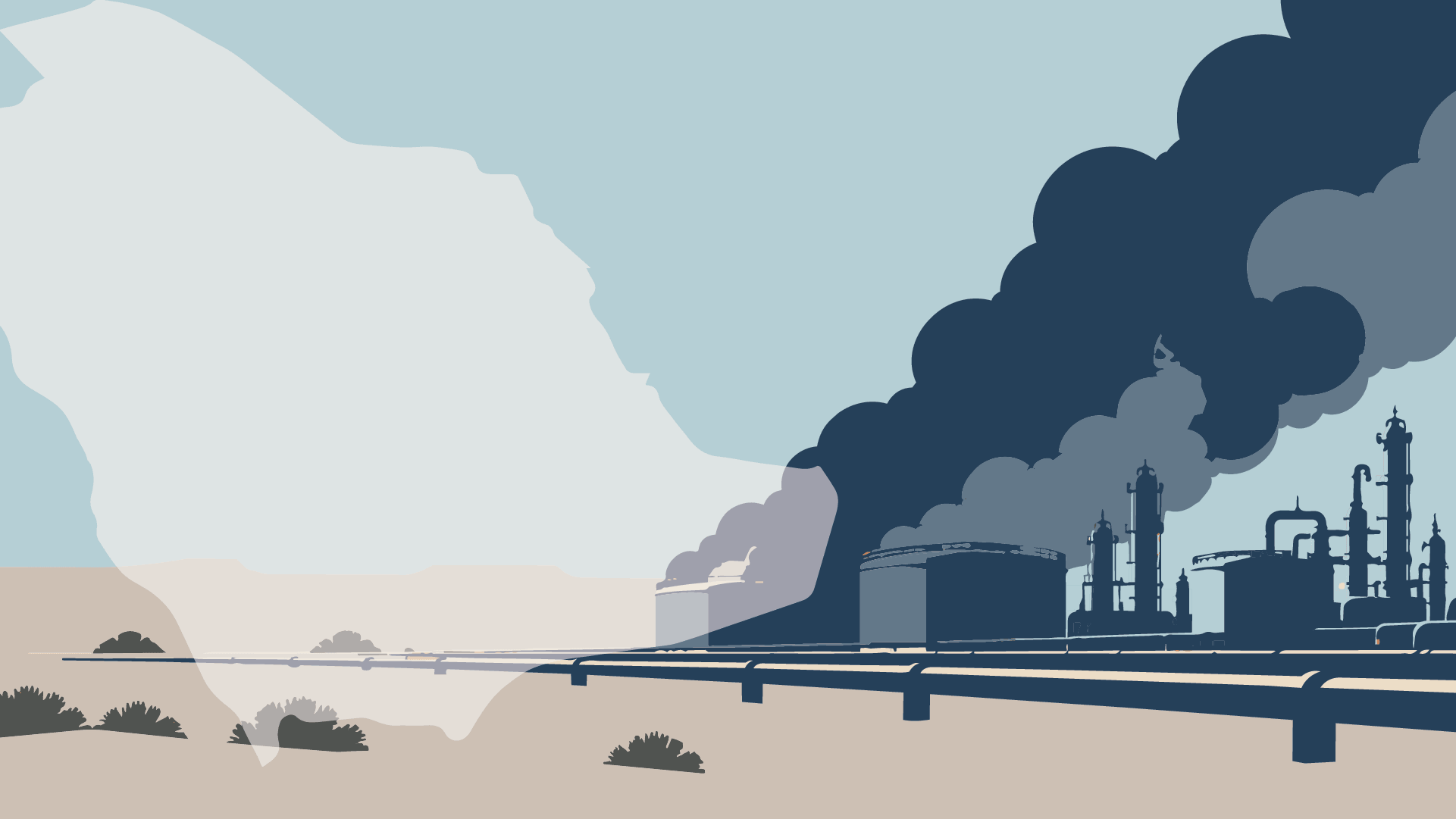
The economic consequences may prove more consequential than the immediate military setback. Ansar Allah’s attacks have disrupted Saudi Arabia’s critical export corridors. The kingdom shut its East-West Pipeline after drone strikes, while Red Sea shipping has come under threat, leaving crude exports at a 13-year low of about 3.2 million barrels per day and forcing Aramco to cancel or delay some European cargoes. Oil prices have climbed above $100 a barrel, and Saudi Arabia’s real GDP contracted 4.7% year-on-year in the second quarter of 2026, with activity in the oil sector falling sharply. The non-oil economy has remained comparatively resilient, but continued export disruption could force Riyadh to scale back the government spending that underpins Vision 2030.
For Saudi Arabia, the future now hinges on whether it can restore secure energy corridors, rebuild deterrence, and reduce its exposure to both Ansar Allah and unreliable great-power guarantees. The crisis is likely to accelerate a strategic recalibration with more investment in air and missile defence, alternative export routes, regional diplomacy and partnerships beyond Washington. Unless Riyadh can secure the Red Sea and repair its damaged infrastructure quickly, the kingdom risks converting a military embarrassment into a prolonged fiscal and developmental setback.
References
- Breaking Points: Trump PANICS After Houthis BLOW MAJOR Saudi Airport: https://www.youtube.com/watch?v=ZvTxlkABkTc
- Reuters, “Saudi crown prince sought US military help from Trump amid Houthi advance,” 11 September 2026: https://www.reuters.com/world/trump-declines-saudi-crown-princes-call-us-strikes-houthis-axios-reports-2026-09-11/
- Axios, “Saudi crown prince urged Trump to strike Houthis amid Red Sea threat,” 11 September 2026: https://www.axios.com/2026/09/11/houthis-yemen-saudi-trump-mbs-strikes
- The Guardian, “US opts not to back Saudi Arabia in Yemen after meeting Houthi leaders,” 16 September 2026: https://www.theguardian.com/world/2026/sep/16/us-officials-decide-against-backing-saudi-arabia-yemen-meeting-houthi-leaders
- The Guardian, “Thick smoke seen near Riyadh airport as Houthis claim attack,” 19–20 September 2026: https://www.theguardian.com/world/2026/sep/19/saudi-arabia-riyadh-airport
- Reuters, “Saudis shut down oil pipeline as Houthis tighten grip on Red Sea shipping,” 12 September 2026: https://www.reuters.com/business/energy/saudis-shut-down-oil-pipeline-houthis-tighten-grip-red-sea-shipping-2026-09-12/
- Associated Press, “Saudi pipeline hit by drones will be out of service for weeks,” 14 September 2026: https://apnews.com/article/yemen-houthis-saudi-shipping-mandeb-8c18d82c109a8ea91347ce53c0096c53
- The New York Times, “Saudi Oil Exports Plunge as Spread of War Shuts Off Shipping,” 9 September 2026: https://www.nytimes.com/2026/09/09/business/saudi-arabia-houthis-red-sea-oil-shipping.html
- NPR, “Saudi Arabia calls attempted attack on Mecca a ‘red line’ as Iran-backed Houthis deny they did it,” 16 September 2026: https://www.npr.org/2026/09/16/g-s1-143554/saudi-arabia-attempted-mecca-attack
- Nasser Saidi & Associates, “Hormuz and Bab el-Mandeb Disruptions Hit GCC Economy and Oil,” 14 September 2026: https://nassersaidi.com/2026/09/14/hormuz-bab-el-mandeb-gcc-oil-supply-shock/
- AGBI, “Houthi offensive threatens Saudi economy,” 9 September 2026: https://www.agbi.com/analysis/economy/2026/09/protracted-houthi-war-risks-squeezing-saudi-economy/