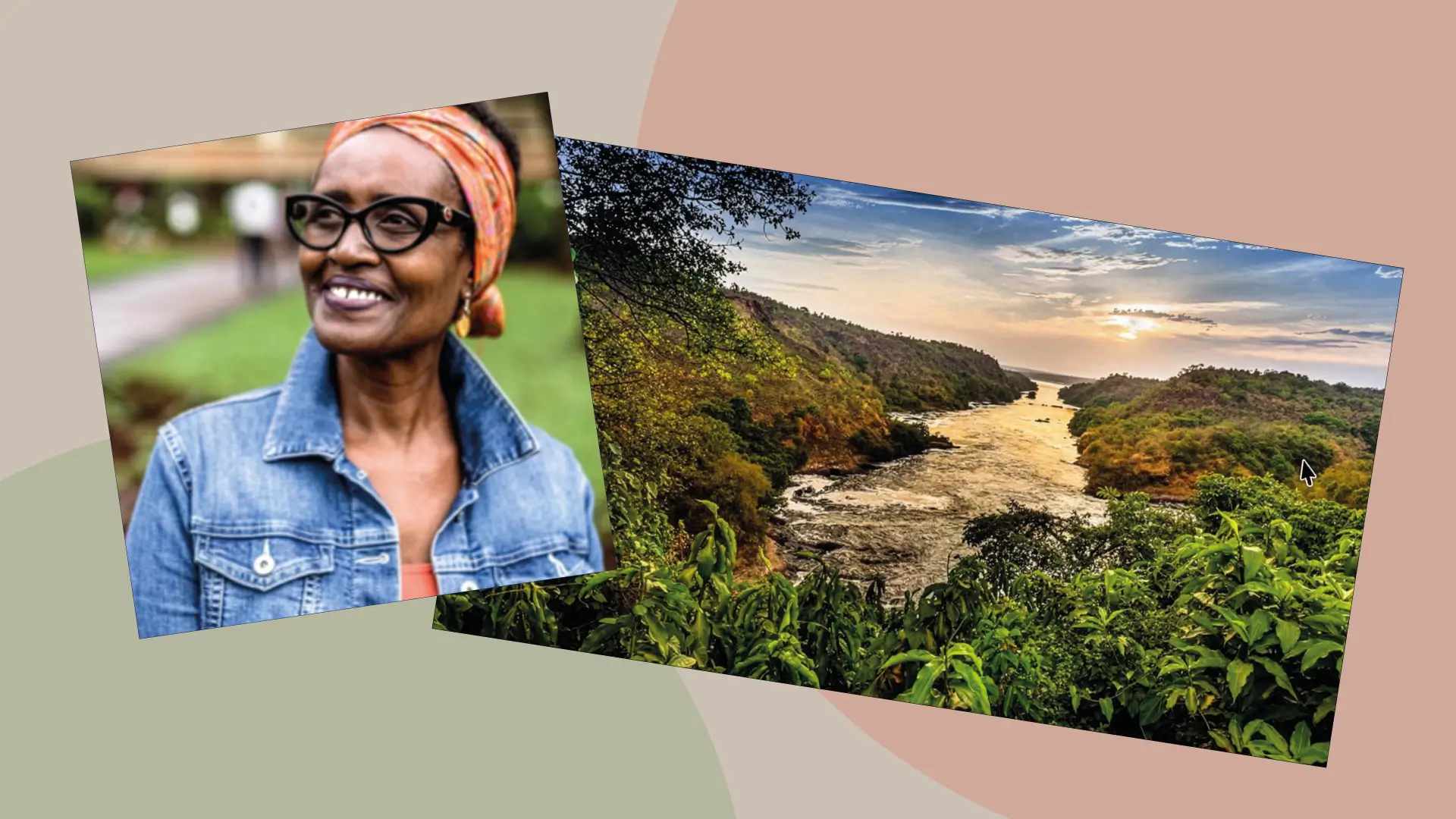
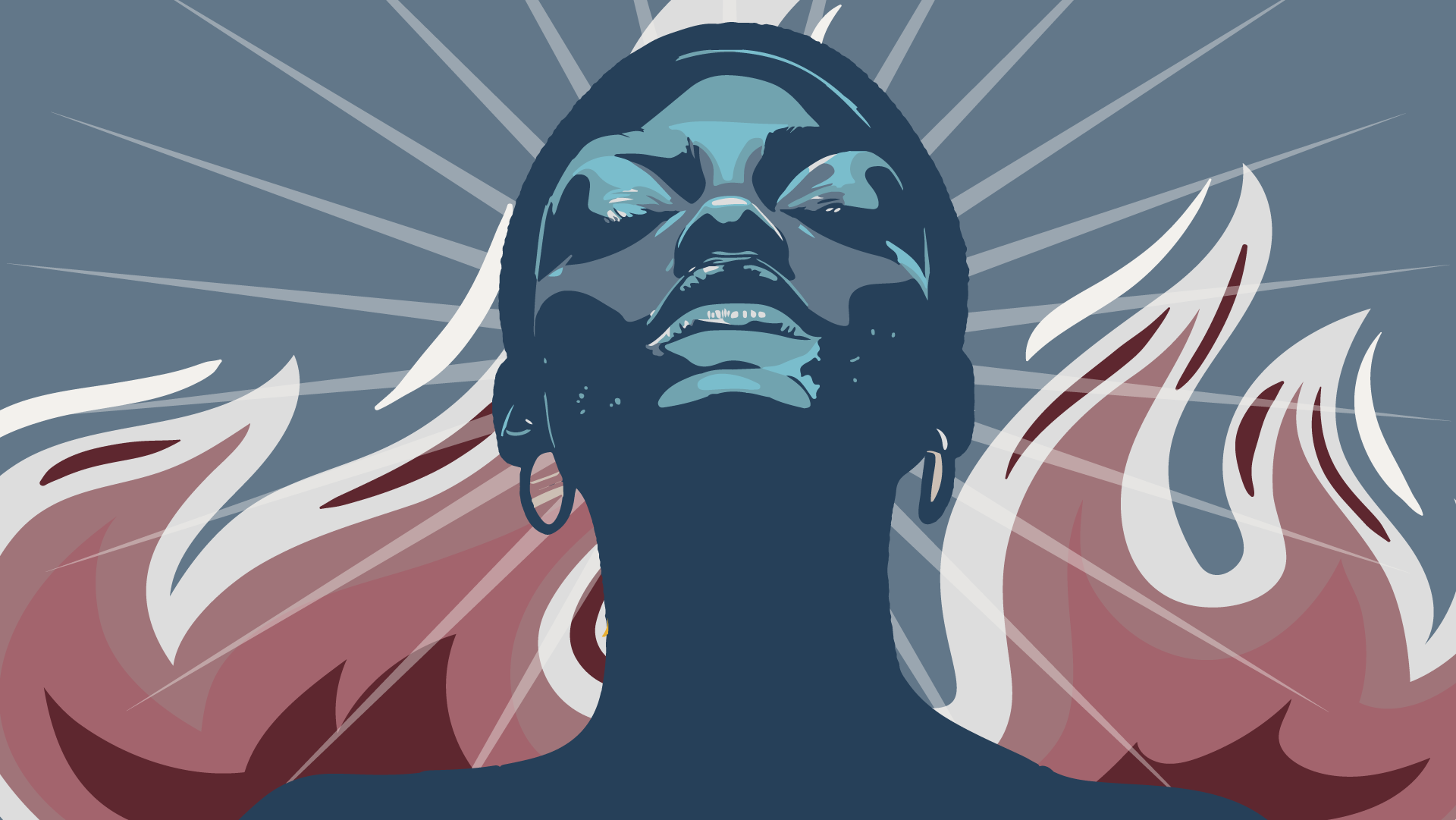
The news reached her in Nuremberg, a city whose name is synonymous with humanity’s reckoning with its darkest impulses. There, in the very courthouse where Nazi leaders faced judgment after World War II, Navanethem “Navi” Pillay learned she had won the 2026 Nobel Peace Prize.
It was a fitting setting for a woman whose life has been defined by the conviction that law, properly wielded, can hold power accountable.
At 85, Pillay becomes the first South African woman ever to receive the peace prize, joining Albert Luthuli, Desmond Tutu, Nelson Mandela, and F.W. de Klerk in the nation’s extraordinary lineage of laureates. The Norwegian Nobel Committee cited her “independence, expertise, and steadfastness” in defending international law, warning that “a world operating without the rule of law is unjust, unwise and inhumane.”
But the award carries a sharper edge than the committee’s measured language suggests. It honours a jurist who has just spent four years chairing the UN Independent International Commission of Inquiry on the Occupied Palestinian Territory; a commission that concluded Israel is committing genocide in Gaza.
From Clairwood to the world stage
The road to Oslo began in Clairwood, a working-class area outside Durban, where Pillay was born in 1941 to a bus driver and a homemaker. Her grandparents had arrived from India as indentured servants. The family was poor, Tamil, living in a system designed to keep people like her down.
When she dreamed of becoming a lawyer, a teacher told her the profession was for rich families. Her community disagreed. Neighbours raised the funds to send her to university. It was an act of collective faith that would change history.
Pillay studied law at the University of Natal, forced to attend night classes because of her race, yet graduating at the top of her class. In 1967, she became the first woman to open her own law practice in Natal province. She made her name defending anti-apartheid activists, including Nelson Mandela himself, and in 1973 secured a landmark ruling that affirmed basic rights for political prisoners on Robben Island.
“I see this award as the voice of the majority of the world,” Pillay said upon learning of the honour.
Building the architecture of accountability
Pillay’s career reads like a history of international justice itself. After earning a doctorate from Harvard Law School in 1988, she returned to South Africa to co-found an organisation defending women against domestic violence. When apartheid fell, Mandela appointed her to the High Court, the first Black woman to sit on its bench.
She joined the UN International Criminal Tribunal for Rwanda in 1995 and later served as its president judge for eight years. Under her watch, the tribunal achieved a breakthrough that would reshape international law: the recognition that rape and sexual violence can constitute acts of genocide. “From time immemorial, rape has been regarded as spoils of war,” Pillay observed. “Now it will be considered a war crime.”
She went on to serve as a judge at the International Criminal Court and, from 2008 to 2014, as UN High Commissioner for Human Rights: the first woman from the Global Majority to hold the post. During her tenure, she confronted Myanmar’s junta over atrocities against the Rohingya, pushed for recognition of preventable maternal deaths as a human rights issue, and visited Israel, where she was initially praised for her even-handedness on the Palestine question.
That praise evaporated when she began investigating Gaza.
The verdict that shook the world
Between 2021 and 2025, Pillay chaired the UN Commission of Inquiry examining Israel’s actions in the Palestinian territories. The commission’s findings were unambiguous: Prime Minister Benjamin Netanyahu, Defence Minister Yoav Gallant, and President Yitzhak Herzog had “incited the commission of genocide.” The report endorsed conclusions from genocide scholars and cited the International Court of Justice’s own determinations.
When the report was released, Pillay took to the pages of The New York Times with a message that brooked no equivocation: “To do nothing is not neutrality. It is complicity.”
Israel’s foreign ministry responded by calling her Nobel award “the grotesque weaponization of an award to legitimize anti-Israel hatred and prejudice.” Trump, who had lobbied shamelessly for the prize himself, dismissed her as “a liberal person who works at the United Nations, who nobody has ever heard of.”
Pillay’s response to the controversy was characteristically direct. Reflecting on the tributes to her “courage” in delivering the Gaza report, she said: “You can imagine how surprised I was. Why would you need courage to speak the truth?”
The wretched of the Earth
Those who know Pillay describe her as humble, down-to-earth, and a devoted mentor to young African lawyers. She is, by any measure, South Africa’s most distinguished international civil servant, yet she has never lost sight of the local.
After xenophobic attacks against African migrants swept through Durban in 2015, Pillay led a Special Reference Group on Migration and Community Integration, urging the government to “ensure that all of its policies and civil servants respect the rights and dignity of all human beings.”
That commitment to dignity – universal, indivisible – has been the throughline of her extraordinary life. From defending political prisoners under apartheid to prosecuting génocidaires in Rwanda to naming genocide in Gaza, Pillay has consistently stood with what Frantz Fanon called “the wretched of the Earth.”
A prize that speaks
The Nobel Committee’s decision to honour Pillay is itself a statement: a rebuke to those who would dismantle the international legal order, and an affirmation that the rules-based system, however imperfect, remains humanity’s best hope for justice.
Pillay dedicated the prize to “all survivors of international crimes.” But she also issued a challenge. Noting the global multilateral system’s failure to stop the violence in Gaza, she urged states to fulfil their legal obligations to protect Palestinian rights.
The girl from Clairwood, helped by her community, has spent eight decades proving that one person’s conscience can move the world. Now, armed with the Nobel’s moral authority, she has one more task: using her “newly won stature,” as one admirer put it, to advance the rule of law; not just abroad, but at home in South Africa, where vigilantism and mob violence threaten to tear the country apart.
It would be a mistake to bet against her.
Navi Pillay was awarded the 2026 Nobel Peace Prize on October 9. She remains a judge at the International Court of Justice.
References
- Norwegian Nobel Committee. (2026, October 9). The Nobel Peace Prize 2026: Navanethem “Navi” Pillay. NobelPrize.org.
- Official announcement and citation for the 2026 Peace Prize, including the Committee’s statement on Pillay’s “independence, expertise, and steadfastness” and the warning that “a world operating without the rule of law is unjust, unwise, and inhumane.”
- United Nations. (2025, October 28). Press Conference Video: Commission of Inquiry on the Occupied Palestinian Territory, including East Jerusalem, and Israel. UN Web TV / Question of Palestine.
- UN News. (2025, October 27). Israel responsible for four genocidal acts in Gaza, inquiry chair tells General Assembly. United Nations.
- Harvard Law School. (2026, October 8). Navi Pillay: From Harvard Law in the 1980s to the Nobel Peace Prize in 2026. Harvard Law School Today.
- The New Indian Express. (2026, October 9). Navi Pillay: From Apartheid to the Nobel, justice recast. The Sunday Standard.
- South African Government News Agency. (2026, October 10). Kubayi hails Navi Pillay on receiving the 2026 Nobel Peace Prize. SAnews.gov.za.
- Women’s Initiatives for Gender Justice. (2026, October 9). Congratulations to Judge Pillay on Winning the Nobel Peace Prize. 4genderjustice.org.