Following our July article on the impact of the Strait of Hormuz on the global economy and marginalised communities.
Oil surplus, corporate windfalls and the cost of crisis
The oil market is often presented as a technical puzzle: supply, demand, inventories, production quotas and shipping routes. But behind every price movement is a political choice. And behind every energy shock are people deciding whether they can afford to eat, travel, work or keep the lights on.
That is why the latest oil profits should stop us in our tracks.
Eight of the world’s largest oil producers – Saudi Aramco, BP, Shell, Equinor, TotalEnergies, Eni, Chevron and ExxonMobil –reported combined profits of almost US$93 billion in the three months to the end of June 2026. The figure was nearly double their combined profits in the same period of 2025.
Together, these companies earned more than US$700,000 every minute.
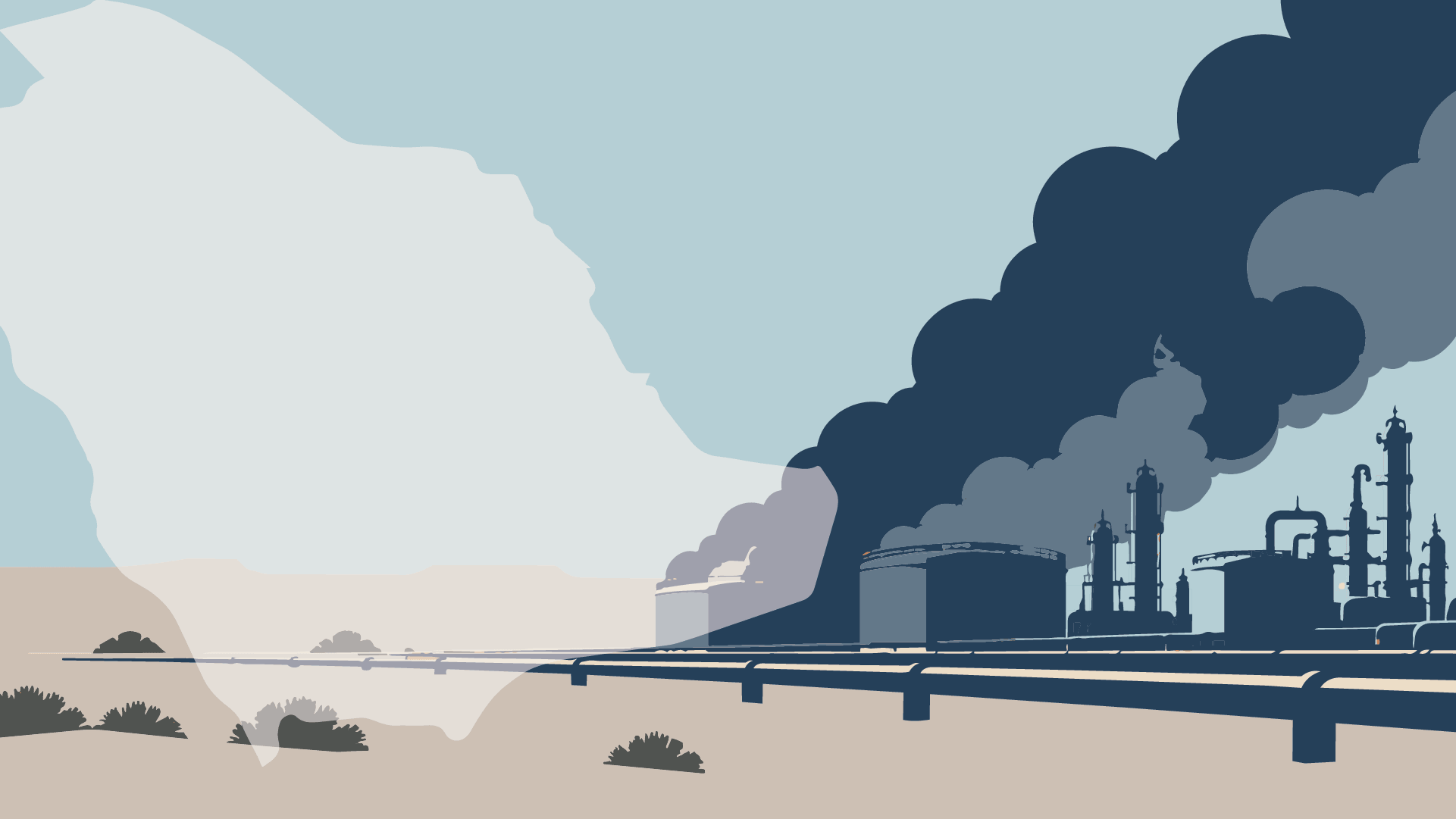
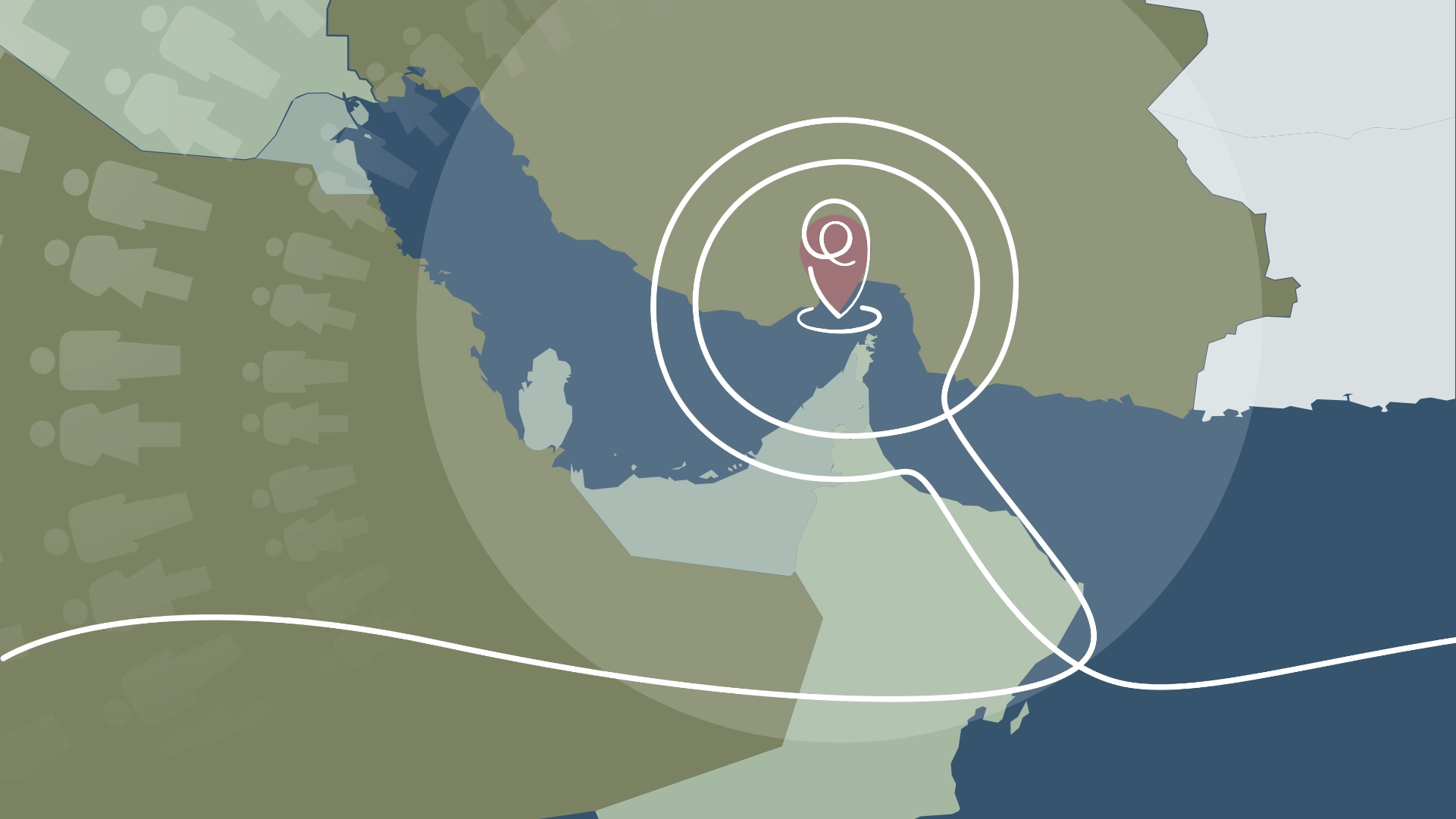
This extraordinary windfall came as war involving Iran, the United States and Israel disrupted energy markets and put pressure on shipping through the Strait of Hormuz. Oil prices surged above US$126 a barrel during the crisis, according to analysis of the companies’ results.
The irony is brutal. While households across the Global Majority faced higher fuel, transport and food costs, the companies controlling much of the world’s energy system converted instability into record earnings.
The question is not simply: how did oil companies make so much money?
The harder question is: why does crisis become profit for corporations and deprivation for everyone else?
A surplus for whom?
The phrase “oil surplus” suggests abundance. It suggests that there is enough crude in the world and that prices should therefore be falling. Yet oil markets do not operate like a public pantry where abundance automatically guarantees access.
Oil is traded through financial markets shaped by production decisions, shipping risks, sanctions, inventories, speculation, currency values and geopolitical power. A country can have adequate physical supplies while households still pay more at the pump. A temporary disruption can raise prices globally, even when much of the world’s oil production continues uninterrupted.
Forecasts have also changed rapidly during the Hormuz crisis. In January, the International Energy Agency projected that global supply could exceed demand by 4.25 million barrels per day in the first quarter of 2026, with an annual surplus of approximately 3.69 million barrels per day.
By August, however, the IEA said global supply was expected to fall by 4.3 million barrels per day in 2026, with the market facing a deficit of 1.8 million barrels per day in the third quarter.
These apparently contradictory projections are not evidence that ordinary people misunderstand economics. They show how vulnerable energy markets are to war, infrastructure damage, shipping restrictions and political decisions. They also reveal the limits of treating oil as an ordinary commodity when it is simultaneously a strategic weapon, a source of national revenue and a basic necessity for billions of people.
Even when analysts disagree, one reality remains constant: corporations can protect their margins far more effectively than low-income households can protect their budgets.
The poor pay first
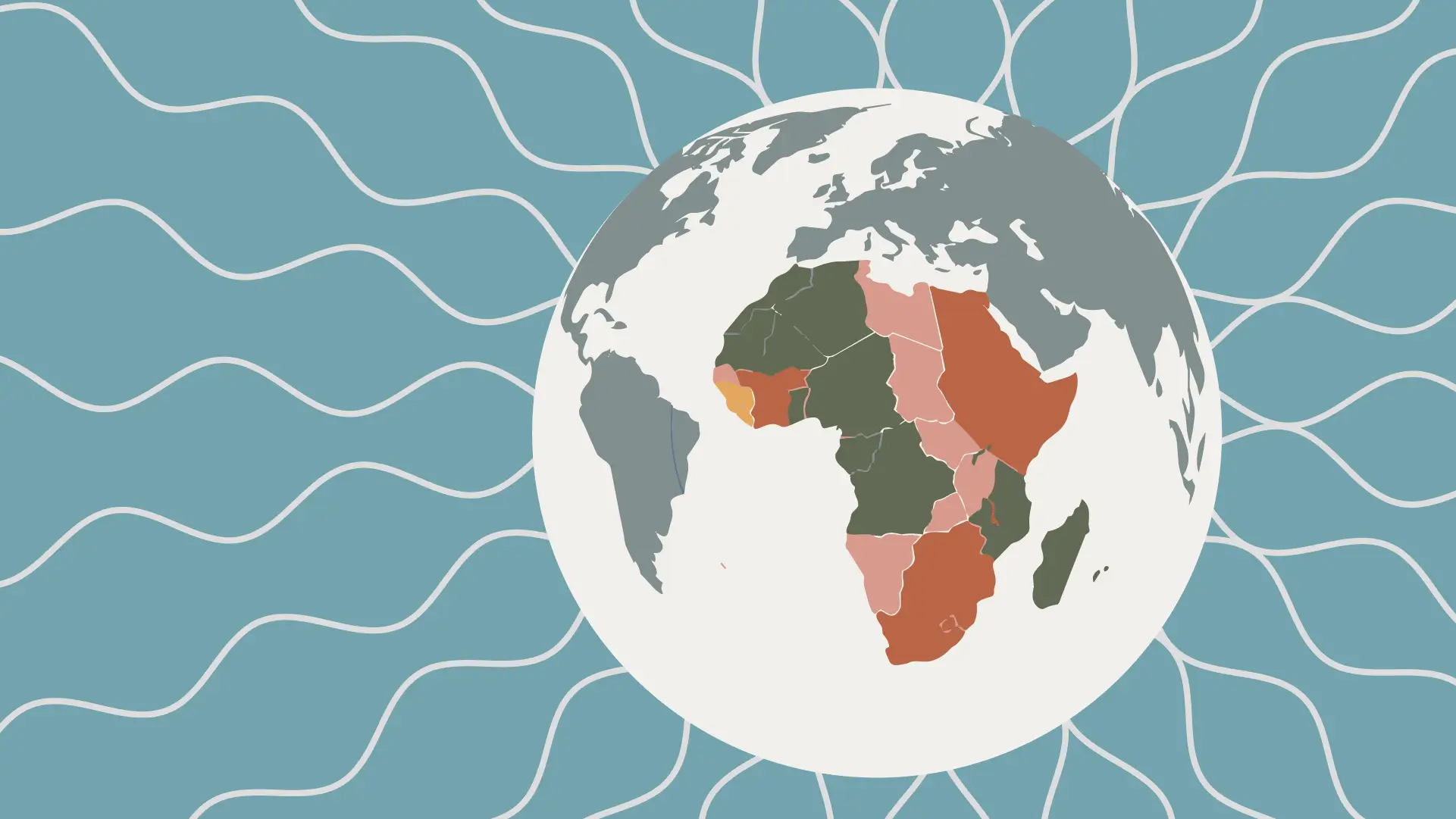
The poorest people spend a larger share of their income on food and fuel than wealthy households. When energy prices rise, they have less room to absorb the shock. The World Bank has warned that the poorest people and heavily indebted developing economies are likely to be hit hardest by energy-price surges linked to the Hormuz crisis.
This is how a geopolitical conflict becomes a household crisis in countries far from the battlefield.
Higher fuel prices raise the cost of:
- Public and private transport.
- Food production and distribution.
- Electricity generation.
- Water pumping and irrigation.
- School and health-service access.
- Small-business operations.
- Cross-border trade.
Women and marginalised communities often absorb the consequences first. When transport becomes unaffordable, women may reduce travel to work, clinics, schools or markets. When food prices rise, women frequently compensate through unpaid labour: stretching household meals, reducing their own consumption, caring for children and elderly relatives, and finding informal ways to keep families afloat.
The cost is not recorded only in inflation figures. It appears as exhaustion, missed opportunities, unpaid care and diminished choices.
An energy crisis is therefore also a gender crisis, a class crisis and a development crisis.
War becomes a business model
Oil companies argue that high profits are necessary to reward investors, fund new production and support the energy transition. Some of those profits may indeed be directed towards investment, debt reduction or shareholder returns.
But the scale and timing of the windfall demand scrutiny.
The companies did not create the war. Nor did they necessarily cause every price increase. Yet their business models are positioned to benefit when conflict restricts supply, raises prices and creates market uncertainty. The public bears the shock; corporations capture a substantial share of the upside.
This is not an accident. It is a structural feature of an economic system in which essential goods are privately controlled, and shareholder returns are prioritised.
When millions of people are told to accept austerity because governments lack fiscal space, it is difficult to justify allowing fossil-fuel corporations to retain tens of billions of dollars generated during a humanitarian crisis.
Where is the accountability in this? Where is the justice?
OPEC is not the whole story
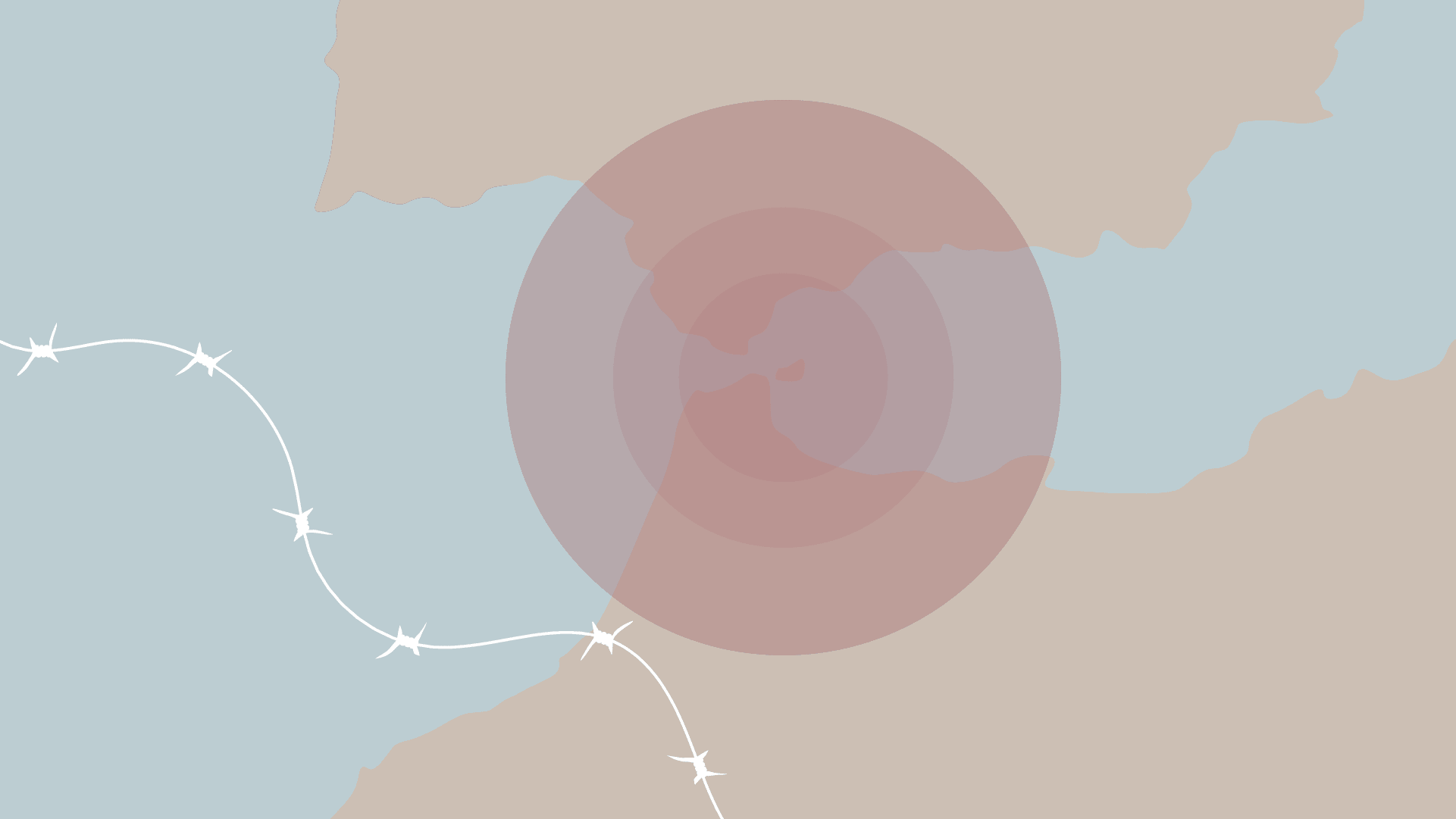
It is easy to blame OPEC whenever oil prices rise. OPEC+ production targets undeniably influence global supply, and the group agreed in July to increase its targets by 188,000 barrels per day starting in August as the Strait of Hormuz gradually reopened.
But focusing only on OPEC can obscure the wider architecture of the oil economy.
Prices are shaped by:
- Corporate production and refinery decisions.
- Financial-market speculation.
- Sanctions and export restrictions.
- Shipping insurance and freight costs.
- Strategic petroleum reserves.
- Currency movements.
- Military conflict and infrastructure damage.
- The concentration of refining and distribution power.
The oil economy is not controlled by one organisation. It is a network of states, corporations, banks, traders, shipping companies and militaries. Communities affected by energy poverty have the least influence over this network, yet they pay its highest social costs.
What energy justice requires
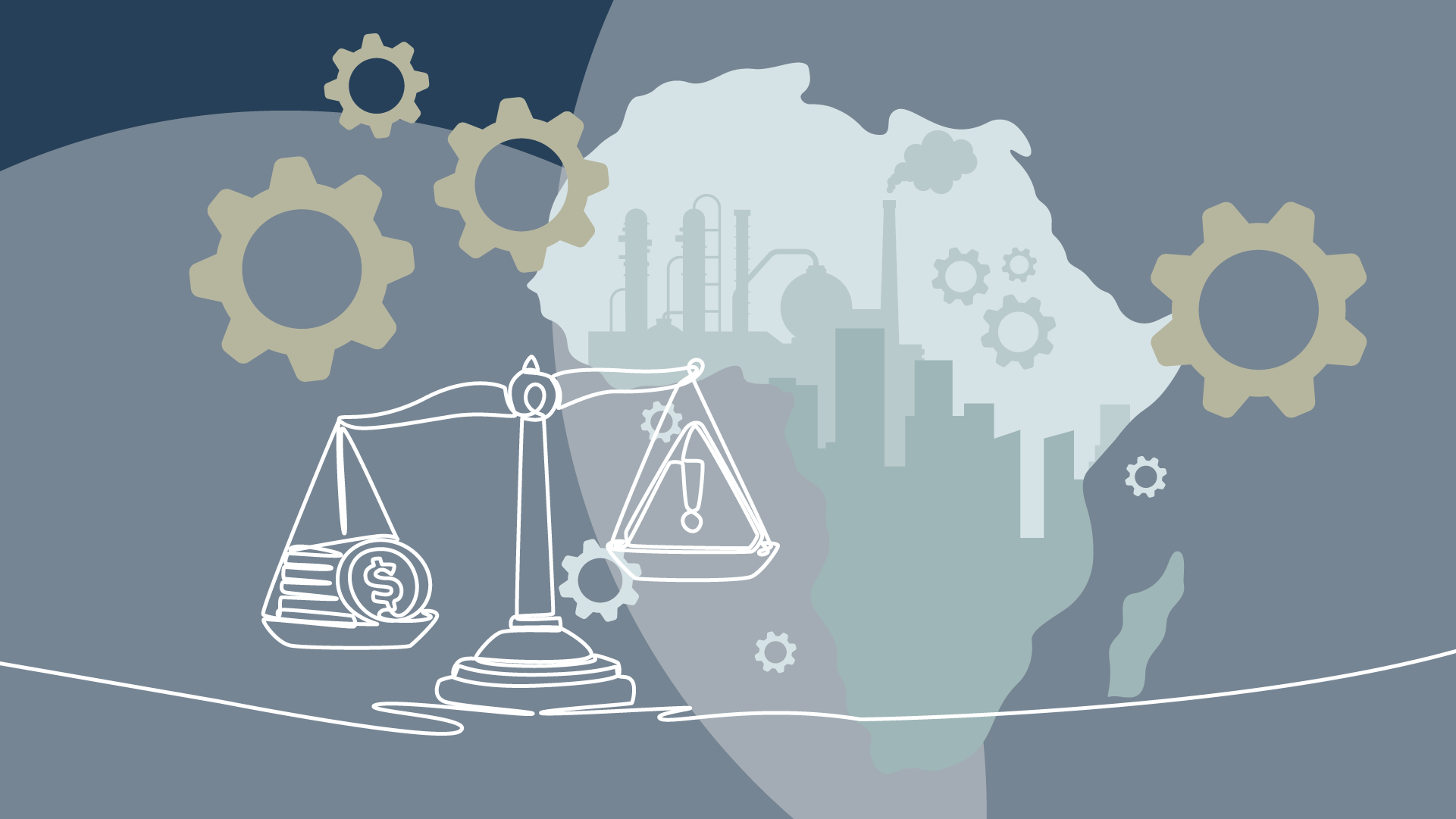
The US$93 billion windfall should not be treated as an isolated corporate success story. It should be treated as evidence that the distribution of energy wealth is profoundly unjust.
At minimum, governments should consider:
- Windfall taxes on extraordinary profits generated by war-related price spikes.
- Direct relief for low-income households, informal workers and small businesses facing higher energy and food costs.
- Debt support for developing countries exposed to imported fuel prices.
- Public investment in renewable energy, public transport, energy efficiency and decentralised
systems. - Transparency around corporate tax payments, production costs, lobbying and shareholder distributions.
- A just transition that protects workers and communities rather than transferring power from oil corporations to another set of private monopolies.
Energy justice must also be feminist. It must recognise who collects water, cooks food, travels to care for relatives, runs informal businesses and absorbs household financial stress when prices rise.
A transition designed without these realities will reproduce the same inequalities under a greener label.
From extraction to transformation
The climate crisis has made fossil-fuel dependence increasingly dangerous. The Hormuz crisis has made its geopolitical risks impossible to ignore. The oil majors’ profits have exposed the economic inequality built into the system.
We are told that oil is scarce when prices rise and abundant when companies need to expand production. We are told that markets are efficient, yet households cannot rely on stable access to essential energy. We are told that corporations must be protected to preserve the economy, while ordinary people are left unprotected from the consequences of corporate power.
The truth is more direct: energy systems are political systems.
They determine who moves, who eats, who works, who develops and who remains vulnerable. They determine whether public resources are used to secure collective wellbeing or to guarantee private accumulation.
The eight companies’ US$93 billion profit is therefore not merely a number. It is a map of the current global order. It shows where wealth flows when conflict erupts … and who is expected to pay.
For activists in the Global Majority, the demand cannot be limited to lower prices. It must be for democratic control over energy, fair taxation, public accountability and a transition shaped by the people most harmed by extraction and inequality.
There may be an oil surplus in the ground, in storage or in production forecasts.
But there is no surplus of justice.
Until energy wealth is redirected towards communities rather than concentrated among corporations and shareholders, the world will continue to experience abundance at the top and scarcity below.
This article follows Postscripts’ July discussion of the Strait of Hormuz and its impact on marginalised communities. Read the July article on our website.
References
- International Energy Agency. “Oil Market Report – August 2026.” 12 August 2026.
- International Energy Agency. “Oil Market Report – January 2026.”
- Reuters. “Global 2026 Oil Supply Shortfall to Deepen as Hormuz Disruption Continues.” 12 August 2026.
- The Guardian. “Revealed: Major Oil Firms Make $93bn Profits Amid War and Climate Crisis.” 4 August 2026.
- NPR. “Oil Companies Report Sky-High Profits Thanks to Wartime Crude Prices.” 31 July 2026.
- Reuters. “OPEC+ Approves Further Oil Output Increase as Hormuz Reopens.” 5 July 2026.
- World Bank. “Middle East War to Spark Biggest Energy Price Surge in Recent History.” 28 April 2026.
- Reuters. “Global Oil Demand to Rise by Less Than Expected in 2026.” 12 February 2026.