As the world races for Africa’s minerals, will the continent finally industrialise, or remain trapped as a supplier of raw materials?
A new scramble for Africa is quietly unfolding.
Unlike the colonial scramble of the past, today’s global competition is not centred on territorial occupation, but on access to the minerals required to power the future global economy.
From electric vehicles and artificial intelligence to renewable energy systems, semiconductors, battery storage, and advanced manufacturing, the world’s industrial transition increasingly depends on resources found in Africa.
Lithium. Cobalt. Copper. Manganese. Rare earth minerals. Uranium. These are no longer simply commodities buried beneath African soil. They have become strategic geopolitical assets shaping the future balance of global economic power.
Suddenly, Africa is no longer sitting at the margins of global industrial conversations. It is becoming central to them.
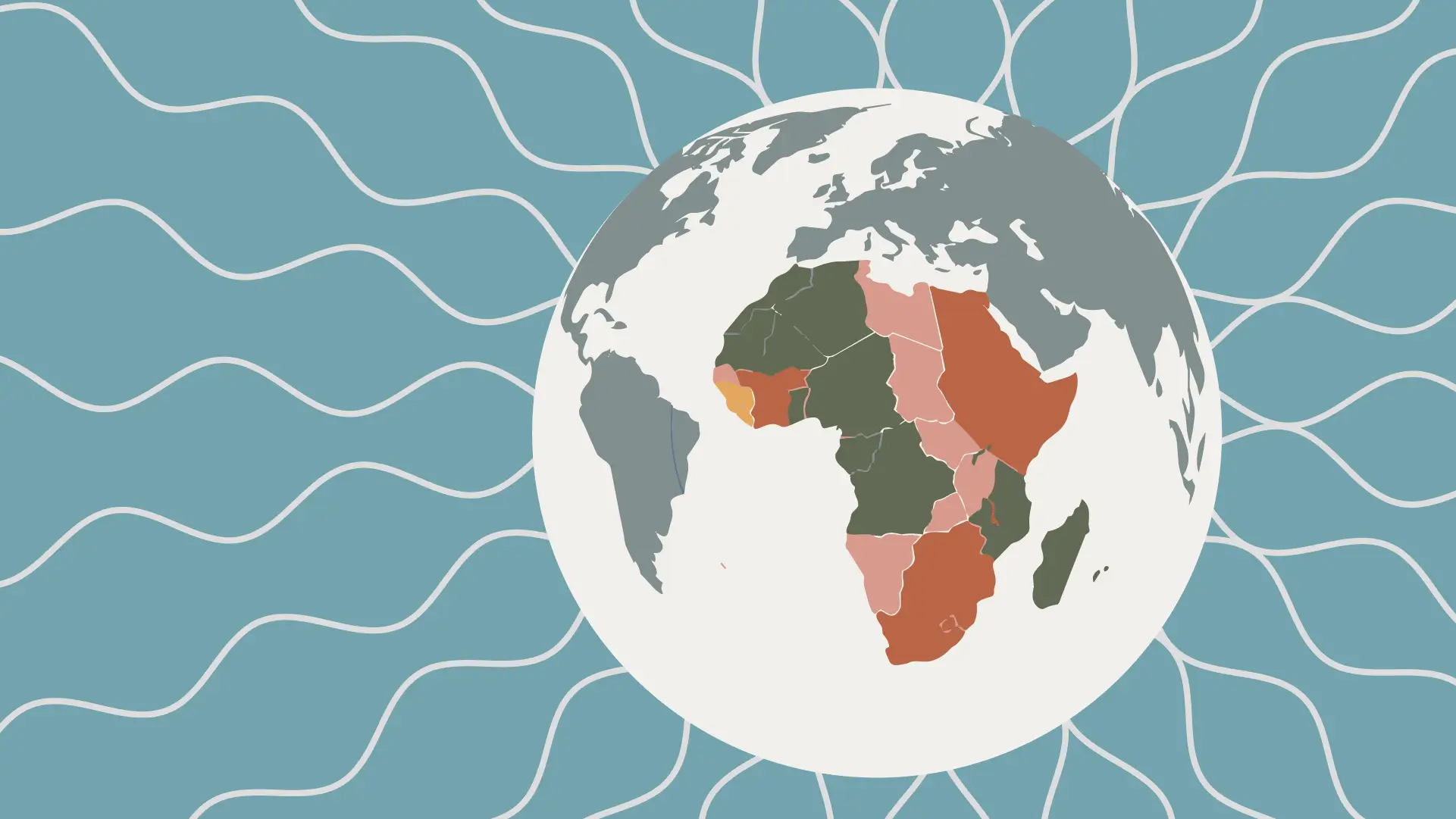
The continent holds some of the world’s largest reserves of critical minerals essential for the green transition and emerging technologies. The Democratic Republic of Congo alone accounts for the majority of global cobalt reserves. Southern Africa holds significant platinum and lithium deposits. West Africa continues to expand its gold and bauxite production. Across the continent, strategic resources are attracting increasing interest from global powers, multinational corporations, and investors seeking to secure long-term supply chains.
But as the world turns its attention toward Africa’s mineral wealth once again, an uncomfortable question continues to follow the continent:
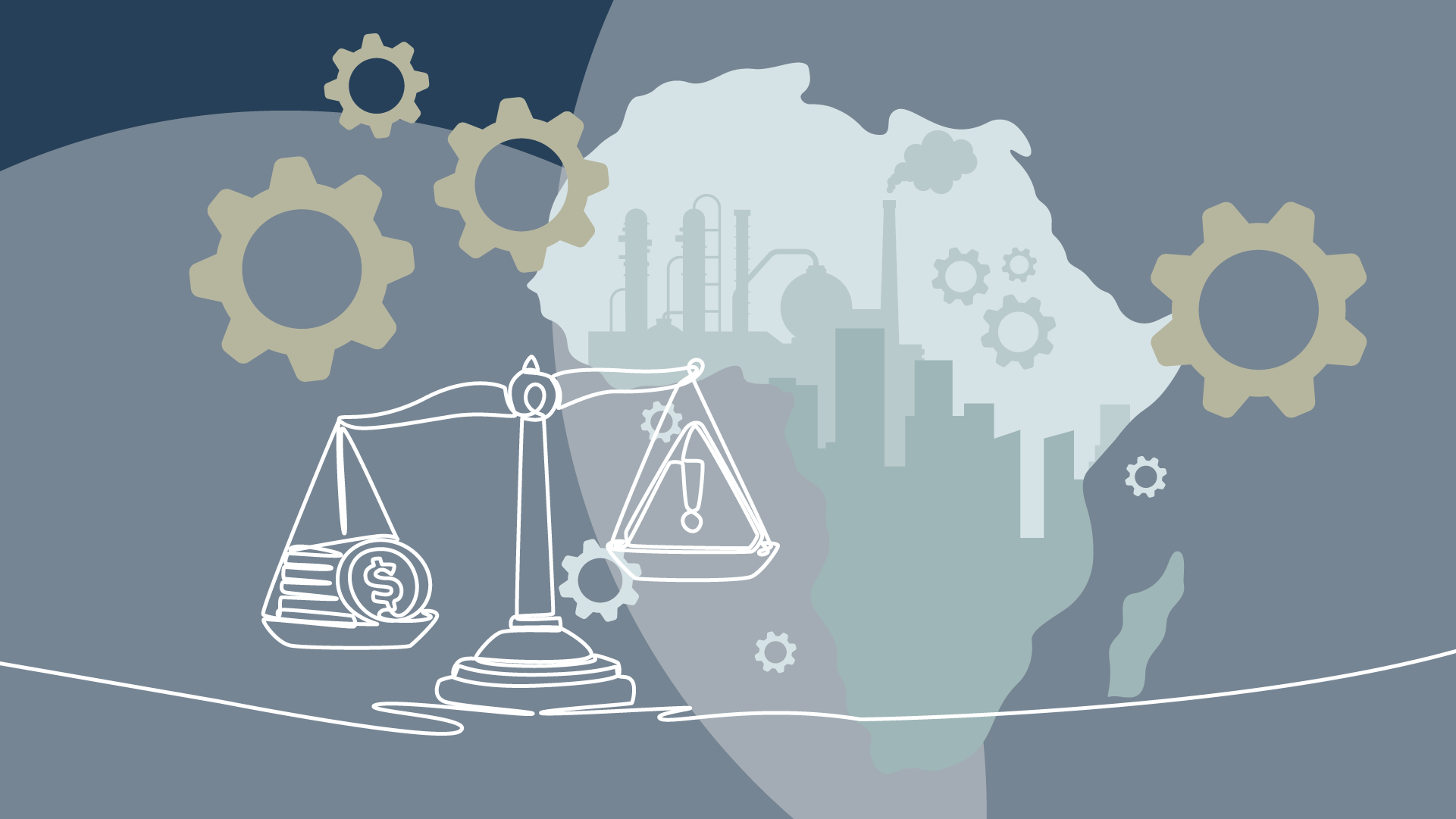
Will Africa finally leverage its resources to industrialise and build economic sovereignty, or will it continue exporting raw materials while importing finished products at significantly higher value?
For decades, Africa has remained largely positioned at the lower end of global value chains. The continent has historically borne the environmental, social, and extractive burdens associated with mining, while much of the real industrial value creation, manufacturing, and wealth accumulation have occurred elsewhere.
Today, however, there is growing recognition that extraction alone cannot sustain long-term development.
Increasingly, African leaders, policymakers, and economic strategists are emphasising the need for beneficiation, local manufacturing, industrialisation, and stronger African participation across entire resource value chains. The conversation is gradually shifting from merely exporting minerals toward building industries around them.
Yet another equally important conversation is emerging: where do African women fit within this new resource economy?
Despite mining being one of the continent’s most strategic sectors, women remain significantly underrepresented across many areas of the industry, particularly within technical operations, engineering, financing, procurement, logistics, mineral trading, infrastructure development, and ownership structures.
Too often, conversations about women and mining remain limited to symbolic inclusion. But the future mining economy presents opportunities far beyond the mine itself.
Modern mining ecosystems require infrastructure, transportation networks, affordable housing, sanitation systems, environmental services, logistics operations, catering, security, digital technologies, health services, and entire supply chain industries surrounding mining communities and industrial corridors.
In reality, mining is not simply about extraction; it is about the creation of economic ecosystems.
And this is precisely where African women entrepreneurs, professionals, innovators, and investors have an opportunity to position themselves more strategically.
As Africa seeks to strengthen local participation in its resource economy, women must increasingly move beyond peripheral roles toward becoming suppliers, industrial participants, infrastructure developers, financiers, manufacturers, and strategic stakeholders in the sector.
The conversation is also becoming increasingly linked to infrastructure and human settlements.
Mining operations create entire economic zones requiring roads, schools, worker accommodation, clinics, water systems, and sustainable housing solutions. Across the continent, the challenge is no longer only about how minerals are extracted, but also about how mining economies can contribute meaningfully to broader community development and long-term industrial transformation.
This is why African-led solutions in infrastructure, affordable housing, local manufacturing, and sustainable development are becoming increasingly strategic within the broader mining ecosystem.
As the world competes for Africa’s minerals, the continent faces a historic opportunity to redefine its economic future.
But this will require more than just resource abundance.
It will require strategic leadership, stronger institutions, regional cooperation, investment mobilisation, industrial policy alignment, infrastructure development, and deliberate inclusion across value chains.
Most importantly, it will require Africa to think differently about ownership, participation, and economic sovereignty.
Because the future of Africa’s minerals should not simply power global economies while Africa remains underdeveloped.
They must become active participants in building the industries, businesses, supply chains, and development ecosystems that will shape Africa’s next economic era.
The article Africa’s New Scramble: Critical Minerals, Global Power & Women’s Place in the New Resource Economy, by Madelein Mkunu was published on 2 June 2026 on the Women in Geopolitics substack as part of the The Women in Geopolitics Debate Series.