The latest U.S. break with the Iran ceasefire is not just another military escalation; it is redrawing the Persian Gulf’s security map, tightening the Strait of Hormuz chokepoint, and sending shock waves through energy, food, and transport systems that hit women and other marginalised people hardest. The region is moving from fragile de-escalation back toward coercive diplomacy by force, with consequences that reach far beyond Tehran and Washington.
“The equation of this war is clear: either everyone or no one.” Iranian Parliament Speaker Mohammad Bagher Ghalibaf’s stark declaration on the platform X captures the new reality of the Persian Gulf. After the latest U.S. break with the ceasefire, the region is no longer negotiating from a position of fragile de-escalation but is plunging into a maelstrom of mutual coercion. This is not just a military escalation; it is a fundamental redrawing of the security map that tightens the chokehold on the Strait of Hormuz and sends seismic shocks through energy, food, and transport systems, landing most heavily on the shoulders of women and marginalised communities across the Global South.
A region under pressure
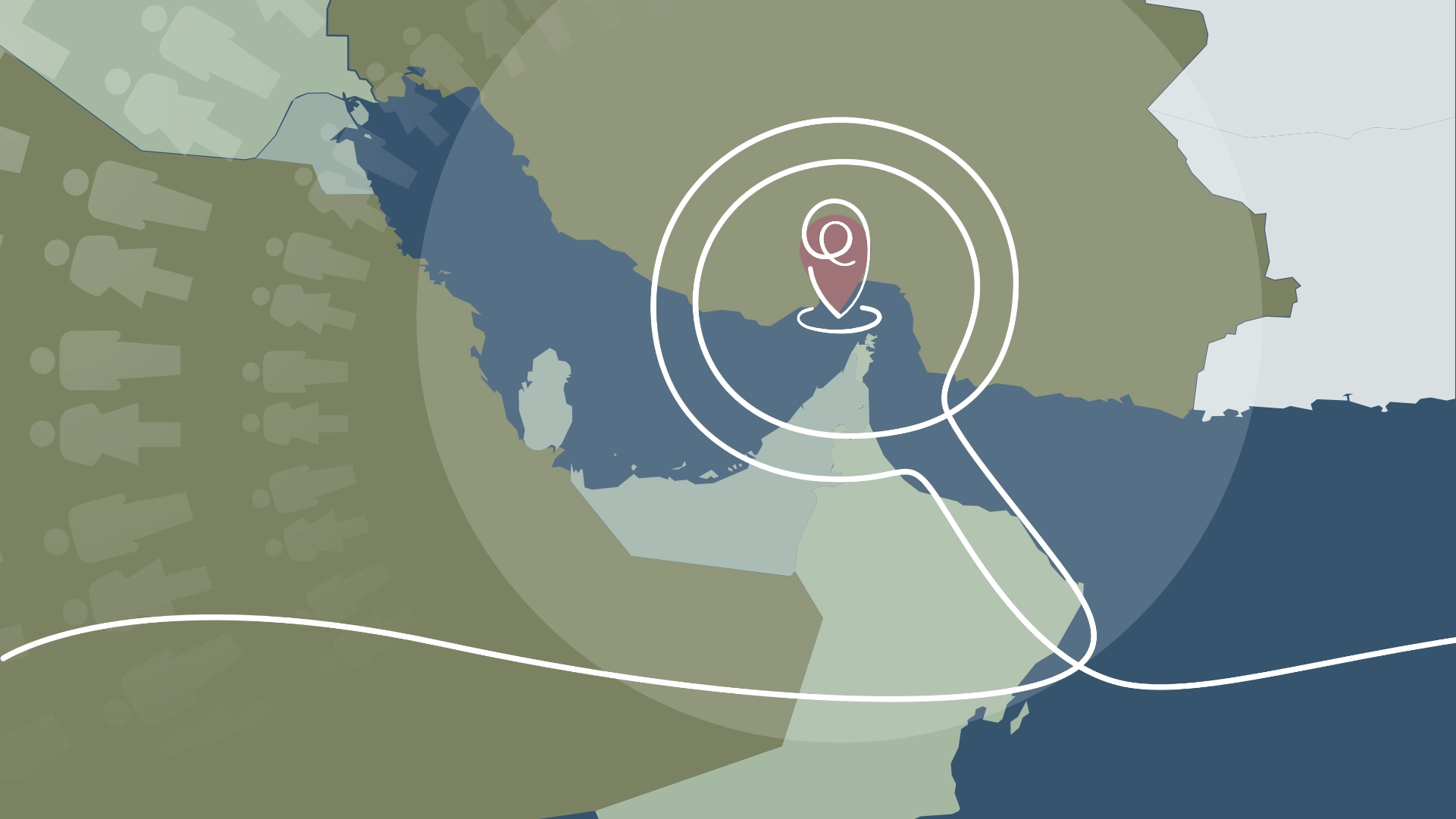
When the US president said the interim accord with Iran was “over,” Reuters reported that the deal’s intended 60-day negotiation window collapsed amid new U.S. strikes and Iran’s retaliation, including attacks linked to the Strait of Hormuz. By early July, shipping through Hormuz had fallen to a near standstill, and later reporting showed only a handful of commodity vessels transiting on some days as insurers, shipowners, and crews treated the waterway as a live conflict zone. That matters because Hormuz is not a symbolic corridor; it is the artery through which a major share of the world’s oil and liquefied natural gas moves.
For Gulf states, the immediate effect is strategic panic. Saudi Arabia, the UAE, Qatar, Kuwait and Bahrain all have to think not only about trade flows but about missile defence, port vulnerability, investor confidence and the possibility that their own territory becomes a logistics hub for a wider war. The Reuters reporting that Gulf economies are already facing deeper downturns, with some forecasts sharply downgraded, shows how quickly military escalation becomes economic contraction. In other words, the region is being forced to live with a new reality: the Gulf is no longer just an energy market; it is a contested battlefield for leverage.
Why markets feel it
Energy markets react fast to uncertainty, and the data are already showing that reaction. Reuters reported that oil prices climbed to a one-month high after the U.S. reimposed a naval blockade on Iran and renewed attacks heightened fears over energy flows through Hormuz. The same reporting noted the waterway normally carries about one-fifth of global oil and gas supplies, which explains why even partial disruption can move prices quickly. The International Energy Agency warned that if flow does not recover soon, the world should worry about energy security, and that Asia is most exposed because many countries there rely heavily on Hormuz-linked imports.
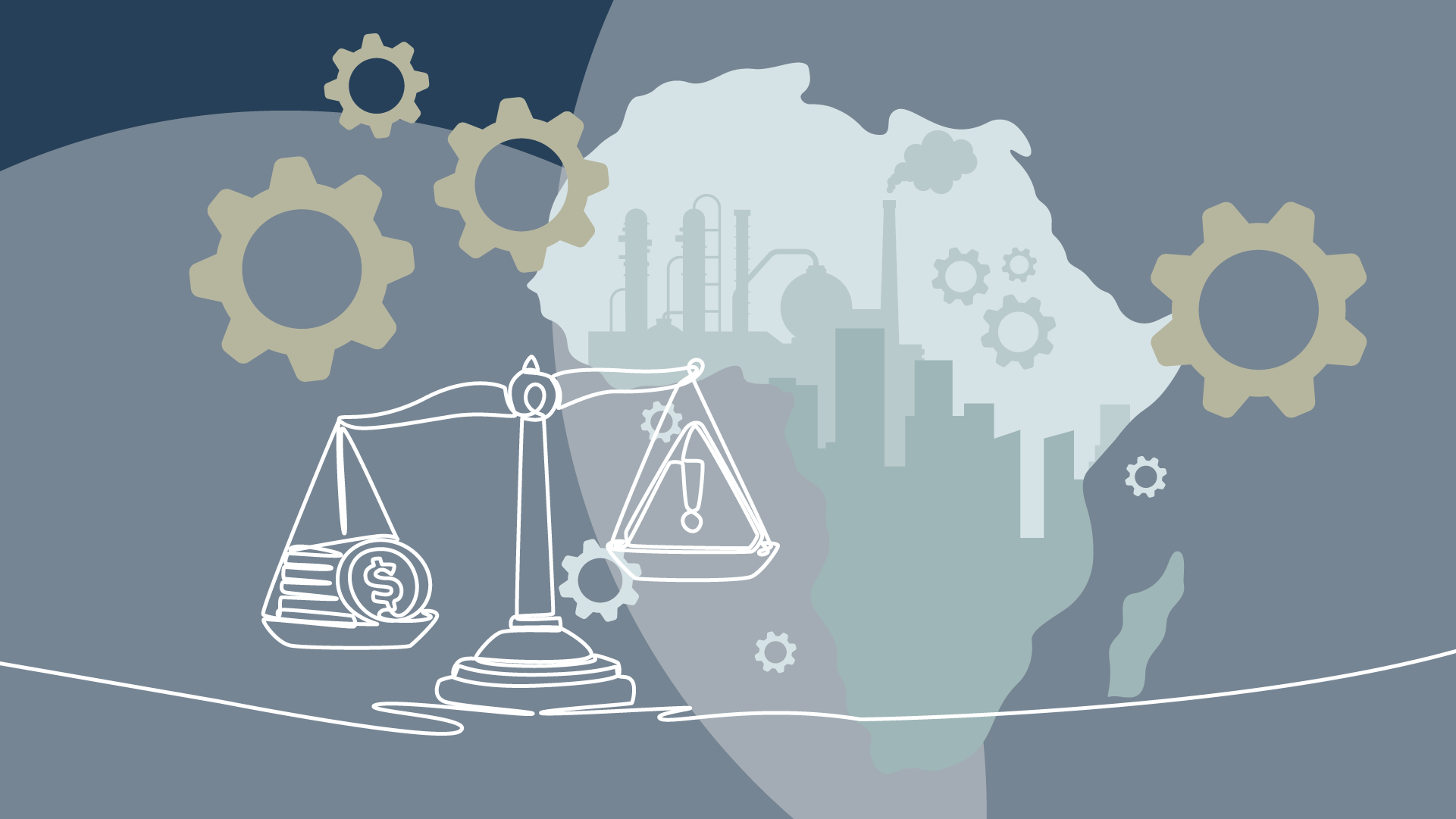
That exposure is not abstract. Reuters also reported that most Gulf economies are likely to contract more sharply than expected, while oil prices have risen as markets price in prolonged disruption. The World Bank has already warned that conflict in the Middle East can slow global growth through higher energy prices, steeper inflation, and increased borrowing costs. When shipping lanes fracture, the cost does not stay in the Gulf; it travels into freight rates, fertiliser costs, food imports, public debt, and household bills across Africa, Asia, and Latin America.
What it means for women
The gendered impact is severe because energy shocks always cascade into care work, food access, and health. The IEA specifically warned that in developing countries, women may be pushed toward alternative cooking fuels such as dung and wood when petroleum becomes unaffordable, increasing exposure to hazardous smoke and health risks. That is not a side effect; it is a predictable outcome of crisis in economies where women already shoulder the bulk of unpaid care and household provisioning.
For women in Global Majority contexts, the link between geopolitics and daily survival is direct. Higher fuel costs raise the price of food transport, public transit, water pumping, and small-scale trading, all of which shape whether women can keep households running and livelihoods afloat. In conflict-affected or import-dependent countries, inflation also weakens the purchasing power of social grants and wages, so women absorb the first and deepest cuts. The result is a chain reaction: less cash, less food, more unpaid labour, more time poverty and greater exposure to violence and exploitation.
Feminist politics now
This moment demands a feminist anti-war politics that links foreign policy to bread-and-butter survival. Women activists should insist that ceasefire breakdowns are never just about state power; they are about who pays when states choose escalation over diplomacy. That means demanding protection for civilians, transparent accountability for attacks on shipping and infrastructure, and economic policies that shield low-income households from fuel and food spikes.
It also means refusing the false split between “regional security” and “women’s issues.” The Strait of Hormuz, the oil market, and public budgets are women’s issues when they determine whether a mother can cook safely, whether a market vendor can afford transport, or whether a clinic can keep its doors open. Feminist internationalism should centre the Global Majority: not as passive victims of great-power conflict, but as organisers who understand that militarised solutions deepen inequality while narrowing democratic space.
A different path
The lesson of this latest rupture is stark: every new round of strikes makes the Gulf less stable, makes the global economy more fragile, and makes ordinary people carry the cost of decisions taken far above them. If the world wants stability, it cannot keep treating the Strait of Hormuz as a pressure valve for U.S.-Iran confrontation. It must defend shipping, revive diplomacy, and protect the social systems that keep women and families alive when markets and states fail.
References
- Reuters, “Trump says interim accord with Iran to end war is ‘over’”. reuters
- Reuters, “Oil tanker traffic through Hormuz at near standstill as attacks strain Iran truce”. reuters
- UN News, “US-Iran war leaves shipping at near-standstill in Hormuz again”. news.un
- Reuters, “POLL Most Gulf area economies face deeper downturns this year…”. reuters
- Reuters, “Oil prices rise 2% to one-month high as US-Iran attacks…”. reuters
- Reuters, “Global energy security at risk if Strait of Hormuz does not open in weeks, IEA chief says”. reuters
- World Bank, “Global Economic Prospects June 2026”. worldbank
- Reuters, “Hormuz disruption may have lasting impact on vulnerable economies, UN trade agency says”. reuters
- Reuters, “After Hormuz, Iran turns to Red Sea gateway as new pressure point”.
- How iran won the war https://www.youtube.com/watch?v=WN9vlHtqTBY
- Saudi arabia relationship https://thinkbrics.substack.com/p/the-kings-move-saudi-nuclear-energy