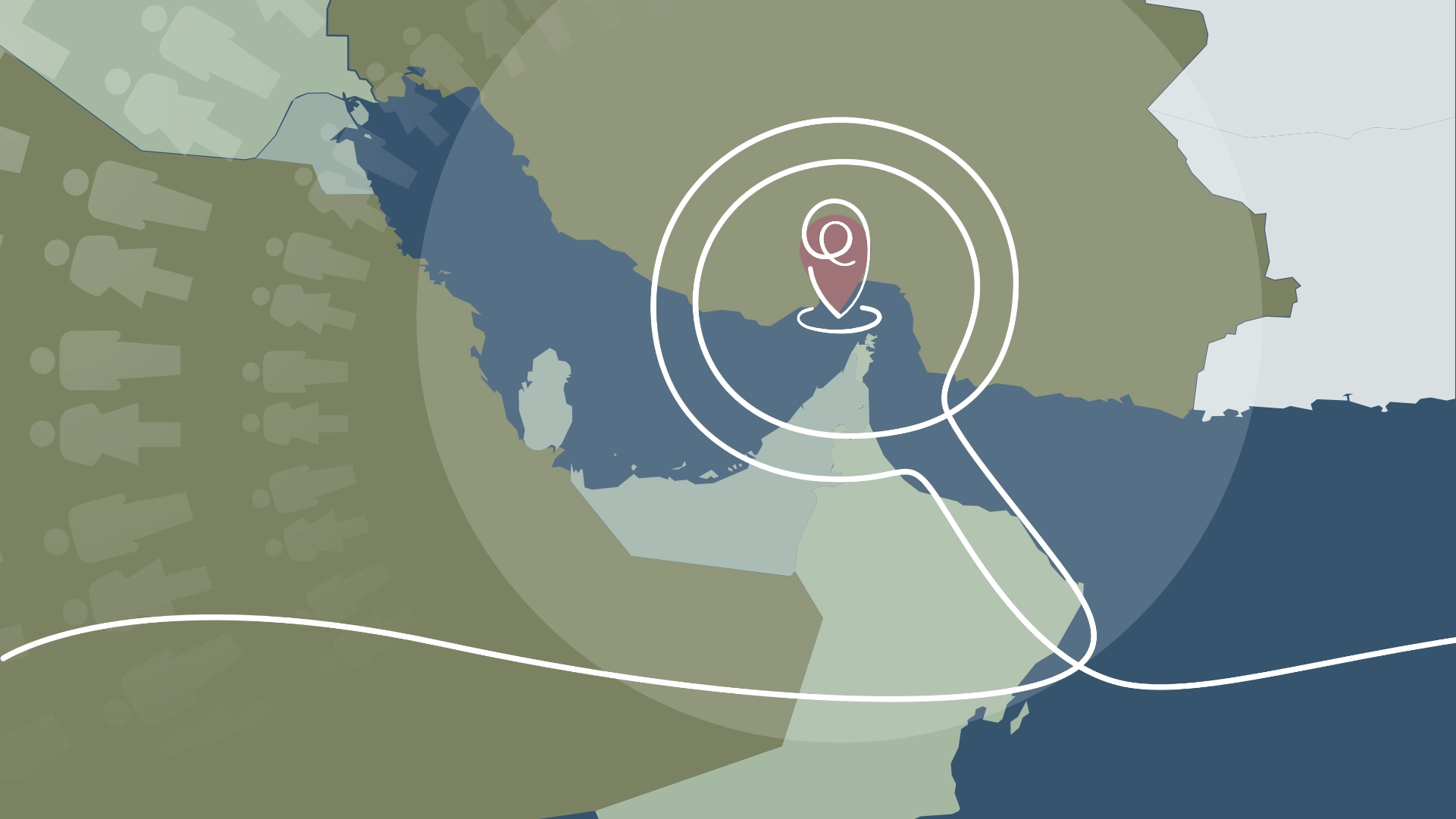
Tunisia, a North African country with a population of nearly 12 million, has a history marked by ancient civilisations, colonialism, and, most recently, a dramatic struggle for democracy. In 2011, Tunisia toppled a long-standing dictatorship, inspiring hope for freedom and human rights across the region. But after a decade of progress, Tunisia’s democratic dream is in jeopardy.
Since President Kais Saied consolidated power in 2021, the country has seen a sharp return to authoritarian practices: the jailing of political opponents, activists, lawyers and journalists simply for speaking out or defending human rights.
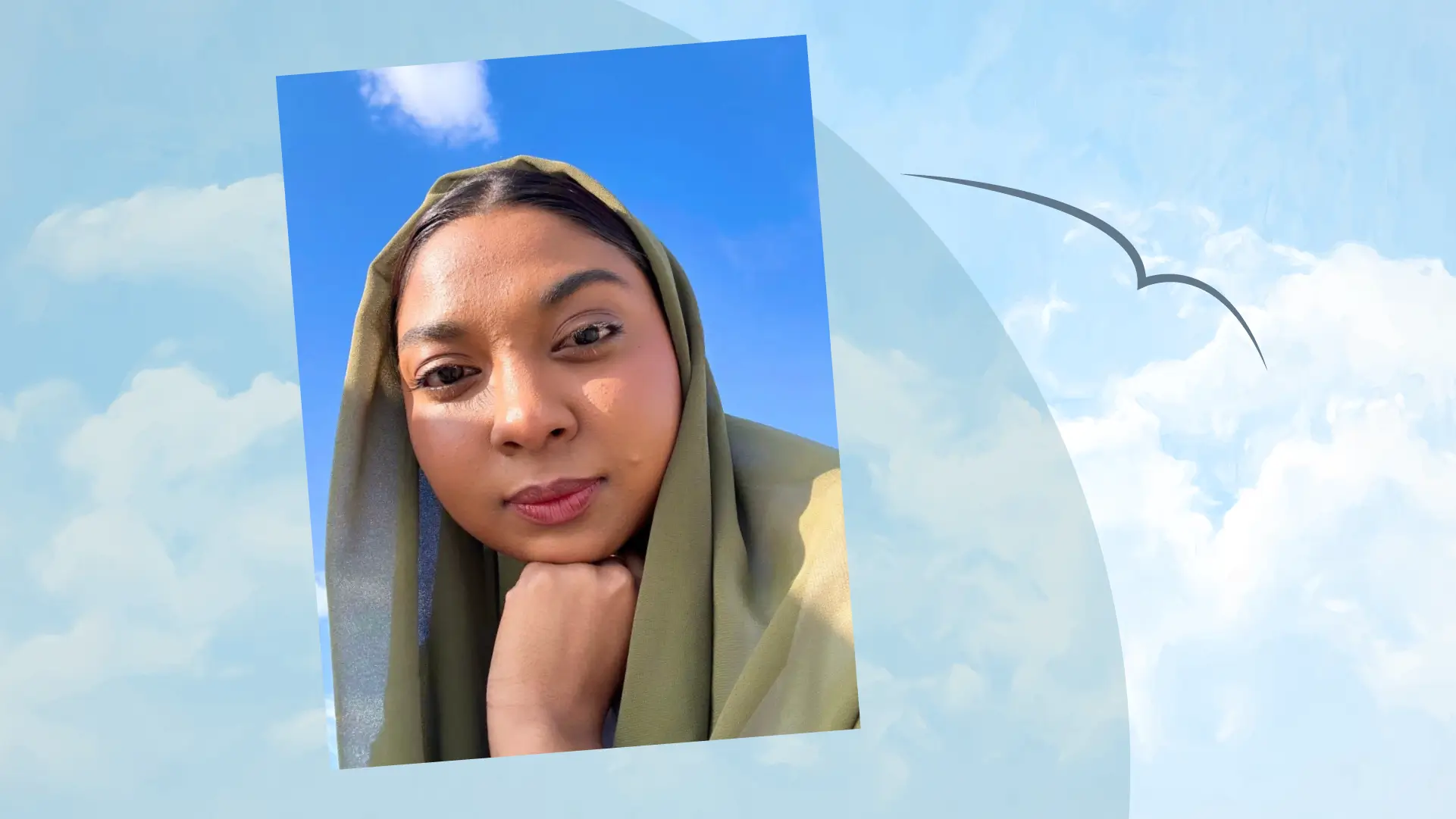
Among them, Sheikh Rached Ghannouchi, 83 years old, co-founder and leader of Tunisia’s Ennahdha Party, has been in prison since April 2023. According to his daughter Yusra Gahannouch, an activist, researcher and who is travelling in South Africa to apprise people of the dangers to democracy in Tunisia. Rached Ghannouchi has been sentenced to 22 more years, accused of “plotting against the state”. Said Ferjani, 73, a senior Ennahdha official and close ally of Ghannouchi, has also been detained as part of the government’s crackdown on opposition figures.
“Dictators rely on silence. They fear truth.”
—Yusra Ghannouchi, Daughter of Sheikh Ghannouchi. Researcher, former spokesperson, and a powerful voice for freedom. She speaks not just as an activist – but as a daughter whose father is growing o.d behind bars, punished for believing in democracy.
The current Tunisian leadership has consolidated power since 2021 by suspending parliament, ruling by decree, and overseeing the arrest of numerous opposition leaders, judges, and critics. Saied’s government is primarily backed by the country’s security forces and a segment of the population disillusioned with previous coalition governments. However, his leadership has faced criticism from international human rights groups and Western governments over democratic backsliding and repression of dissent.
Tunisia has long been considered a leader in women’s rights in the Arab world, with progressive laws on personal status and a strong presence of women in public life, especially after the 2011 revolution. However, the recent crackdown threatens these gains. As democratic institutions are dismantled, women’s voices are increasingly marginalised in politics, media and civil society.
Connect with us if you have more insights into what’s happening in Tunisia and how we can bear witness. Aljazeera covers the crackdown and resistance in Tunisia.
This piece was written for the June 2025 edition of Postscripts, Shamillah Wilson’s monthly round-up of what’s been happening in feminist circles, her work, and some recommended reading suggestions.