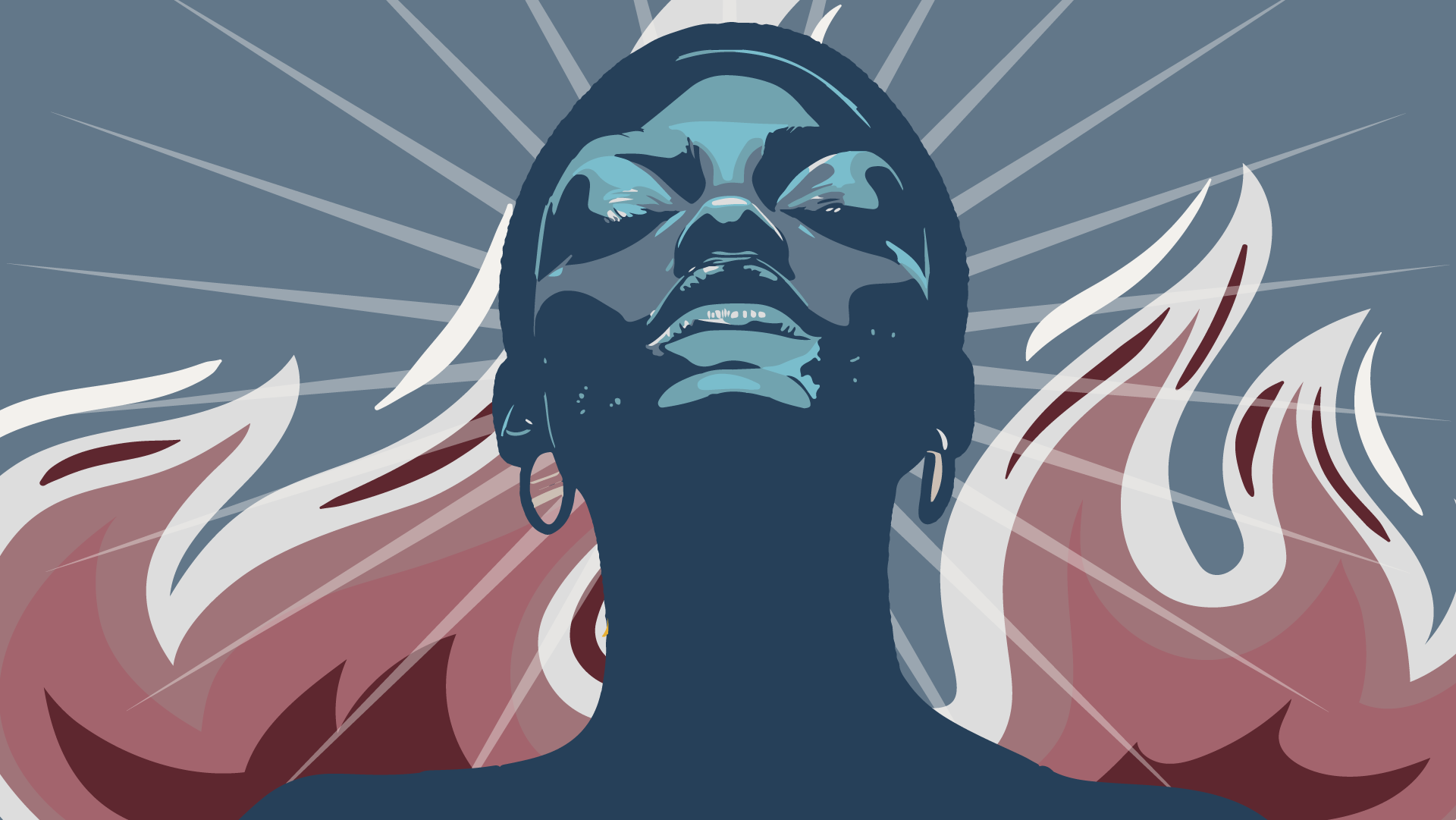
While the world’s attention pivots between economic summits and geopolitical conflicts, a quiet horror has been unfolding in the classrooms of Iran. Since November 2022, hundreds of Iranian schoolgirls have fallen victim to a series of suspected poisoning attacks. The symptoms, including respiratory distress, nausea, numbness, and weakness, strike without warning, turning schools into sites of terror and learning into an act of courage.
These young women, many as young as five or six, are not casualties of a foreign adversary but allegedly of forces within their own country. Officials have floated theories, pointing to foreign interference or individual actors seeking to shut down girls’ education. Yet as of this writing, no one has been held accountable, and the attacks continue.
This crisis is not an isolated incident. It is a lens through which to view the broader plight of children across the majority world, the Global South, where nearly 90 percent of the world’s youth live. In 2026, UNICEF estimates that more than 200 million children will require humanitarian assistance across 133 countries and territories. From the Sahel to Southeast Asia, children face threats that the developed world watches with muted urgency.
The Weaponization of Fear
In Iran, the targeting of schoolgirls carries weight. It follows the Woman, Life, Freedom movement, which erupted after the death of Mahsa Amini while in the custody of the morality police. By poisoning girls in their schools, perpetrators send a message: even education is unsafe. It is a strategy designed to roll back the autonomy of women and girls.
A Global Pattern of Neglect
The suffering of these Iranian girls mirrors the struggles of children elsewhere, where childhood is under assault from multiple directions. According to recent data, more than 460 million children, one in six, now live in or are fleeing from armed conflict zones. Here are some of the crises demanding attention.
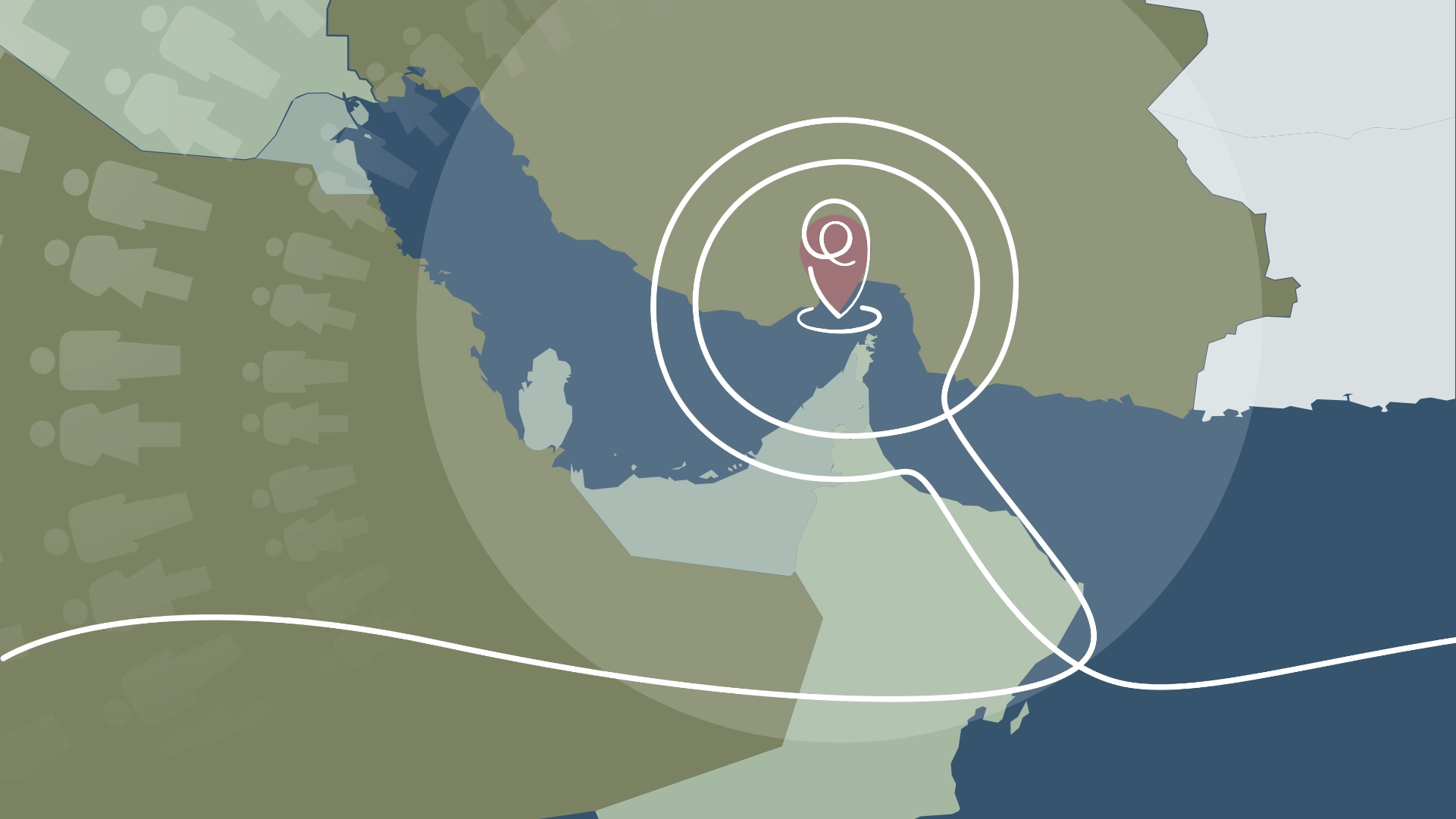
In Yemen, children have endured over a decade of war. Since the conflict escalated in 2015, more than 11,500 children have been killed or injured. Today, 9.8 million children need urgent humanitarian aid. Half of all children under five suffer from acute malnutrition. With 4.5 million children out of school, rates of child labour, child marriage, and recruitment by armed groups are soaring. The climate crisis compounds the devastation: flash floods and droughts destroy water systems, fuel disease outbreaks, and push families into displacement, exposing children to greater risks of exploitation.
In Sudan, fighting escalated into full-scale civil war in April 2023, creating the world’s largest child displacement crisis. An estimated 5 million children have been forced from their homes. Health systems have collapsed. Famine looms. Schools remain closed. For girls, the risk of sexual violence has surged.
In Haiti, decades of political instability, natural disasters, and gang violence have pushed children to the brink. More than 3 million children need humanitarian assistance. Ninety percent of the population lives in poverty. Desperation led to a 200 percent increase in the recruitment of children by armed groups in 2025 alone.
In Afghanistan, humanitarian needs continue to escalate amid economic decline and natural disasters. Nearly 11.6 million children require support. Restrictions on women and girls have erased many from public life. Girls are banned from secondary schools entirely.
In the Democratic Republic of Congo, renewed violence, disease outbreaks including cholera, measles, and mpox, and climate-related disasters have upended millions of young lives. Children are killed, maimed, abducted, and recruited into armed groups. Gender-based violence has reached alarming levels.
In Myanmar, the 2021 military takeover and a devastating 7.7-magnitude earthquake in March 2025 have left 6.9 million children in urgent need. Conflict has displaced families. Landmine incidents are rising. Child marriage and forced recruitment have become grave threats.
In South Sudan, ongoing conflict, economic hardship, and relentless flooding have left around 5 million children in crisis. More than 2.1 million children under five are at risk of malnutrition. Almost half of all girls are forced into child marriage. Sixty-five percent of women and girls have experienced violence. Funding cuts have forced the closure of more than one-third of UNICEF-supported safe spaces for women and children.
In the Pacific Islands, including Fiji, Tonga, and Vanuatu, climate change is an existential threat. Rising sea levels, cyclones, and droughts are displacing communities and destroying livelihoods. Rates of violence against children are among the highest in the world. Eighty percent of child deaths under five occur in the first year of life.
The Hidden Crisis of Child Labour
Beyond conflict zones, economic desperation forces millions into hazardous work. In the Gambia, an estimated 28 percent of children aged 5 to 17 are engaged in child labour, nearly half in hazardous work like street vending. Girls withdrawn for labour are three times less likely than boys to return to school, leaving them vulnerable to early marriage and exploitation. As one child rights activist put it, “When we see children vending in traffic, in markets, at night, we should know something is fundamentally broken.”
Climate Change as a Threat Multiplier
Across the majority world, climate change intensifies every existing vulnerability. In Zambia, El Niño-induced drought has destroyed crops, pushing families into hunger and forcing girls into survival sex or early marriage to help their families survive. In Yemen, climate shocks are destroying water systems and fuelling disease while girls are sent on longer, more dangerous journeys to collect water. UNICEF’s Eastern and Southern Africa Regional Office calls the climate crisis a “threat multiplier,” one that aggravates poverty, undermines protective systems, and triggers new conflicts over scarce resources.
Violence in the Home
For hundreds of millions more, the danger lies not in the streets or battlefields but behind closed doors. New UNICEF data shows that 610 million children globally, more than one in four, live with mothers who have experienced intimate partner violence in the past year. In Oceania, more than half of all children are exposed to such violence. In sub-Saharan Africa, it is 187 million children. In Central and Southern Asia, 201 million. Even when children are not physically abused themselves, witnessing violence leaves deep emotional scars and perpetuates cycles of abuse across generations.
A Generation at Risk
The scale of deprivation is staggering. A UNICEF report warns that 417 million children are severely deprived of at least two basic needs, including nutrition, sanitation, healthcare, or education. The highest levels are in Sub-Saharan Africa and South Asia. In Chad, 64 percent of children face two or more severe deprivations. Without urgent action, funding cuts could push six million more children out of school by next year.
A Call for Unwavering Attention
The poisoning of Iranian schoolgirls must not become just another fleeting headline. It demands international investigation, medical support for the victims, and unified condemnation. But it also demands that we see the broader crisis: the children of Yemen, Sudan, Haiti, Afghanistan, DRC, Myanmar, South Sudan, the Pacific, and countless other places. Each carrying burdens no child should carry.
Their plight is a test of our shared humanity. And so far, we are failing.
This piece was written for the March 2026 edition of Postscripts, Shamillah Wilson’s monthly round-up of what’s been happening in feminist circles, her work, and some recommended reading suggestions.