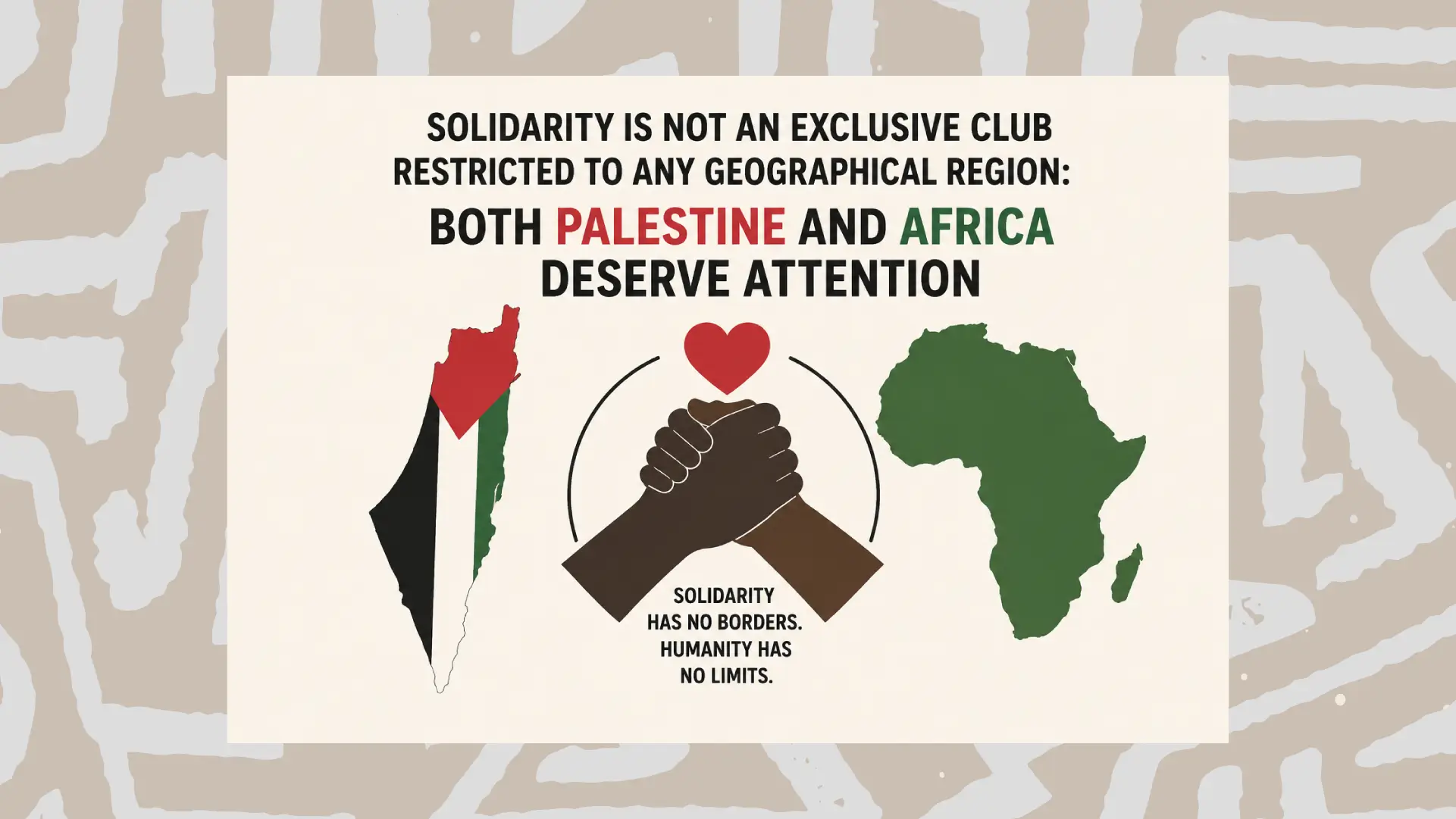
Image source: United4Palestine Facebook Post
For those of you who feel helpless when confronted by the atrocities being broadcast in real time in Gaza and the West Bank, consider the following questions: What do Fatti’s and Moni’s, Simba chips and meat have in common? And what do they have to do with McDonald’s, Zara and Starbucks?
The first three were the subject of consumer boycotts in support of workers in the 70s and 80s in apartheid South Africa, and the last three are the target of boycotts against companies linked to the genocidal, apartheid Israeli occupiers. These examples illustrate the power each of us has to impact injustice by using our consumer power. Withholding your money from companies that don’t align with your values can feel empowering. Aggregated, it can have real power. Ask Starbucks, which admits to declining sales and profits.
Boycotts have long served as powerful tools of social and political change: a way for ordinary people to wield economic influence to challenge injustice and demand transformation. Their effectiveness rests in collective action that puts real financial and reputational pressure on entities complicit in unjust systems. The legacy of boycotts in South Africa during the anti-apartheid struggle illustrates this vividly, while current movements like Boycott, Divestment and Sanctions (BDS) against Israel showcase how this tactic persists in global human rights advocacy today.
Boycotts in the anti-apartheid struggle
In the 1970s and 1980s, South Africa experienced widespread boycotts organised by grassroots groups, trade unions, students and international allies as part of a multipronged campaign against the apartheid regime.
- Consumer Boycotts focused on white-owned businesses and companies collaborating with apartheid authorities. Community-led initiatives, often under the banner of organisations like the United Democratic Front (UDF), targeted shops, supermarkets and services. In places like Port Elizabeth, these boycotts became near-total, severely affecting the profitability of targeted businesses.
- School boycotts, triggered by events like the 1976 Soweto students protest against inferior apartheid education. These boycotts lasted months in some areas, leading to school closures and mass arrests, but maintained the momentum of youth resistance.
- Cultural and academic boycotts led by the Anti-Apartheid Movement (AAM) cut ties with South African sporting events, cultural exchanges, and universities, isolating the regime on the global stage. This international solidarity added immense political weight to the internal resistance.
- Workplace Boycotts and Strikes, such as the famous 1979 Fatti’s and Moni’s strike in Cape Town, demanded union recognition and fair labour conditions. Supported by community groups and students, the seven-month boycott successfully pressured the company to negotiate, marking a pivotal moment in labour activism.
- International Boycotts and Divestment Campaigns targeted companies like Barclays Bank and Shell, which were financially or operationally entangled with apartheid. Sustained pressure, including protests and account closures, led Barclays to withdraw from South Africa in 1986 and hindered Shell’s market position in key countries, deepening the economic isolation of the regime.
These coordinated boycotts across various fronts contributed significantly to the growing social unrest that eventually dismantled apartheid. They demonstrated the profound economic and moral impact of collective consumer and worker action.
The dual purpose of boycotts: protest and empowerment
Multinational corporations involved in the occupation today dominate key sectors, strangling local Palestinian industry and limiting the growth of indigenous businesses. Israeli companies have overwhelming control in sectors like agriculture, exporting settlement produce under multinational labels while marginalising Palestinian farmers who face severe restrictions on land access and market participation. In the tech sector, Israeli firms monopolise infrastructure and funding, which stifles Palestinian startups and economic independence. Boycotts against these companies fulfil two vital functions: they act as public protest against injustices and as economic tools that empower local industries. For example, Palestinian-made olive oil, handicrafts, and other products have gained in international markets thanks to boycott-driven consumer support, creating local jobs and resilience. This dual impact, which challenges corporate complicity while building community economies, makes boycotts a potent instrument of both resistance and reconstruction.
The legacy and contemporary impact of boycotts: The BDS movement
The tactic of boycotting has moved from historical struggles like apartheid South Africa into ongoing global human rights campaigns. Most notably, the Boycott, Divestment, and Sanctions (BDS) movement against Israel seeks to pressure Israeli policies in the occupied Palestinian territories by urging consumers, investors and governments to disengage from companies and institutions implicated in alleged violations.
- Economic Pressure on Arms and Tech Contracts: Several international arms manufacturers and technology firms have faced boycotts and contract withdrawals linked to their operations in Israel, with governments and corporations reassessing or terminating engagements in response to public pressure tied to human rights concerns. Palestine Action has played a significant role in pressuring Albert Systems, an Israeli security firm contributing to increased scrutiny and debate within the UK about ethical procurement and the government’s role in upholding international law, and the UK government’s unpopular proscribing of Palestine Action.
- Consumer Business Pressure: Global brands like McDonald’s and Starbucks have reported regional sales declines correlated with consumer boycotts and activist campaigns. The reputational impacts prompt companies to issue statements or reconsider their roles in contested political contexts.
- Tech Industry Scrutiny: Major players like Amazon Web Services (AWS) and Google have come under fire for providing cloud and AI services that support Israeli government and military functions, including systems associated with surveillance and mass detentions. These controversies have sparked deeper debates about corporate complicity and ethical responsibility in conflict zones.
From the streets and shops of apartheid South Africa to international boardrooms and digital platforms today, boycotts persist as profound expressions of collective economic agency. They amplify moral outrage and translate it into tangible financial and reputational costs, compelling businesses and governments to reconsider their roles in sustaining injustices.
Boycotts remind us that consumers, workers and citizens hold significant power – power capable of challenging entrenched systems and shaping a more just world. As history and current struggles reveal, solidarity, persistence and economic activism remain essential tools in the quest for human rights and dignity.
This piece was written for the August 2025 edition of Postscripts, Shamillah Wilson’s monthly round-up of what’s been happening in feminist circles, her work, and some recommended reading suggestions.