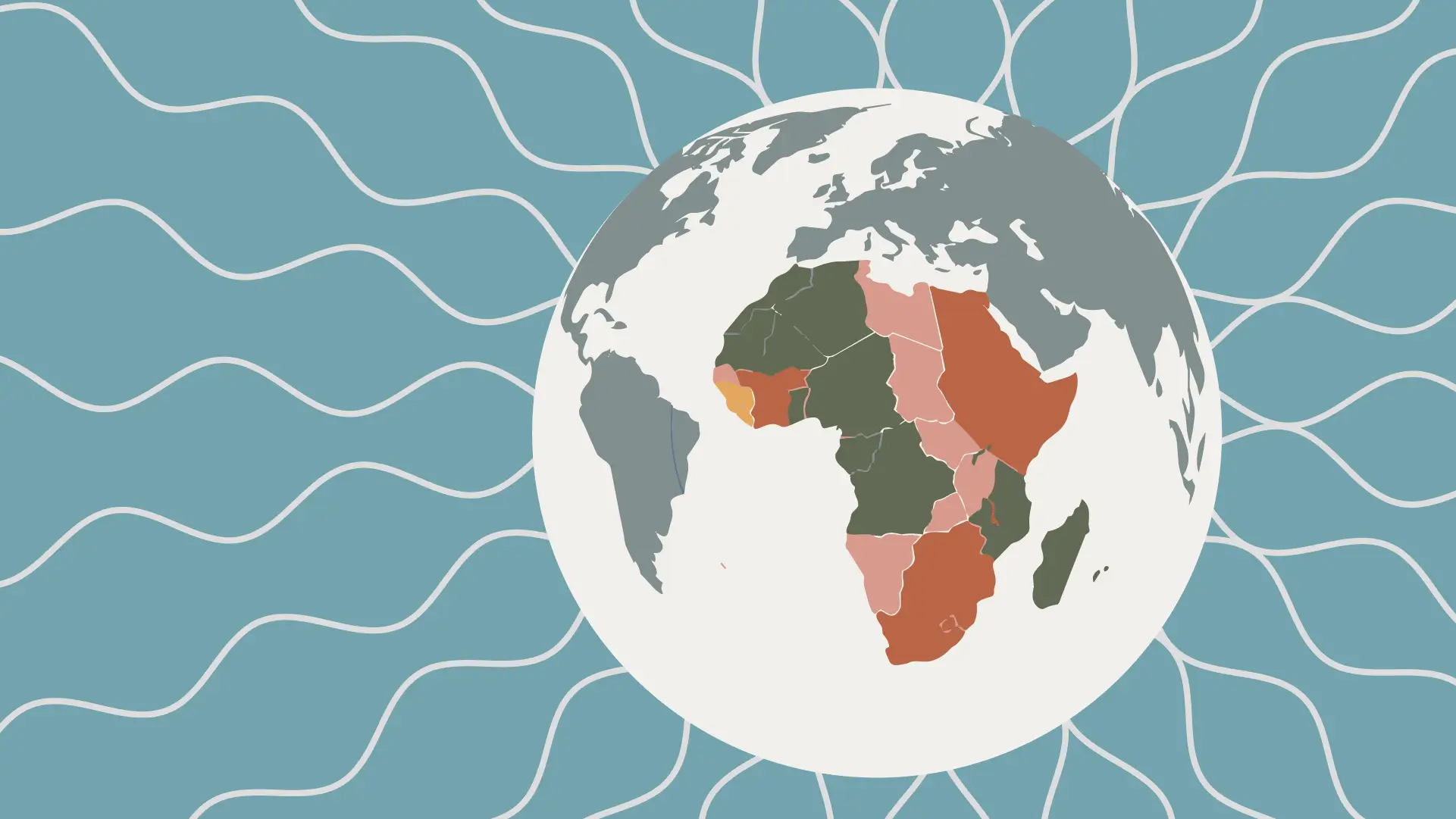
In townships from Gugulethu to Johannesburg, a powerful financial engine hums, built not on complex algorithms but on a foundation of trust and mutual need. This is the world of the stokvel – South Africa’s iconic informal savings clubs, where members pool their resources to create collective wealth.
“If you want to go fast, go alone. If you want to go far, go together.” This African proverb is the beating heart of the stokvel. For millions in South Africa, these informal savings clubs are a vital financial engine built on the principle that collective action builds a future no one could construct alone. For millions, stokvels are the very path they create through disciplined collective action.
Stokvels are far more than simple savings pools; they are a multifaceted tool for financial and social resilience. Members make regular contributions into a communal pot, which is then paid out as a lump sum to each member in rotation or used for agreed-upon goals – from buying groceries in bulk to covering funeral expenses. The benefits are profound. They instil disciplined saving habits, provide access to capital that would be impossible to save alone, and act as a crucial informal insurance network. Research consistently shows that they significantly contribute to financial inclusion and household well-being in communities where formal banking may be inaccessible or untrustworthy.
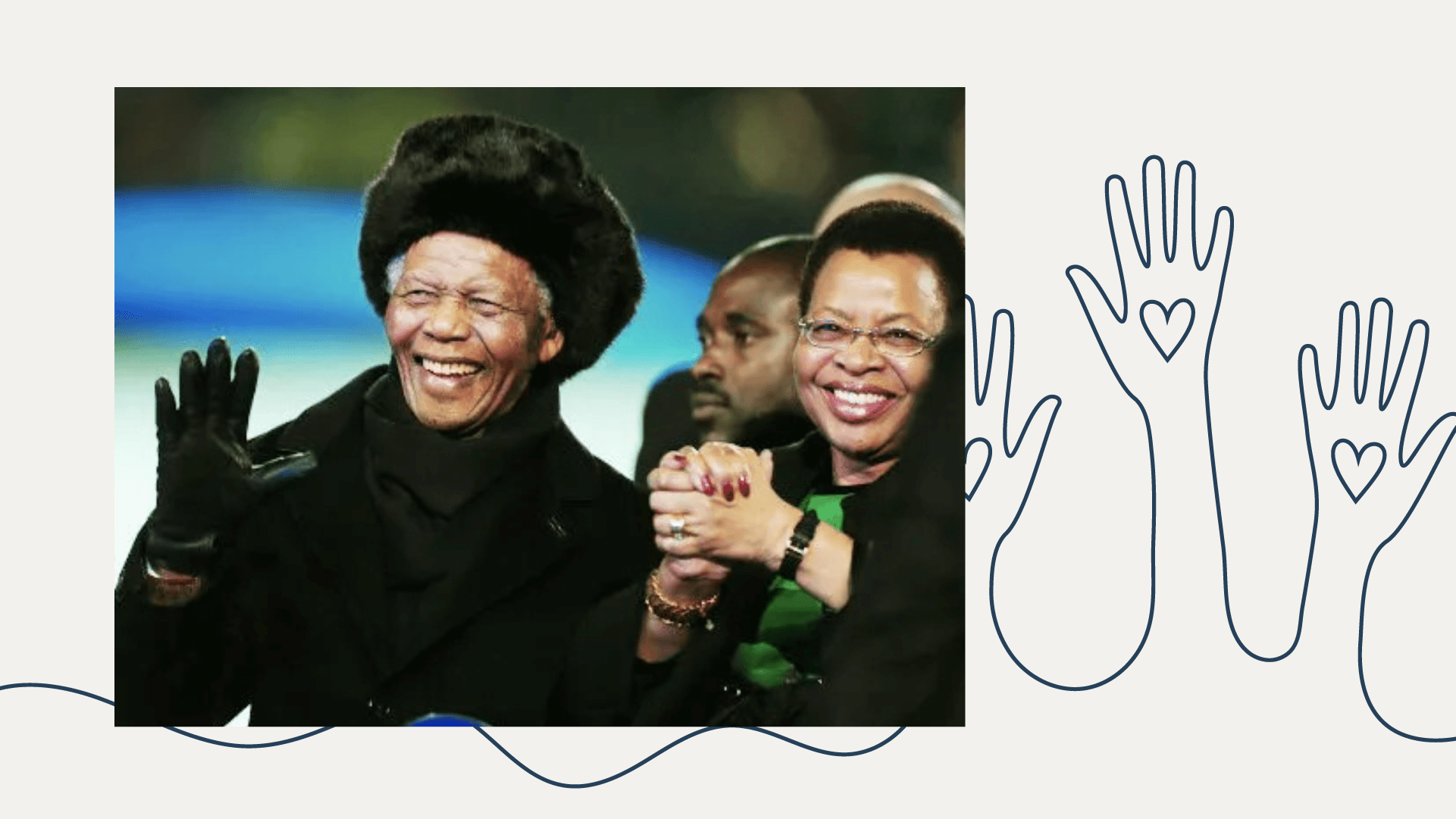
The transformative power is vividly illustrated by groups like the Masakhe Ladies’ Stokvel in Cape Town. Founded in 2019 by sisters Jeanette Nobantu Kenya Malgas and Nyama-Plati, the stokvel saw 40 women contribute R2,500 monthly. “Each month, one lady received the total amount of 100,000 rand… They had to immediately use it for building materials and builders, not for food, clothes or cars,” Malgas explained. The result? Within three years, the stokvel had built 36 new houses and improved others. Malgas calls it “the gift that keeps giving,” a sentiment echoed by members like Patricia George, for whom the group became a lifeline during personal hardship.
This model of community finance is not unique to South Africa. It is part of a vast, global tapestry of collective saving. Around the world, these groups operate under different names but share the same core principles.
ROSCAs (Rotating Savings and Credit Associations) are the direct equivalent, found from Asia to the Americas.
- In Latin America, they are known as Tandas.
- In China and parts of Asia, they are called Hui.
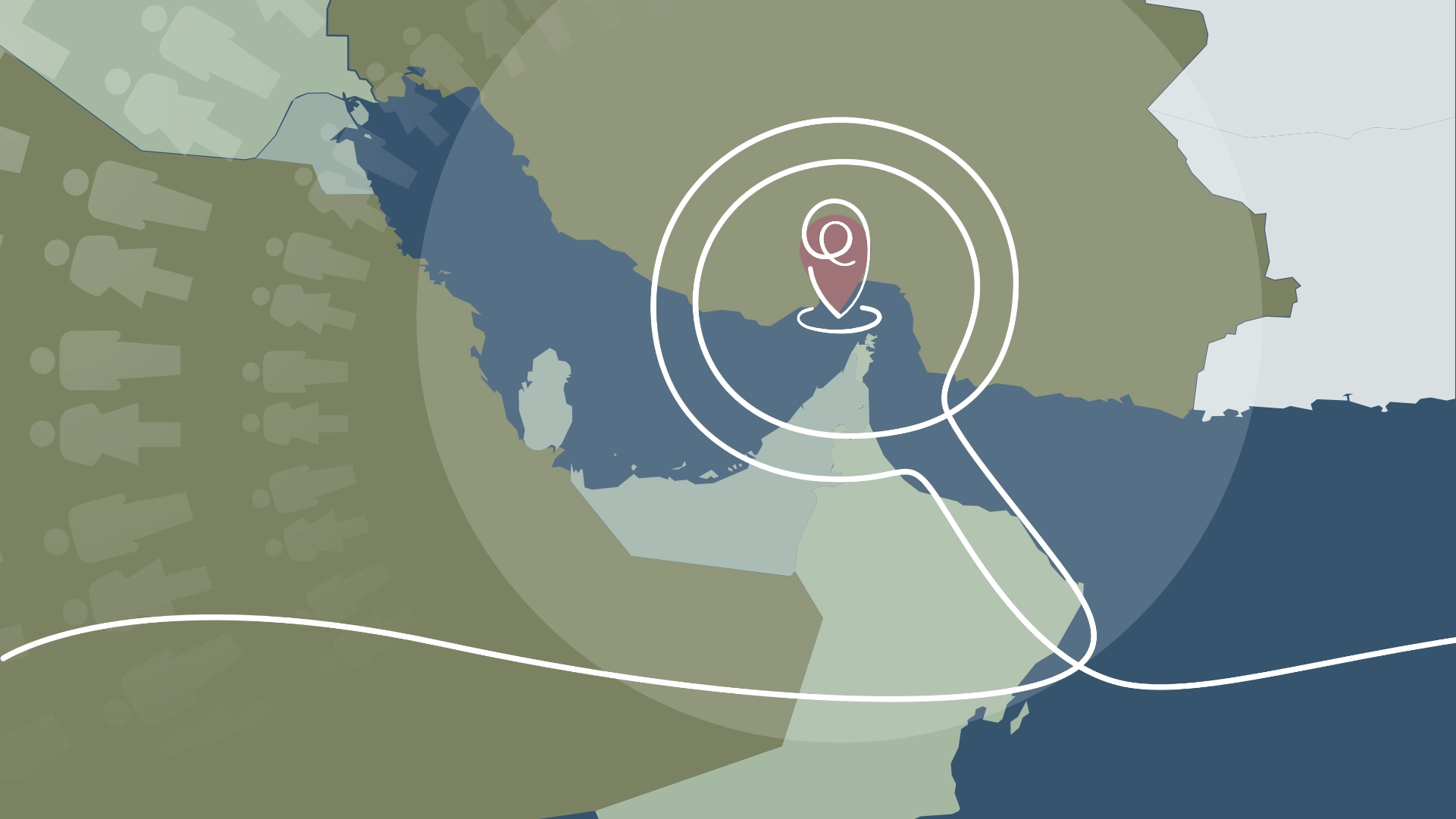
- In the Middle East, the Gam’eya serves a similar purpose.
These groups all fulfil a universal need: creating financial pathways through cooperation. As Ncumisa Ndelu, founder of the Facebook group 1 Family 1 Stockpile, observes, the principle is about empowerment. While her focus is on smart spending, she acknowledges stokvels as crucial tools, highlighting that when women share financial strategies, it “empowers others to thrive.”
However, the path is not without its risks. The very informality that makes stokvels accessible also leaves them vulnerable. High-profile cases of treasurers absconding with funds or sophisticated social-media scams have wiped out the savings of thousands. The lack of formal oversight can lead to mismanagement and devastating losses, eroding the trust upon which the system is built.
The future, therefore, lies in blending this powerful community model with modern safeguards. The move towards formalisation is gaining momentum. Banks now offer dedicated stokvel accounts, providing a safer custodial home for funds. Experts recommend that groups write a clear constitution, rotate treasurer duties, keep transparent records, and consider registering with bodies like the National Stokvel Association of South Africa (NASASA). Digital platforms are also emerging, offering greater transparency and lower administrative burdens – though they, too, require careful vetting.
In essence, stokvels and their global cousins represent a profound truth: people have always found ways to support one another financially. They are a testament to human ingenuity and solidarity. When operated with clear rules, transparency, and prudent safeguards, they remain an indispensable tool – not just for saving money, but for building futures, one collective contribution at a time.

References & Further Reading:
- National Stokvel Association of South Africa (NASASA). (https://nasasa.co.za/)
- SaveAct. Impact Report on savings groups. (https://saveact.org.za/)
- Moneyweb. “Banks see surge in stokvel deposits.” (https://www.moneyweb.co.za/)
- News24 & Daily Maverick investigations into stokvel fraud.
- Stellenbosch Business School. “Determining the potential of informal savings groups.”
- FinMark Trust. Savings Groups Impact Study. (https://www.finmark.org.za/)