Africa’s tiny emissions footprint
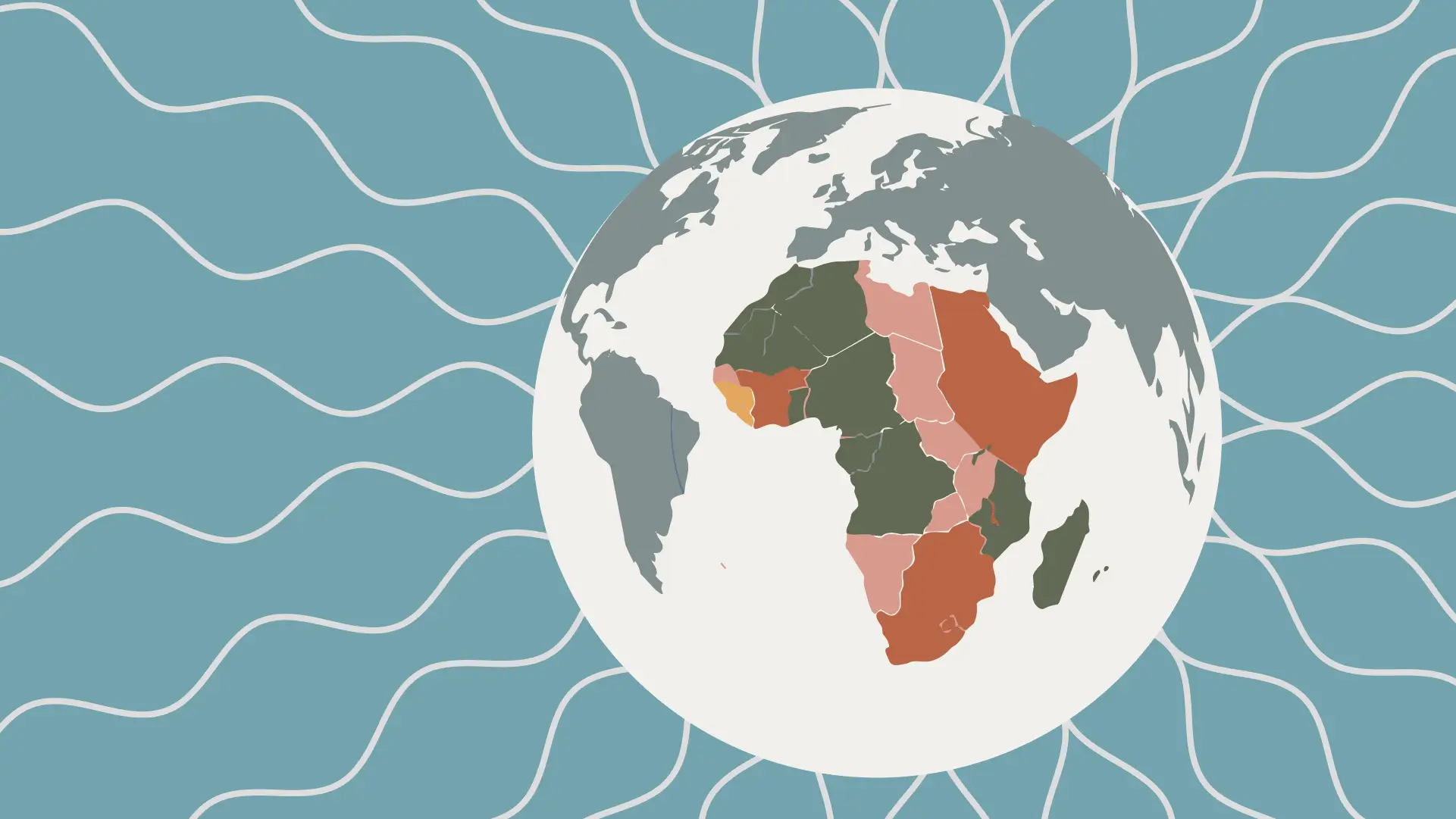
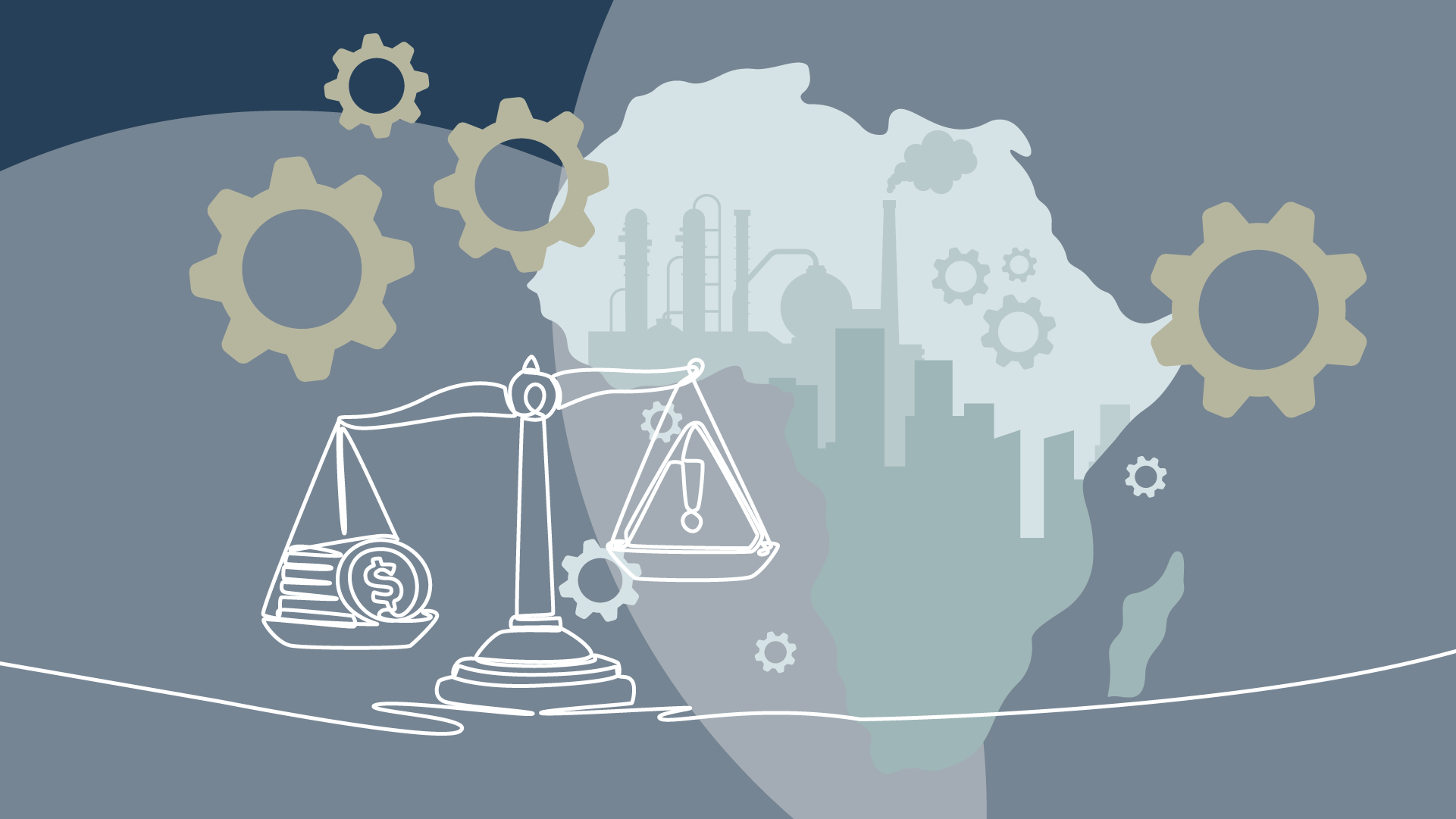
Sub-Saharan Africa contributes just 2.8% of annual global CO2 emissions and a mere 1.9% cumulatively since 1750, despite housing 16% of the world’s population. Excluding South Africa, the 48 other countries account for only 0.6% of historical emissions (less than Belgium), while per capita output in places like Chad and Niger amounts to a fraction of an American’s daily use. This stems from energy poverty, not green innovation: over 80-90% lack electricity in many nations, leaving them powerless against climate shocks they scarcely caused.
Africa as a whole emits 2-3% of greenhouse gases. Yet the continent loses 2-5% of GDP yearly to disasters like droughts and floods, needing to divert 9% of budgets to coping with these emergencies. Nations like Chad, Somalia, Niger and Madagascar rank among the world’s top 10 most climate-vulnerable, per the ND-GAIN Index, due to rain-fed agriculture and weak infrastructure.
Defining climate apartheid
“Climate apartheid” describes a system where wealthy, high-emission nations shield themselves from warming’s worst effects, while the Global South, those least responsible, endures the fallout. In Africa, this manifests as intensified cyclones, droughts and floods despite negligible emissions; Madagascar, at 0.09% of global GHGs, is an example.
Madagascar: Ground Zero
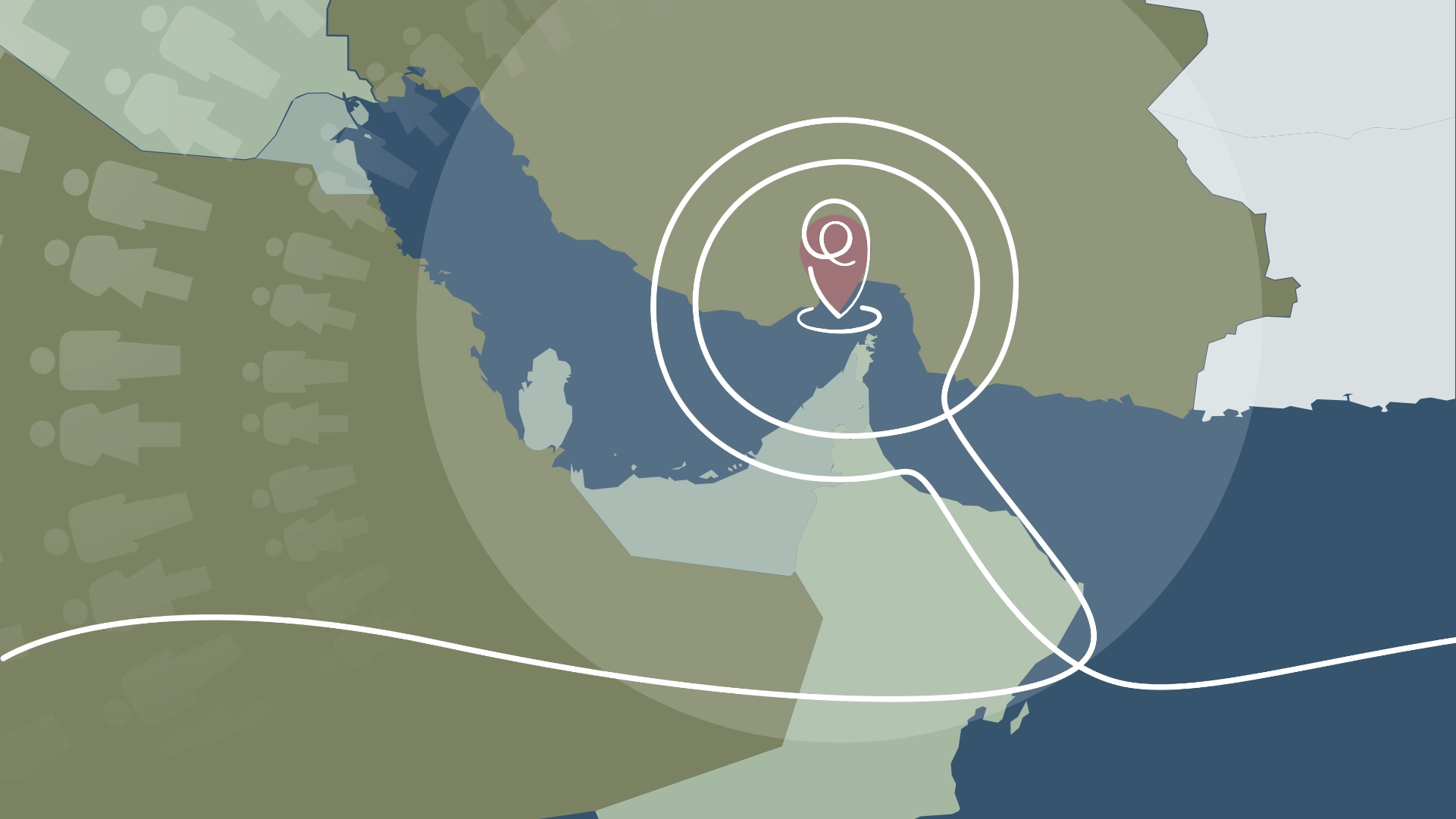
Madagascar endures relentless cyclones like 2026’s Fytia and Gezani, causing floods, 1.3 million at Category 1+ wind risk, and acute food insecurity for 1.7 million amid 38% child malnutrition rates. Ranking high in hazard vulnerability (5.7/10 INFORM Index), it faces compounded shocks from poverty and governance failures, turning rice scarcity into daily desperation. These events, worsened by climate change, devastate agriculture, the economy’s backbone, while global emitters debate solutions.
Broader African toll
Somalia, emitting just 1.02 tCO2e per capita (vs. global 6.73), battles droughts slashing livestock and crops, river depletion in Jubba-Shabelle basins, and projected 1.5-2.5°C warming by 2050 with erratic rains. Sahel nations like Chad and Niger suffer desertification and floods; Mozambique and Malawi face cyclone clusters like Ana and Batsirai, with climate change boosting rainfall intensity. Food systems collapse, economies falter, and displacement surges across these low-emission hotspots.
| Country/Region | GHG Contribution | Key Impacts | Vulnerability Rank |
|---|---|---|---|
| Madagascar | 0.09% global | Cyclones, malnutrition (38% children) | Top 5 |
| Somalia | 1.02 tCO2e/capita | Droughts, floods, crop loss | High INFORM |
| Sub-Saharan Africa (ex-SA) | 0.6% cumulative | Energy poverty, disasters | ND-GAIN top 10 (e.g., Chad, Niger) |
| Mozambique/Malawi | Low per capita | Cyclone rainfall +20% | Extreme flood risk |
Women’s disproportionate burden
Women, comprising 50% of Africa’s agricultural workforce, bear climate change’s heaviest load through water fetching, farming and childcare amid resource scarcity. In West Africa, droughts and floods exacerbate gender inequalities, limiting land/credit access and fueling food insecurity, migration, and abuse risks. They face 80% of climate displacement, higher gender-based violence during crises, and poverty traps as harvests fail. Tasks like fonio farming offer resilience but demand support.
In Madagascar and Sahel contexts, women sweep rice grains for survival or migrate urbanward, exposed to exploitation. Pan-African feminism highlights this as an intertwined injustice, urging investment in women-led adaptation.
Justice demands
Africa’s climate paradox demands reparative finance, tech transfer, and emissions cuts from high emitters to end this apartheid. Leaders must prioritise resilience for women farmers and vulnerable states, ensuring low-contributors like Madagascar aren’t forgotten amid AI hype and elite projects. Global solidarity, not rhetoric, is the path to survival.
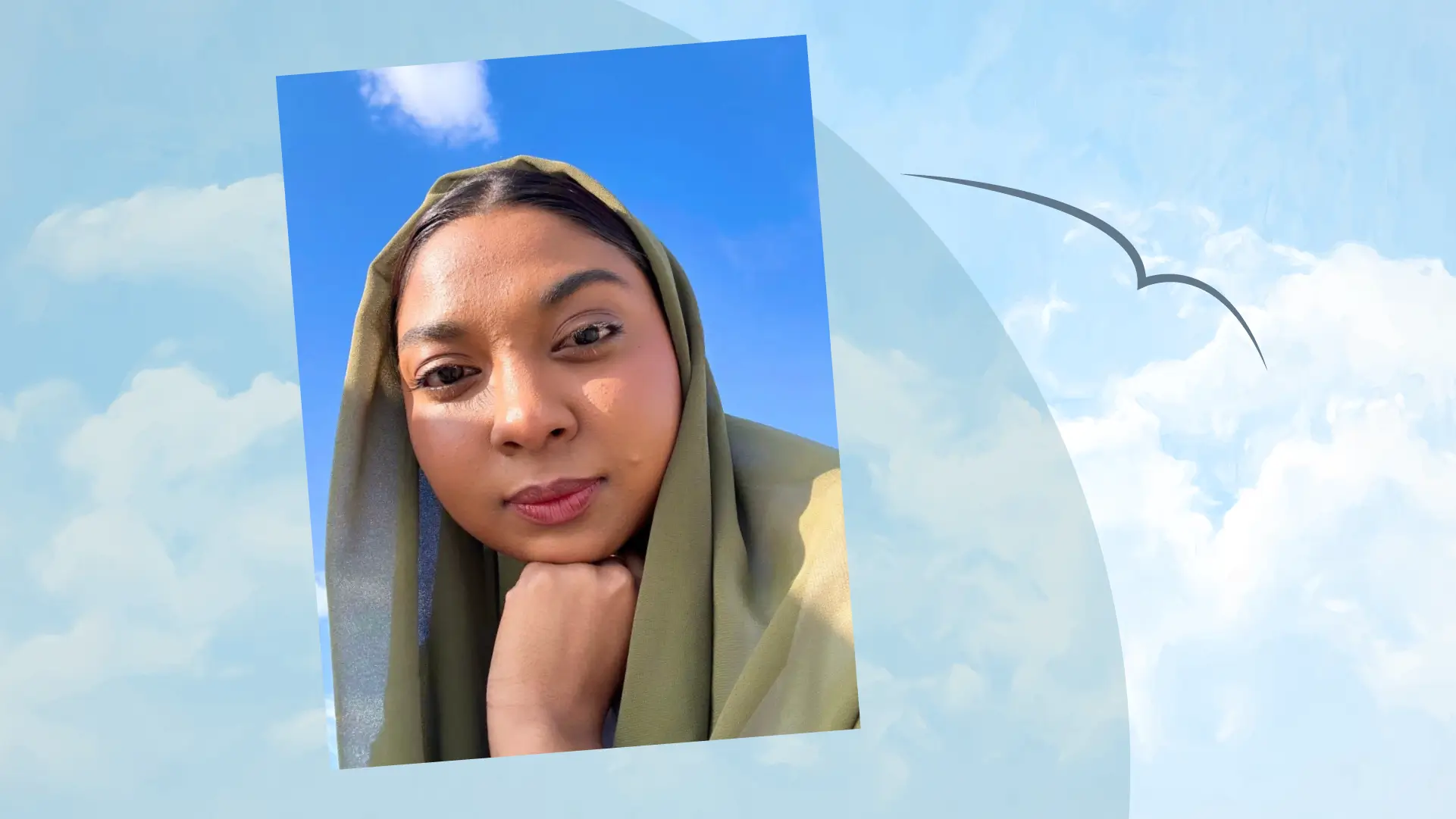
This piece was written for the February 2026 edition of Postscripts, Shamillah Wilson’s monthly round-up of what’s been happening in feminist circles, her work, and some recommended reading suggestions.