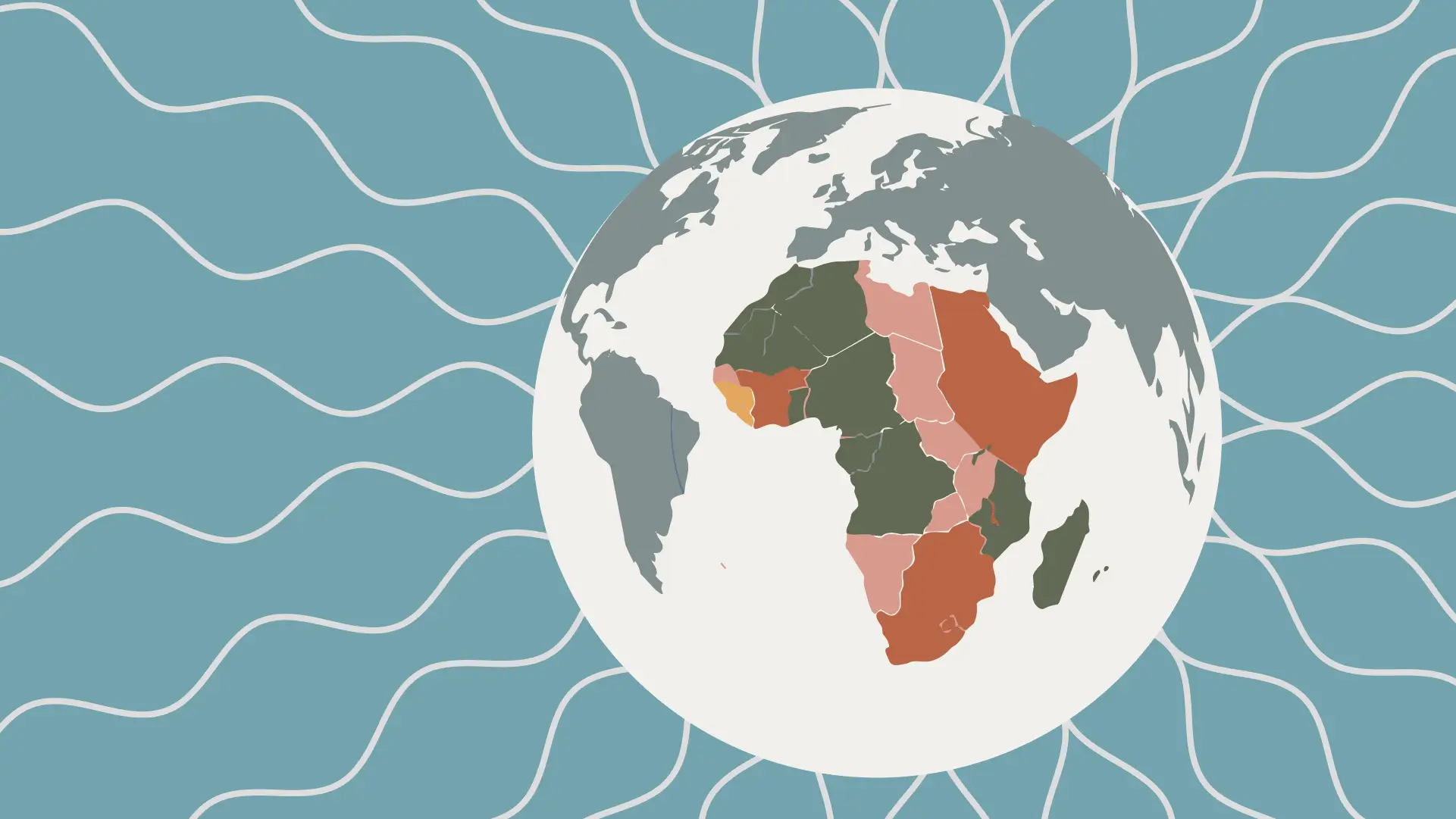
While another article in Postscripts (Climate apartheid’s harvest: How climate change is starving Africa) outlines the devastating effects of climate change in many African countries, here we spotlight examples of African ingenuity countering food insecurity. From Kenya’s soil-reviving agroforestry to Ethiopia’s life-saving apps, communities are pioneering solutions amid famine threats. These innovations prove adaptation is possible … and scalable.
Kenya’s agroforestry revival
Kenya’s National Agroforestry Strategy (2025–2035) boosts smallholder yields and restores degraded soils by integrating trees with crops and livestock. In western Kenya, fertiliser-tree fallows double maize output and curb erosion—as seen in Embu County, where CIFOR-ICRAF projects revived soils depleted for decades. Beyond fertility, this tree-crop synergy sequesters carbon, improves water retention, and generates income from fruit and timber. With agriculture employing roughly 70 per cent of Kenya’s rural population, tree-based farming offers smallholders diversified revenue, higher productivity, and stronger resilience to climate shocks.
Ethiopia’s Early Warning Lifeline
Ethiopia’s Multi-Hazard Alert Zero-gap and Universal (MAZU) system, rolled out in 2026, delivers timely flood and drought alerts via SMS and apps, enabling anticipatory actions that saved thousands during the 2025 crises. In Oromia and southern regions, WFP-backed tools link forecasts to community plans, averting livestock losses and crop failures, e.g., pastoralists evacuated 48 hours ahead of flash floods. UNDP training bolsters local meteorologists, ensuring data reaches remote woreadas.
Broader African breakthroughs
Rwanda’s solar-powered kiosks purify borehole water sustainably, slashing energy costs for filtration and powering phone charging/WiFi in rural areas. South Africa’s WaterNext app predicts shortages for township farmers, while Nigeria’s farmer-herder peace apps reduce conflict over shrinking pastures. These homegrown tools blend indigenous knowledge with tech, fostering food sovereignty.
Scaling for Justice
With 123 million Africans hungry from climate shocks, these innovations demand investment and call for replication and scaling. Africa’s emitting just 4% globally underscores the reparations case, which should include supporting local geniuses like Kenya’s tree farmers and Ethiopia’s alert networks to harvest resilience, not despair.
This piece was written for the April 2026 edition of Postscripts, Shamillah Wilson’s monthly round-up of what’s been happening in feminist circles, her work, and some recommended reading suggestions.