“The system protects the abuser,
not because it doesn’t know,
but because it is implicit.
It is not a flaw; it is a feature.”— Lydia Cacho, Mexican journalist and feminist activist
There is a particular violence in draping the architecture of suffering in the language of peace. It is a violence we know well as feminists, who have watched patriarchal institutions award themselves for “empowering” us while dismantling the systems that allow us to thrive. So when the news broke that Maria Corina Machado was to receive the Nobel Peace Prize, the feeling was not surprise, but a weary, familiar grief. It was the grief of seeing a narrative weaponised, of watching a story of collective punishment be rewritten as a heroic fable.
This is not an argument about politics in the abstract. It is about the body. It is about the quiet, relentless violence that seeps into the marrow of a society and calls itself policy. It is about the bodies of women who queue for hours for medicine that never comes, because the economic arteries of their country have been deliberately severed. It is about the bodies of children whose growth is stunted by a blockade they cannot name.
This is the “peace” that Machado has championed, a peace built on the premise of making an entire people so hungry, so sick, so exhausted, that they will surrender their sovereignty. Her story is not one of gentle resistance. It is a story written in the ink of the Carmona Decree, a document she signed that sought to erase a nation’s constitution overnight. It is a story told in the ashes of the guarimbas – the violent barricades where public buses were torched and Cuban doctors, the very embodiment of feminist internationalist care, were nearly burned alive. It is a story whispered in the hollow eyes of mothers who cannot find insulin for their diabetic children, a direct consequence of the sanctions Machado has so ardently lobbied for in Washington.
This is the grim arithmetic she represents: that the suffering of the many is a worthy price for the power of the few. It is the same logic that bombs a Gazan maternity ward and calls it a necessary war. It is the logic of the patriarch, the coloniser, the extractor; the belief that life is disposable if it stands in the way of control.
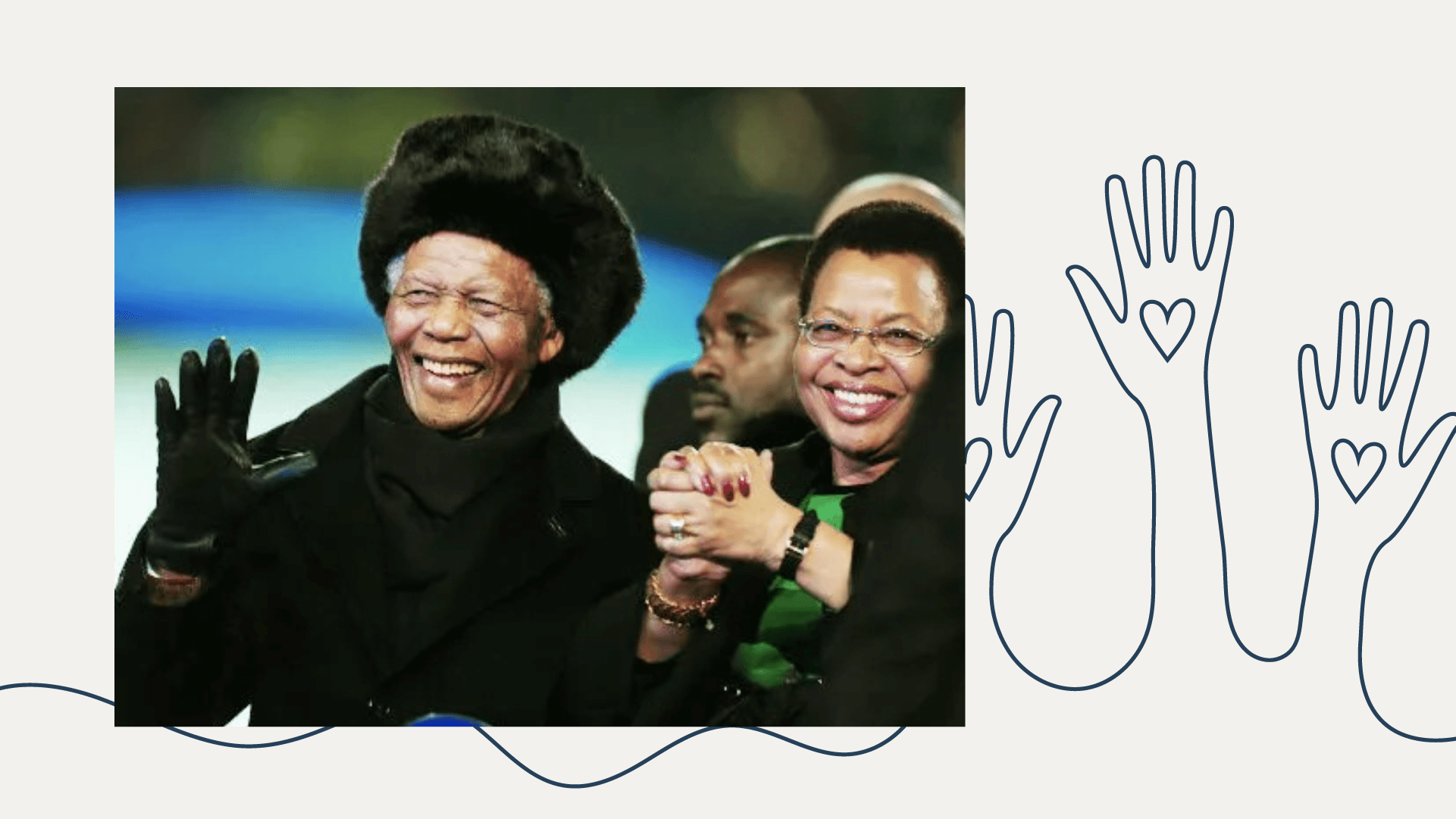
And so, the Nobel committee anoints her. In doing so, they perform the ultimate patriarchal sleight of hand: they sanctify the wound-maker and erase the healer. This act is part of a long and ignoble tradition, one that South Africa knows too well. We remember the bitter pill of watching F.W. de Klerk, the last president of apartheid, share the prize with Nelson Mandela. It was a reward for conceding to the inevitable, for overseeing a system that brutalised Black bodies, then being framed as a co-architect of its peaceful end. The prize has never fully accounted for the blood on his hands, choosing instead a narrative of reconciliation that often feels, to those who lived under the boot, like a premature absolution.
We remember, too, the hollow ring of Barack Obama’s 2009 prize, awarded not for deeds done but for promises made. His presidency normalised the extrajudicial assassination of civilians by drone, a sterile, long-distance violence that defined “peace” as the absence of American casualties, regardless of the funerals on the ground. This is the same man who now, in the context of Gaza, speaks of ceasefire deals while his legacy is one that perfected the very mechanics of remote-control killing.
The Peace Prize has always been a political instrument, but its gaze upon the Global South has been particularly conditional. It rewards those who make peace on the terms of the powerful, while ignoring those who challenge the very structures of power. Where is the prize for the Congolese women who have organised against decades of resource-fuelled war, whose bodies become the battlefield for our gadgets? Where was the prize for Thomas Sankara, who called for a united Africa free from the chains of debt and neo-colonialism, before he was gunned down? His transformative, feminist-forward vision of sovereignty was too dangerous to celebrate.
Instead, the prize has often been a crown placed upon the “good native,” the dissident who confirms a Western narrative of tyranny and salvation. It is a prize that, for the majority of the world, feels less like an honour and more like a weapon – a tool to legitimise interventions, sanctions, and the slow, grinding violence of economic strangulation. The peace it offers is the peace of the sanctioned, the pacified, the compliant.
Real peace has no stage. It has no committee. It is built in the subterranean networks of care that women have always cultivated. It is the Venezuelan grandmother stirring a communal pot of food to feed her neighbourhood in the face of scarcity. It is the Palestinian midwife delivering a baby in the dust of a bombed-out hospital. It is the African women marching for water rights, defending their seeds from corporate patents, and building solidarity economies that bypass the extractive systems the Nobel committee will never condemn.
This is the peace that terrifies empires. It is a peace that is not granted from above but built from below. It is collective, messy, and rooted in an unshakeable commitment to the sanctity of life.
The Nobel Peace Prize has chosen, once again, to crown the narrative of power. But we, as feminists from the Global South and in solidarity with it, know where the real work lies. It lies in refusing their story. It lies in turning our backs on the hollow crown in Oslo and bending our knees to the soil, to the shared pot, to the wounded body, and to the relentless, quiet work of holding a world together that they are so determined to tear apart.
Our peace is not in their prize. It is in our hands.
This piece was written for the October 2025 edition of Postscripts, Shamillah Wilson’s monthly round-up of what’s been happening in feminist circles, her work, and some recommended reading suggestions.