| African Country | US Tariff Rate (%) | Notes |
| South Africa | 30 | Highest tariff in sub-Saharan Africa; impacts automotive, agricultural, and textile exports |
| Algeria | 30 | High tariff similar to South Africa |
| Libya | 30 | High tariff imposed |
| Tunisia | 25 | Slightly lower than the above |
| Nigeria | 15 | Moderate tariff |
| Ghana | 15 | Moderate tariff |
| Lesotho | 15 | Previously, up to 50%, critical impact on textile industry employing 40,000 people |
| Zimbabwe | 15 | Moderate tariff |
| Kenya | 10 | Lower tariff helps textile exports |
| Ethiopia | 10 | Lower tariff shown to offer trade advantage |
| Madagascar | 47 | Very high tariff |
| Mauritius | 40 | Very high tariff |
| Botswana | 37 | Very high tariff |
| Angola | 32 | High tariff |
| Egypt | 10 | Lower tariff, strong textile export sector |
| Cameroon | 11 | Lower tariff |
| Democratic Republic of Congo | 11 | Lower tariff |
| Mozambique | 15 | Moderate tariff |
Most African countries not listed face a default 10% tariff rate. The tariffs are aimed at addressing trade deficits but have led to significant concerns about their impact on African exports, with many viewing them as punitive measures that could hamper economic growth and trade relations.
For months, African nations have braced for the impact of US tariffs, wondering if “TACO” (Trump Always Chickens Out) might save us. But in August 2025, these tariffs were finally enacted under a punitive formula that disproportionately affects smaller economies. Take Lesotho, a country of just two million people facing a catastrophic 50% tariff rate. This pressure has driven its government to declare a state of emergency in response to surging youth unemployment and economic instability.
South Africa, the continent’s largest economy, beset by profound inequality and unemployment, bears a heavy tariff burden too, at around 30%. The US tariffs target key sectors such as automotive, agricultural, and textiles, exacerbating challenges for a country already navigating a fractured political and economic terrain. South Africa’s principled stance against US ally Israel has only intensified hostility from the Trump administration, fueling alliances between external actors and South African politicians and political groups to undermine its sovereignty. Observing US interventions elsewhere — in Libya, Iraq, Haiti, Venezuela, where the US has just sent 4,000 troops, Taiwan, and the Rwanda and DR Congo — South Africa’s caution is well-founded.
In this complex global landscape, African countries acting individually face serious constraints in maximising their economic potential. But the continent’s real strength lies in collective action: pooling markets, harmonising policies, and leveraging unified frameworks like the African Continental Free Trade Area (AfCFTA). This coordinated approach amplifies bargaining power on the world stage, attracting investment and fostering regional value chains that benefit all members.
Strength in numbers: Regional integration as a game changer
Individually, African markets are often small and fragmented, which deters investment and limits industrial growth. However, by uniting to reduce tariffs, harmonise standards and enhance cross-border infrastructure, countries can create seamless trade corridors. These efforts would cut costs, ease the movement of goods and labour, and unlock enormous economic gains.
Shared development challenges, ranging from high unemployment to infrastructure deficits, demand joint solutions. Coordinated regional policies accelerate industrialisation, promote social inclusion, and foster resilience against external shocks. Moreover, stronger economic ties nurture peace and stability, prerequisites for sustained development, by increasing interdependencies that disincentivise conflict.
Ultimately, continental ambitions for industrialisation, climate resilience, and equitable growth are attainable only through unified action aligning national and African Union strategies. This integrated pursuit strengthens Africa’s global positioning on trade, finance, and sustainable development.
The role of tariffs in South Africa’s economic landscape
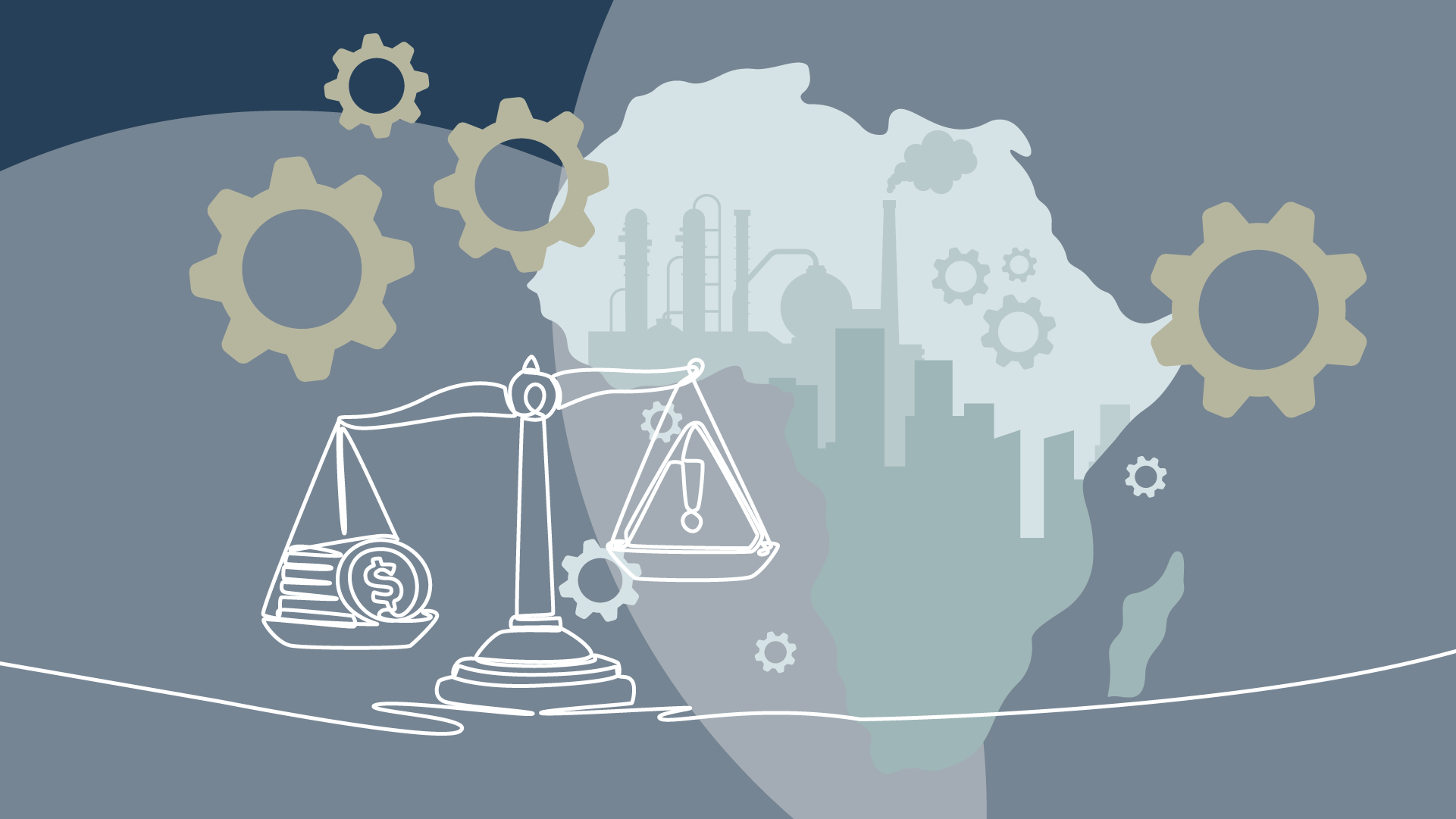
South Africa’s trade and tariff policy is pivotal for its economic justice and industrial growth. Tariffs, while often criticised as trade barriers, protect emerging industries from overwhelming foreign competition. They shield key sectors critical for jobs and innovation and serve as strategic levers toward sustainable industrialisation rather than mere protectionism.
However, South Africa confronts significant constraints in its trade regime. International agreements pressure tariff liberalisation, limiting the policy space needed to protect sensitive industries. Reduced tariffs can lead to cheaper imports that undercut domestic producers, risking job losses and deepening inequality. The Institute for Economic Justice (IEJ) emphasises the necessity of coherent policies that integrate tariffs with investments in skills, infrastructure, and technology to help sectors move up the value chain.
Comparing US tariff stances: Africa among many targets
The US tightened tariffs in 2025 with a variable structure reflecting geopolitical considerations:
- South Africa faces a 30% tariff on its exports to the US.
- Smaller economies like Lesotho face punitive 50% tariffs.
- Other African countries, including Botswana (37%) and Madagascar (47%), also bear very high levies.
- By contrast, major countries like India and Brazil face tariffs up to 50%; Canada at 35%, and Mexico at 25%.
This assertive US tariff regime serves as both a protective and punitive tool, underscoring the strategic importance of diversified trade partnerships and robust regional integration to mitigate external risks.
Unlocking Africa’s economic potential through Intra-African trade and AfCFTA
Despite Africa’s resource wealth and burgeoning markets, intra-continental trade remains a mere 16% of total trade, far behind Europe (70%) and Asia (60%). Increasing intra-African trade is crucial. It buffers against external shocks, promotes industrialisation, creates jobs, and stabilises economies.
The AfCFTA, launched in 2021, is transforming this outlook by establishing:
- A single market comprising 54 countries and 1.3 billion people, with a GDP of over $3.4 trillion.
- Elimination of tariffs on 90% of goods traded regionally.
- Enhanced trade in services and foreign direct investment are vital for industrial growth.
Expected gains are substantial: a 10% rise in GDP, a 45% boost in intra-African trade, improved manufacturing growth (notably South Africa’s manufacturing value-added likely to increase by $35.6 billion), and poverty reduction—potentially lifting 30 million Africans from extreme poverty by 2035.
Infrastructure investments like the Lobito Corridor and initiatives for trade facilitation underpin these advances. AfCFTA’s focus on inclusion also amplifies women and youth participation, essential for equitable growth.
Toward strategic trade reform: South Africa’s call for change
Contrasting the protective stance of high tariffs, a forward-thinking IEJ policy brief advocates for unilateral trade liberalisation as a means to reduce poverty and boost economic competitiveness in South Africa. Currently, steep tariffs inflate the cost of essential goods like clothing, food, and footwear, disproportionately burdening poor households—the poorest 10% face an effective tariff “tax” of 8.4%, nearly double that of the richest 10%.
Reducing tariffs would lower living costs immediately, increasing real incomes for millions. Furthermore, cheaper imported inputs would empower South African manufacturers to compete more effectively within Africa, leveraging AfCFTA’s expansive market.
This approach not only addresses internal inequities but strategically positions South Africa as an African trade leader. Liberalisation combined with regional integration encourages foreign investment and industrial diversification, crucial for resilient growth in an uncertain global trade environment.
Conclusion: Harnessing unity and trade strategy for Africa’s future
The US tariffs of 2025 spotlight the fragility of external trade dependencies and punitive trade tools driven by geopolitical motives. African countries, facing varied and often high tariffs, must therefore double down on unity and regional cooperation.
By leveraging the African Continental Free Trade Area and committing to strategic trade reforms—including thoughtful use of tariffs to protect critical sectors, while also embracing liberalisation where it reduces costs and enhances competitiveness—Africa can chart a more inclusive, resilient, and prosperous economic future.
South Africa, with its continental influence and industrial base, is poised to lead this transformation. The roadmap is clear: build regional value chains, unlock intra-African trade, and align trade policies with sustainable development and economic justice to ensure Africa’s ambitions are realised in a rapidly evolving global order.

Play a Role in Unlocking Africa’s Trade Potential
The grand vision of intra-African trade is more than just policy or government initiatives. It boils down to choices made by businesses and individuals like you. South African companies and entrepreneurs have an unprecedented opportunity to source products and services from partners across the continent, to showcase South African goods beyond borders, and to build regional value chains that benefit all Africans.
While governments have laid the groundwork, such as through the African Continental Free Trade Area (AfCFTA), eliminating tariffs on 90% of intra-African trade, progress depends on the private sector stepping up. When local companies place orders with African partners and consumers choose African-made products, they bring this vision to life.
Now is the moment to do your part:
- If you are a business owner, ask yourself: Can I diversify my suppliers or customers to include other African countries?
- If you’re a consumer, consider how your buying choices can empower African industries and create jobs across borders.
- If you are an innovator or investor, explore the emerging opportunities unlocked by a more integrated continental market.
Together, these actions will build resilience against external shocks like punitive US tariffs, strengthen economies, and foster the inclusive growth needed for a prosperous Africa.
Take the first step, reach out, collaborate, and trade within Africa. Your choice matters.
This piece was written for the August 2025 edition of Postscripts, Shamillah Wilson’s monthly round-up of what’s been happening in feminist circles, her work, and some recommended reading suggestions.