Burkina Faso’s Ibrahim Traoré has emerged as an inspiring figure, hailed by some as a beacon of pan-African sovereignty and frequently compared to Thomas Sankara, Burkina Faso’s revolutionary leader (1983–1987). His rise to power, policies and rhetoric have sparked debates about Africa’s developmental future and self-determination. The country’s strengthening relationships with those outside of the colonial world are threatening the Global North.
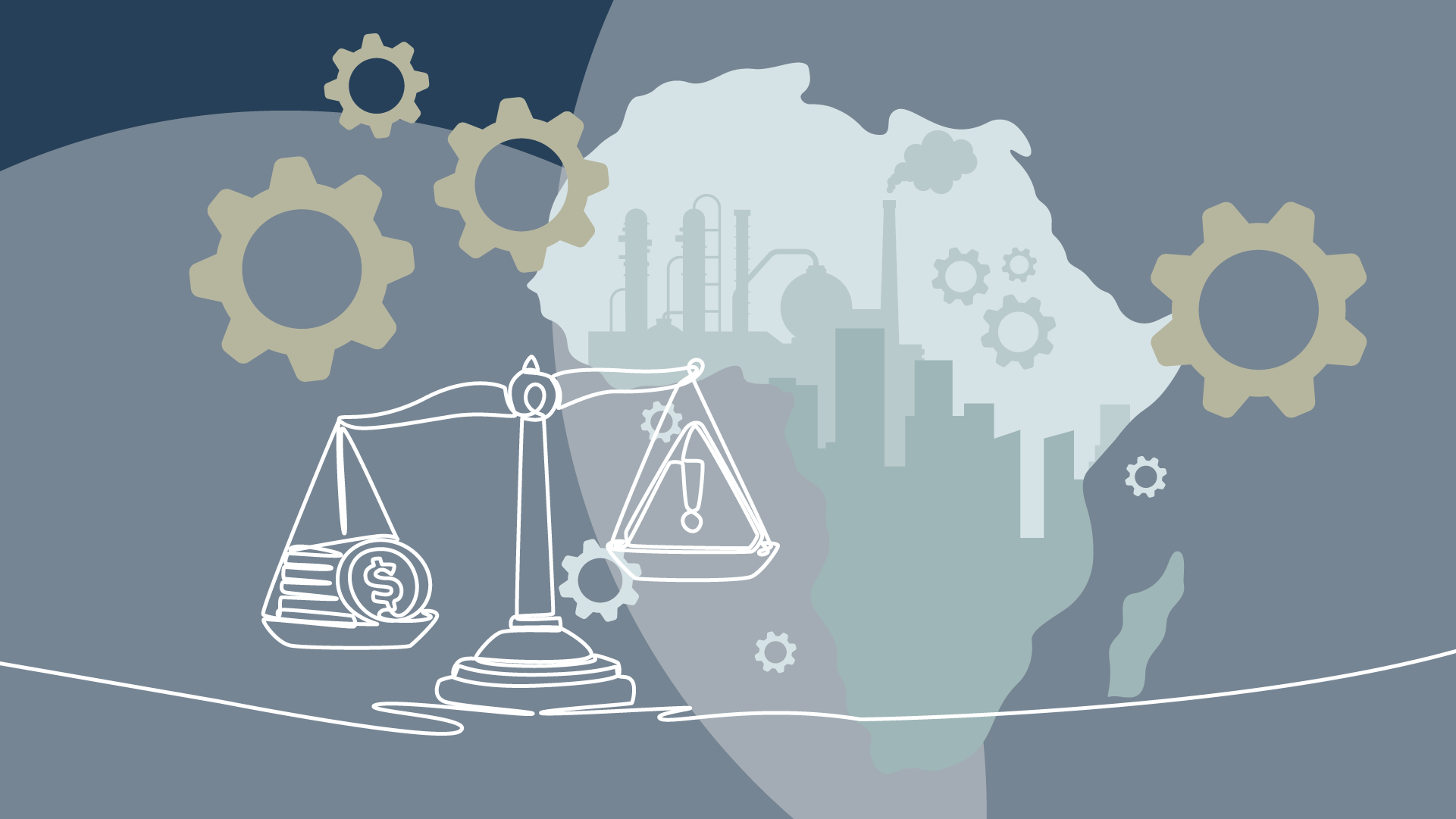
Traoré’s government has pursued radical economic and political reforms to assert Burkina Faso’s autonomy. Taking an anti-imperialist stance, Burkina Faso has expelled French troops, severed ties with France, and partnered with Russia. The government has also embarked on nationalisation of resources (nationalising gold mines and banning unrefined gold exports to Europe), creating a state-owned mining entity, and mandating foreign firms to transfer 15% ownership to Burkina Faso and train local workers. Driving a path of economic self-reliance, the country has launched a national gold refinery (processing 150 tonnes annually) and rejected IMF/World Bank loans, framing this as a rejection of Western economic coercion.
The jury is still out on Traoré’s record on gender issues. He has embarked on grassroots initiatives such as the support for Zongo village women with irrigation projects and the appointment of a female chief of staff, signalling inclusion. But structural gaps remain. There are no major policy shifts to address systemic gender inequality, early marriage, or access to healthcare. Feminist critics note that symbolic acts lack Sankara’s transformative edge.
While his government acknowledges women’s role in development, sustained investment in education, healthcare and political representation remains elusive.
Traoré’s defiance of Western influence and resource nationalism has galvanised many Africans weary of neo-colonial dynamics. His model’s sustainability hinges on addressing internal challenges: diversifying alliances beyond Russia, investing in social equity, and moving beyond symbolic feminism.
For more on Burkina Faso and Ibrahim Traoré:
Burkina Faso President in Russia: ‘Africa’s Breakout Moment’
This piece was written for the July 2025 edition of Postscripts, Shamillah Wilson’s monthly round-up of what’s been happening in feminist circles, her work, and some recommended reading suggestions.