Western Sahara remains a deeply contested territory, marking half a century of illegal occupation by Morocco amid worsening diplomatic and military tensions. The Sahrawi people continue to resist colonial domination, while Western states increasingly facilitate Morocco’s exploitation of the region’s rich resources through diplomatic backing and military support. At the heart of this resistance, and bearing a unique burden of the occupation’s brutality, are Sahrawi women, who face systematic, gendered repression designed to crush the spirit of their nation.
Half a century of occupation and armed resistance
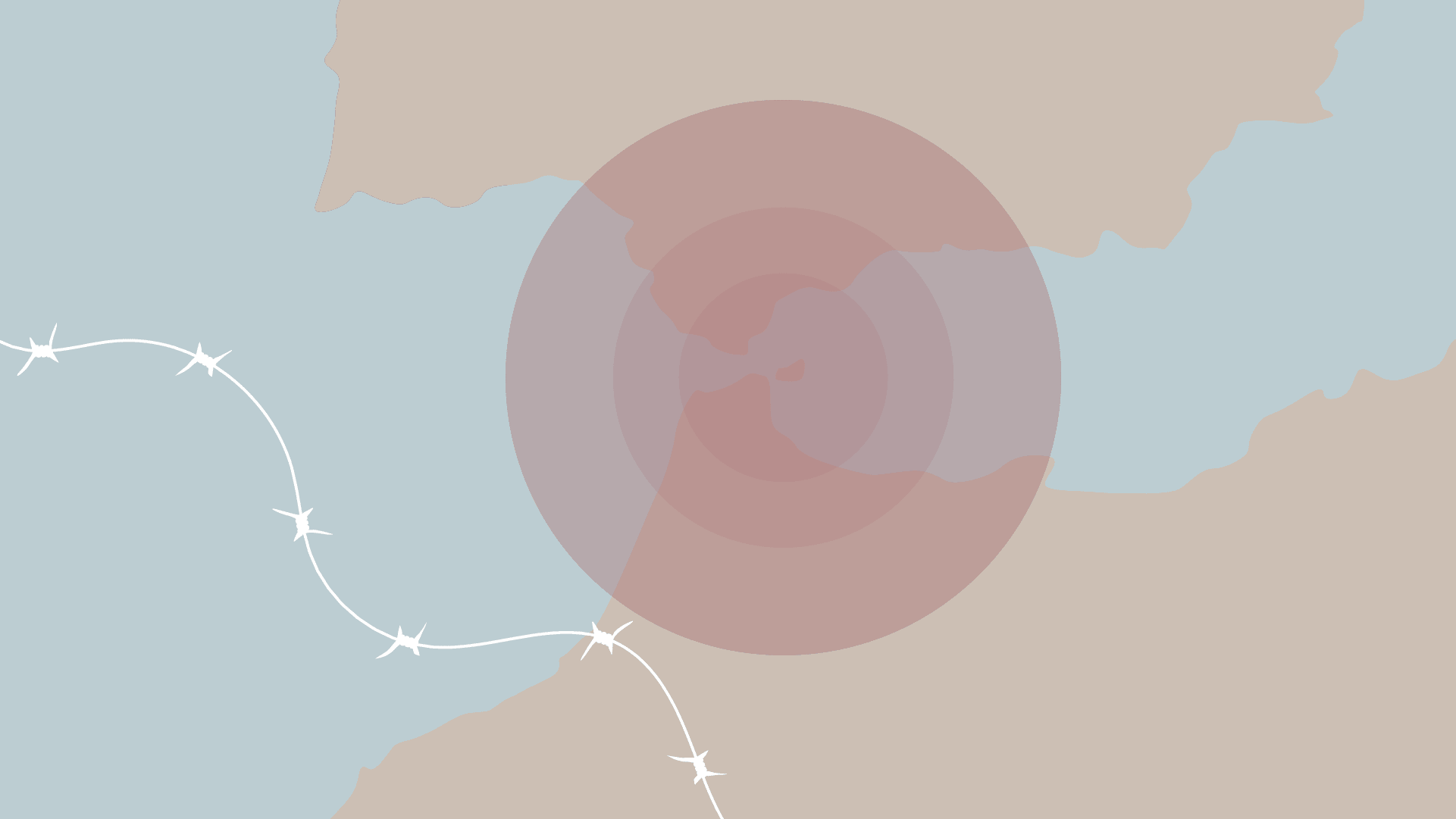
On 6 November 2025, Sahrawis observed a grim milestone: 50 years of Moroccan occupation. Throughout this period, they have endured widespread repression, including violence, arbitrary arrests, torture, and systematic human rights abuses by Moroccan forces. In response, the Sahrawi People’s Liberation Army (SPLA) – the military wing of the Polisario Front, the sole UN-recognised representative of the Sahrawi people – has escalated its campaign. Launching attacks from the liberated eastern zones, it has inflicted substantial losses on Moroccan troops stationed west of a heavily fortified berm. This 2,700-kilometre barrier, one of the largest military fortifications in the world, was constructed with the involvement of US defence giants Northrop and Westinghouse.
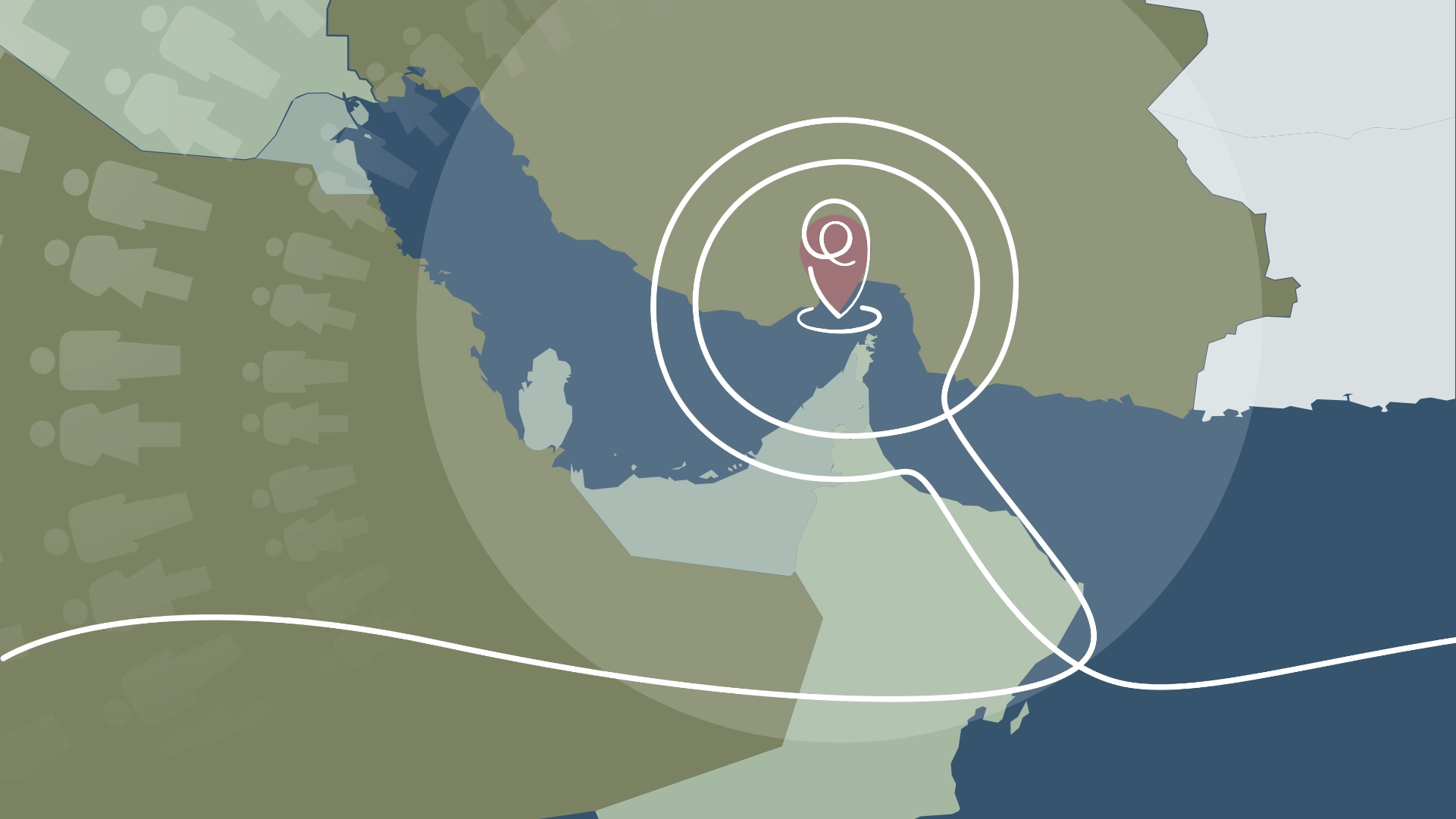
Morocco controls roughly 80% of Western Sahara, including the phosphate-rich interior and the fishery-abundant Atlantic coastline. Yet, despite its tight military grip, the enduring armed resistance affirms that the dispute over Western Sahara’s sovereignty is very much alive.
The gendered brutality of occupation
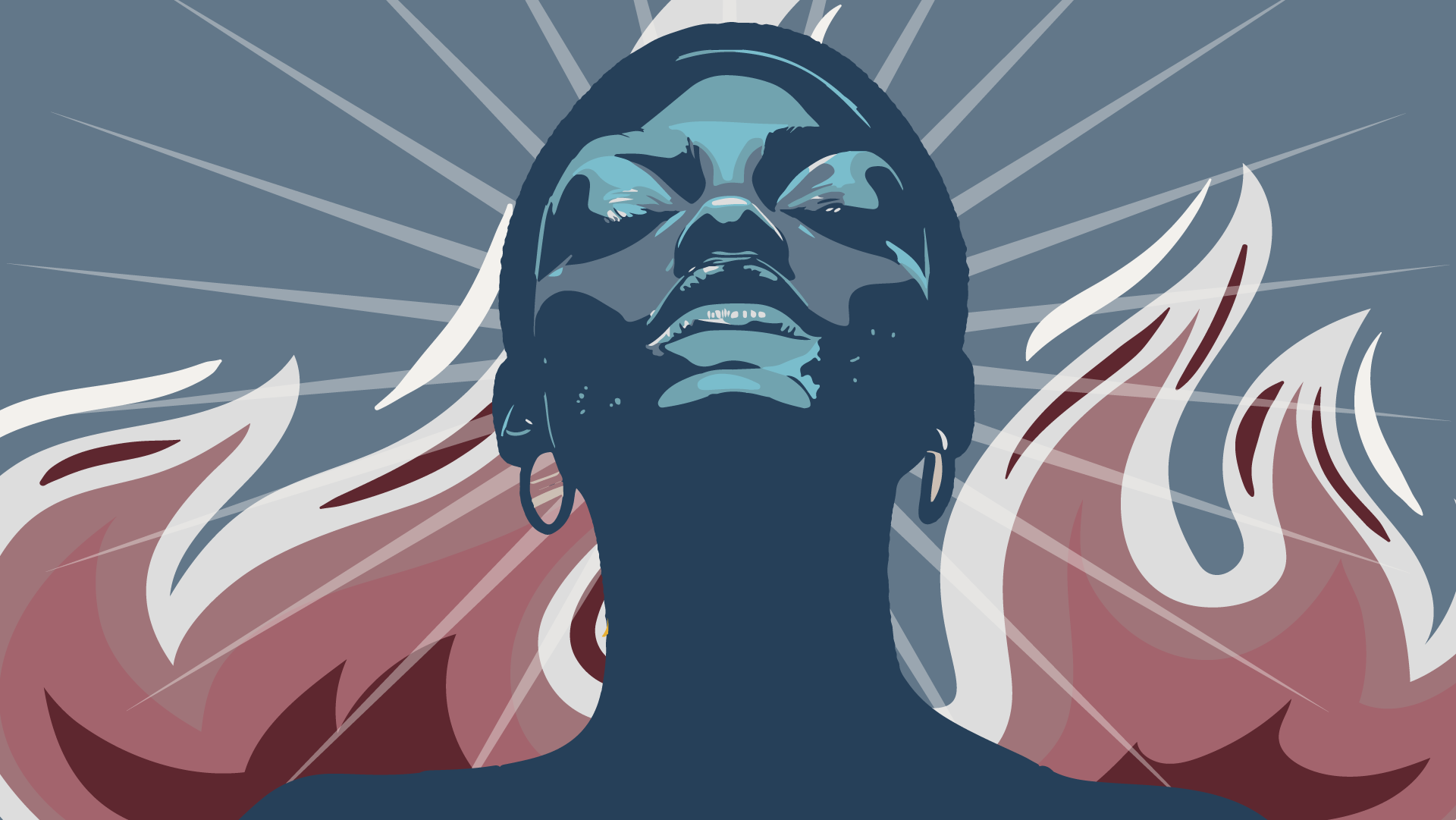
The occupation has unleashed a severe and disproportionate assault on Sahrawi women, who are strategically targeted for their central role in community leadership and resistance. As documented in detailed reports by organisations like the Nomad Human Rights Centre, Amnesty International, and the Collective of Sahrawi Human Rights Defenders (CODESA), women have endured forced displacement, arbitrary arrests, torture, and sexual violence as part of a coordinated strategy to suppress the Sahrawi people.
Moroccan authorities employ a chilling pattern of reprisals – known as the “wheel of reprisals” – to silence women. This involves coordinated tactics that exploit social and cultural norms, including public defamation, threats of sexual violence, and relentless harassment from Moroccan settlers who often act as informants. The repression is institutionalised: human rights reports document cases of women being detained, blindfolded, and subjected to physical and psychological torture, including sexual violence, during interrogation.
Economically, Sahrawi women are deliberately marginalised. Morocco imposes blockades, controls business opportunities, and uses economic coercion to destabilise families – even pressuring women to divorce Polisario members in exchange for employment. This calculated strangulation deepens social vulnerability and trauma, with no safe spaces, women’s resource centres, or mental health services available in the occupied territory.
Despite this brutal repression, Sahrawi women continue to lead the struggle, exposing the misogyny and racism underpinning the occupation through courageous activism and reporting, often at great personal risk.
The West’s diplomatic capitulation
Western complicity in Morocco’s occupation has grown increasingly explicit. A decisive turning point came with the UN Security Council resolution of 31 October 2025, which renewed the mandate of the United Nations Mission for the Referendum in Western Sahara (MINURSO). In a fundamental betrayal of its original purpose, the resolution abandoned the commitment to a referendum for Sahrawi self-determination. Instead, it endorsed negotiations based solely on Morocco’s ‘Autonomy Proposal’ – a plan that grants sovereignty to Rabat and negates the Sahrawi right to full self-determination.
The resolution was principally drafted by the United States, which hailed the vote as ‘historic’ and framed Morocco’s autonomy plan as the ‘only basis for a just and lasting solution’. The United Kingdom and France fervently echoed this stance. Morocco’s King Mohammed VI celebrated the vote as a decisive milestone, thanking his Western allies and proclaiming a new chapter in Morocco’s history.
International law’s consistent rejection
Morocco’s claim to Western Sahara is consistently repudiated by international law. The International Court of Justice ruled in 1975 that Morocco had no ties of sovereignty over the territory. Subsequent rulings by the Court of Justice of the European Union and the UK High Court have repeatedly invalidated trade agreements involving Western Sahara’s natural resources, affirming its status as a non-self-governing territory.
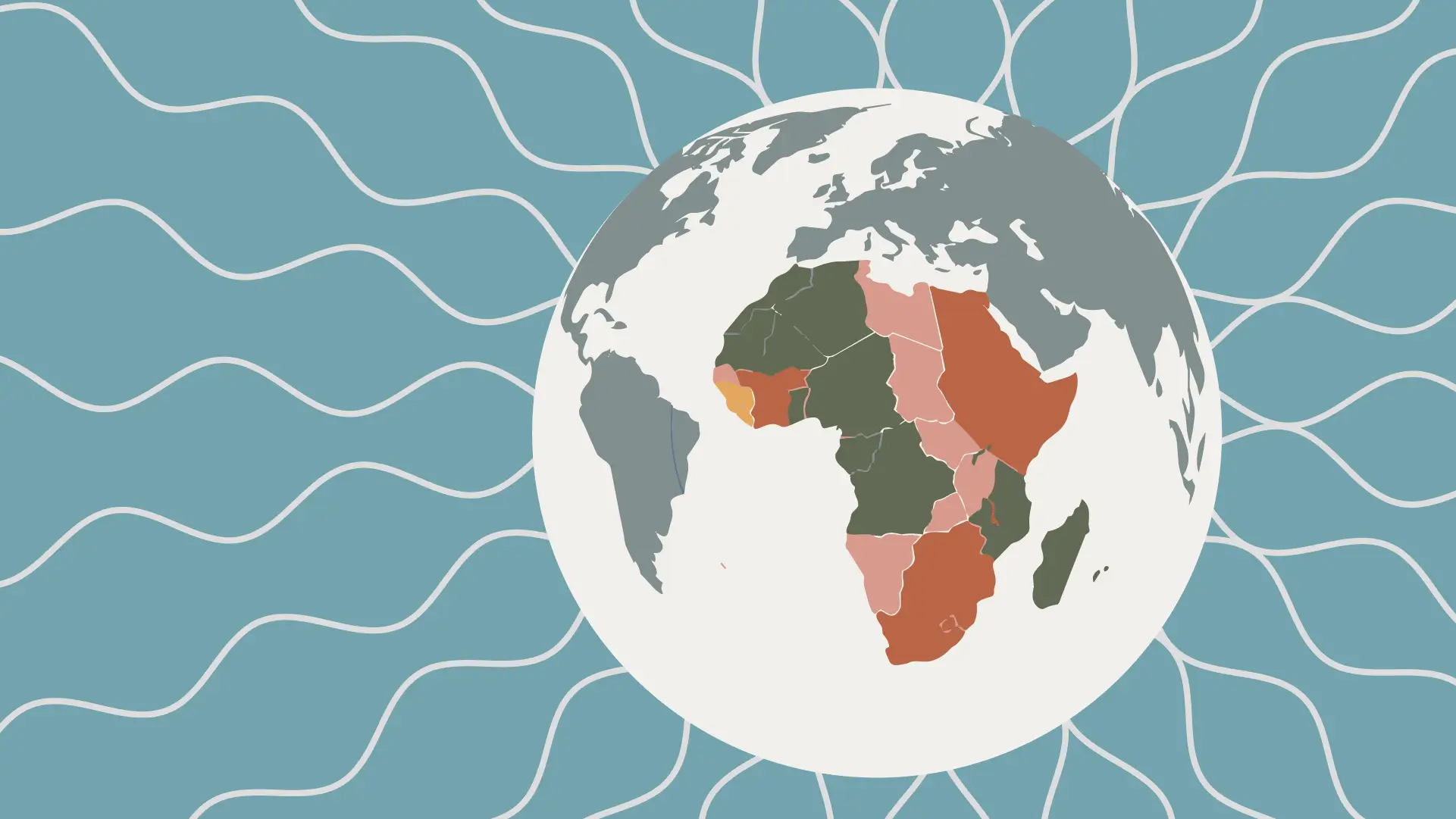
The Sahrawi Arab Democratic Republic (SADR) is recognised as a full member state by the African Union, which regards Western Sahara as an occupied territory pending decolonisation. Morocco’s admission to the African Union in 2017 did nothing to alter this legal status, and the United Nations continues to list Western Sahara among non-self-governing territories.
Plunder and complicity: The resource war
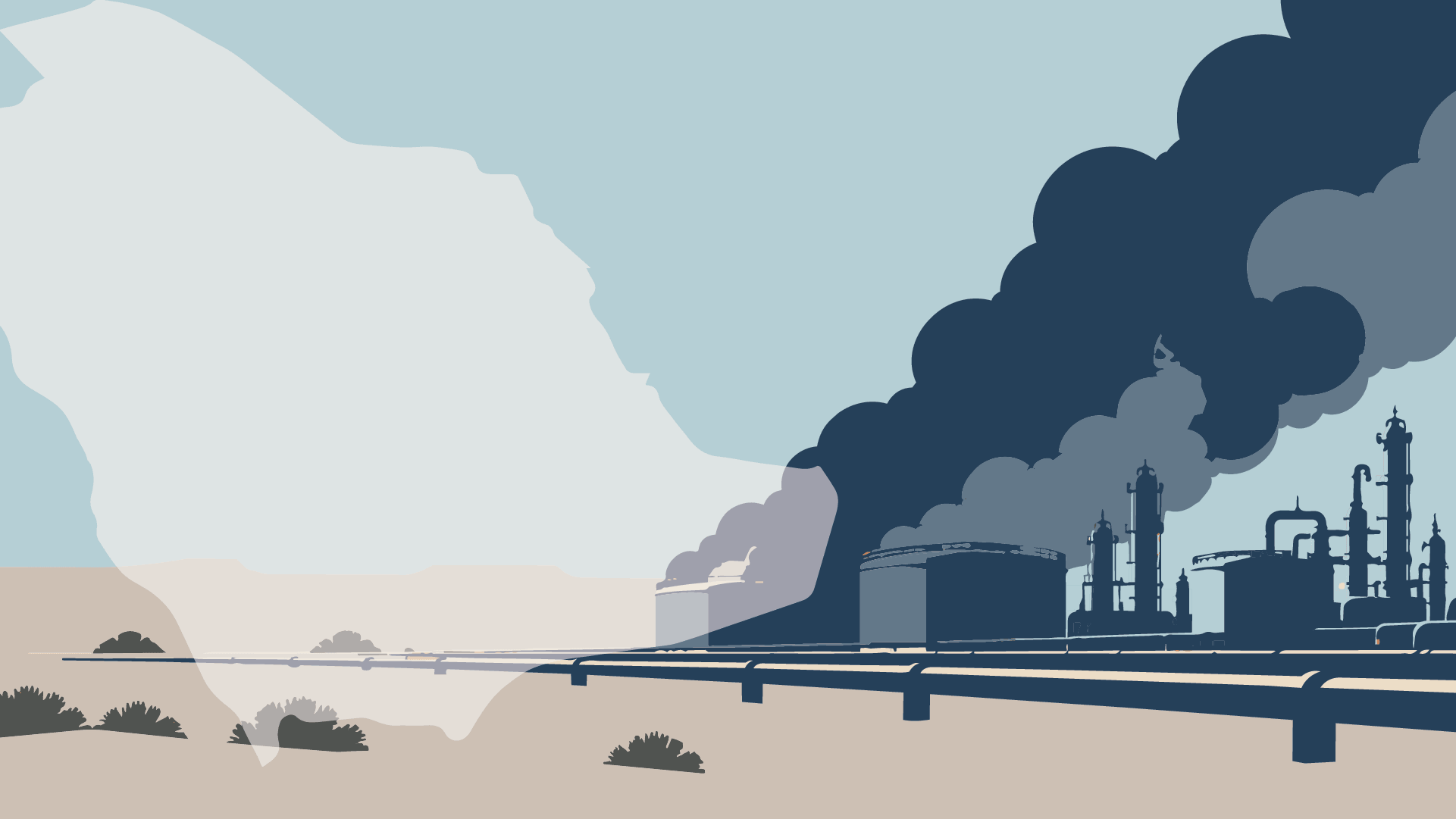
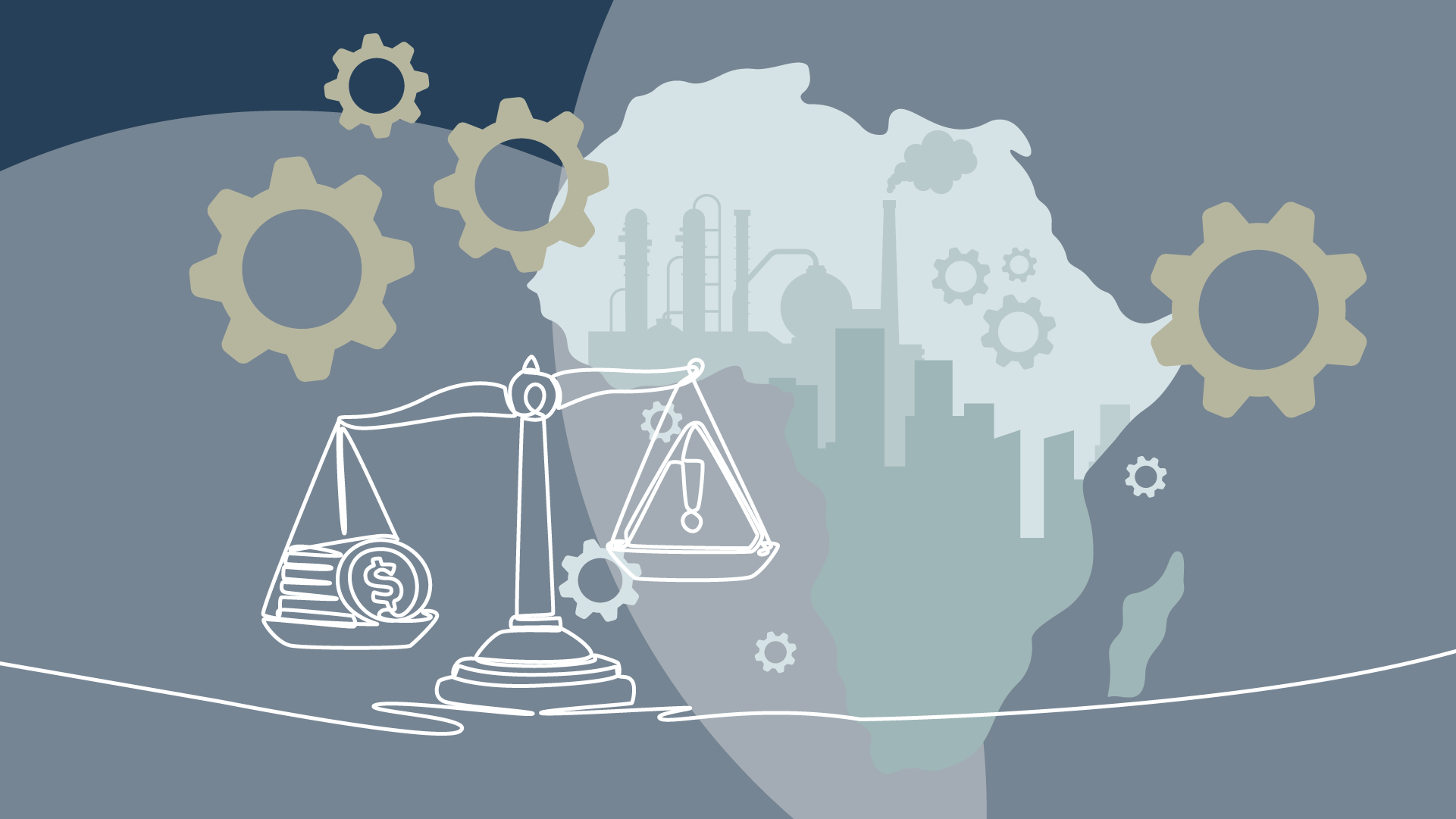
Western governments and corporations are deeply complicit in Morocco’s ongoing exploitation of Western Sahara’s wealth. Military support, diplomatic cover, and economic investment facilitate what Sahrawi human rights groups condemn as neo-colonial plunder. This situation exposes a stark double standard – Western powers are violating the very international laws they created to protect Indigenous sovereignty and rights.
A litmus test for global justice
The conflict in Western Sahara represents a critical challenge to the credibility of the United Nations and the entire international legal order. The refusal of powerful Western nations to uphold Sahrawi self-determination reveals profound geopolitical hypocrisy, pursued at the expense of an Indigenous people’s freedom. The systematic targeting of Sahrawi women underscores the occupation’s deeply gendered brutality.
Despite immense diplomatic pressure, five decades of occupation, and a relentless campaign of repression, the Sahrawi people – with women at the forefront – remain steadfast in their struggle for independence and justice. The international community’s choices regarding Western Sahara will have profound implications for the future of decolonisation, human rights, and the very principle of self-determination worldwide.
This piece was written for the November 2025 edition of Postscripts, Shamillah Wilson’s monthly round-up of what’s been happening in feminist circles, her work, and some recommended reading suggestions.